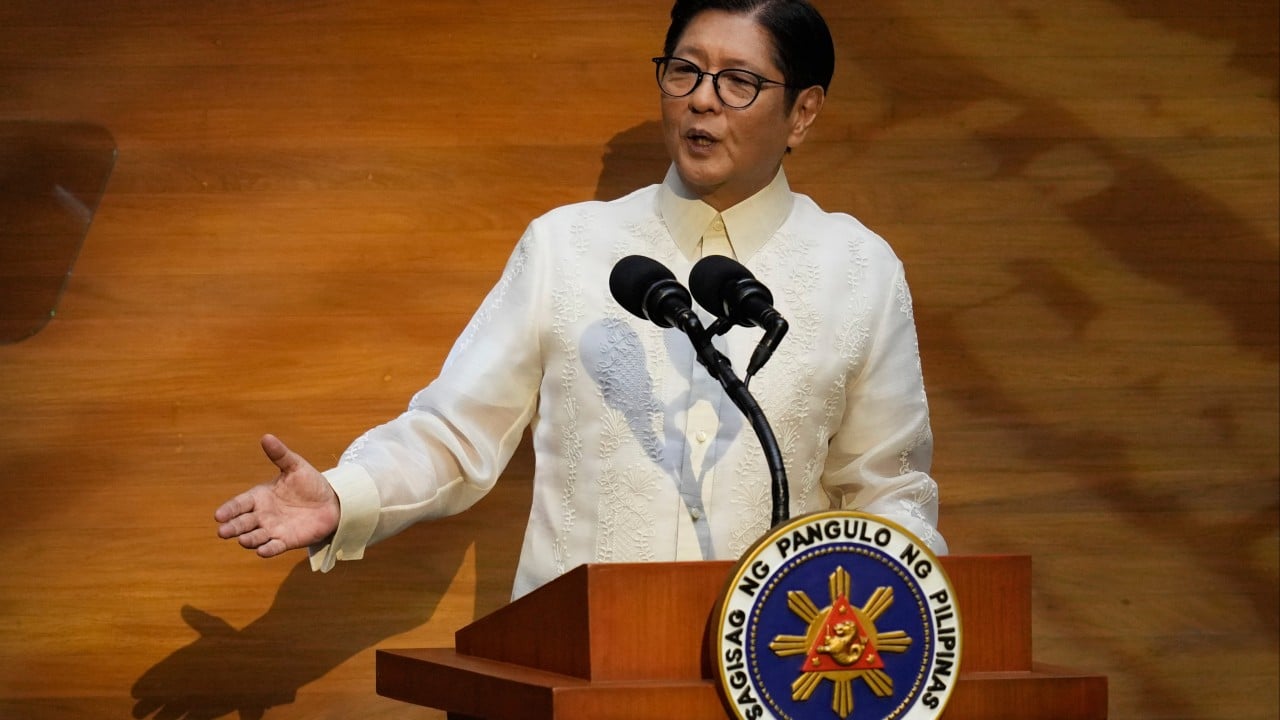
President Ferdinand Marcos Jr. stepped before Congress to deliver a sweeping address filled with promises of fiscal rescue, yet the hard data tells a different story. When a government pledges billions in public assistance, expanded tax exemptions for earners making up to 350,000 pesos annually, and sweeping relief packages for sectors bruised by regional conflicts and inflation, basic fiscal reality demands an accounting of where the money originates. That accounting remains entirely missing.
Behind the soaring rhetoric of financial salvation lies a silent structural deficit. Analysts tracking public expenditures note that funding these broad initiatives requires either severe reallocation or new revenue streams that have not been legislated. Grand announcements play well in a plenary hall, but execution requires dry powder. When that powder is missing, populist decrees morph into unfunded mandates that strain local government units and deepen national debt. You might also find this connected story useful: The Architecture of Convenience: How Lindsey Graham Engineered His Own Political Survival.
Consider the mechanics of how these multi-billion-peso relief packages are deployed. Local government units are routinely expected to absorb the front-line costs of distributing aid during external shocks, such as the fallout from Middle East supply chain disruptions affecting overseas workers. Yet national transfers often arrive late, or they come with bureaucratic strings attached that paralyze local treasuries.
A hypothetical municipality tasked with handing out emergency fuel subsidies or livelihood grants finds itself fronting the cash from its internal revenue allotment, only to wait months for national reimbursement. Multiply this friction by over a thousand municipalities, and the administrative machinery begins to buckle under its own weight. As highlighted in detailed reports by Al Jazeera, the implications are worth noting.
Furthermore, the administration points to savings supposedly clawed back from its campaign against irregular flood control projects as a primary engine for funding social services. This assumes that funds lost to systemic corruption can be easily recovered and cleanly redirected into recurring operational budgets. In practice, recovering stolen public capital through litigation takes years, often outlasting an entire presidential term. Relying on intercepted graft money to balance a balance sheet is an exercise in wishful thinking rather than sound economic stewardship.
Tax relief measures compound this precarious balancing act. Expanding income tax exemptions and waiving corporate minimums for small enterprises shrinks the tax base precisely when government expenditure needs to expand. To offset these lost revenues without triggering a credit downgrade, state planners must either squeeze compliant taxpayers harder through indirect consumption levies or borrow heavily on international markets. Neither option provides genuine relief to the working class.
The political calculus behind these addresses relies on short public memory. Grand gestures mask the absence of structural tax reform that targets wealth accumulation rather than wage earners. True financial protection requires a complete overhaul of how public revenue is collected and distributed, moving away from reactive dole-outs funded by debt. Until the administration presents a transparent balance sheet that bridges the gap between populist promises and actual treasury reserves, these national addresses will remain exercises in theatrical economics.