The island paradise of Mauritius discovered a brutal truth beneath its resort-catalog veneer: stability in the Indian Ocean is only as secure as the water in its reservoirs and the restraint of its police.
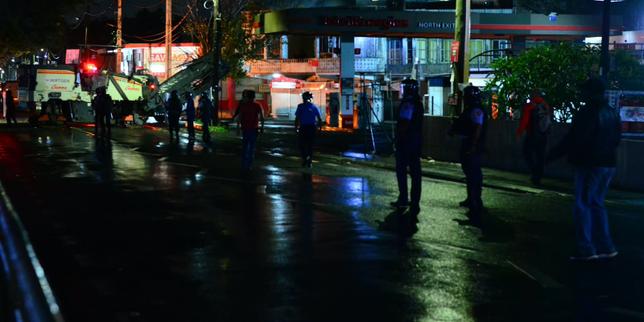
When a 27-year-old woman named Élodie Thomas was shot by a police officer at a roadblock in Camp Levieux, the state machinery did not merely face a criminal investigation; it triggered the worst civil unrest the nation had witnessed since 1999. Burning tires blocked major arterial roads, commercial hubs like Beau-Bassin faced localized vandalism, and Prime Minister Navin Ramgoolam was forced to impose an unprecedented overnight curfew. Also making headlines lately: What Happens When Cheap Drones Shake the Heart of World Energy.
To understand how a tropical tourist haven descended into tear gas and state curfews, one must look past the isolated tragedy of a single checkpoint shooting. The bullet was merely the spark that landed in a dry powder keg of systemic resource depletion and economic desperation.
The Dry Reservoirs and the Cost of Survival
Weeks before the first barricade went up in Vacoas-Phoenix, the island was already quietly panicking over its plumbing. Reservoirs that sustain daily life and agriculture had shrunken dramatically. By early October, national storage levels hovered near critical lows, with primary catchments like Mare aux Vacoas plunging well below historical averages. More insights into this topic are detailed by The Guardian.
For households already battered by compounding global inflation and soaring prices for basic household commodities, dry taps were not an inconvenience; they were an existential insult. When municipal water distribution fails, citizens must purchase private tankers or queue for hours. The financial strain hollows out working-class families in constituencies like Constituency No. 15, turning domestic routines into daily endurance tests.
When the State Encounters Its Citizens
Public anger over infrastructure failures naturally spilled into the streets. Citizens began organizing impromptu road blockages to demand accountability from utility boards and regional administrators. Protests of this nature require a measured, delicate operational posture from law enforcement.
Instead, the encounter at the Camp Levieux checkpoint turned lethal. The subsequent detention of the officer involved and the suspension of auxiliary personnel for failing to render adequate assistance exposed deep operational vulnerabilities within the security apparatus. When the protectors of public order become the primary vector of public grievance, institutional trust evaporates overnight.
The Heavy Hand of Administrative Control
Faced with escalating nocturnal clashes, the government deployed emergency containment protocols not seen in a generation. The curfew, stretching from evening hours until dawn, emptied the streets of Port Louis and its surrounding suburbs. Schools were temporarily shuttered, public transit links were severed, and foreign embassies issued immediate security alerts advising travelers to exercise extreme caution.
Simultaneously, the administration threatened severe judicial consequences, invoking strict legal measures—including potential considerations under counter-terrorism frameworks—to deter further rioting. While these rapid interventions cleared the thoroughfares and allowed commerce to stutter back to life, they papered over a much deeper administrative fracture.
Ordnances and curfews can clear a street, but they cannot refill a reservoir or restore faith in a compromised badge. As long as structural resource deficits persist alongside widening economic inequality, the illusion of total domestic tranquility remains fragile, waiting for the next dry tap to break the surface.


