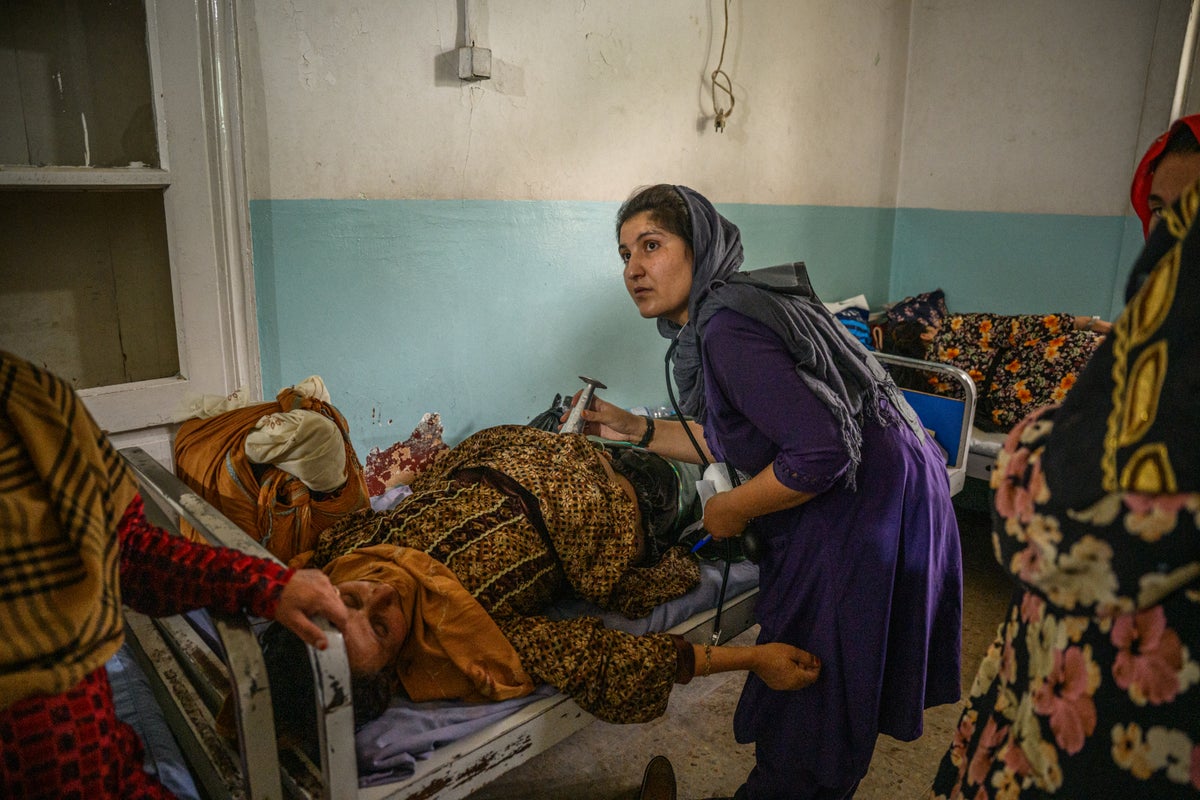
Foreign aid budget cuts are directly restricting access to life-saving maternal health medications in developing nations, driving up the cost of essential tablets like misoprostol and oxytocin that prevent maternal mortality and stillbirths. When wealthy donor nations slash their international development budgets, the fallout is rarely felt in bureaucratic offices. It is felt on the concrete floors of underfunded clinics. Supply chains do not just shrink when funding dries up. They shatter entirely.
For years, international procurement networks relied on steady, predictable subsidization to keep the cost of maternal health commodities near zero for local clinics. Without this financial cushion, the procurement system reverts to a harsh market reality where low-volume, high-risk buyers pay a premium. The result is a quiet crisis where preventable complications become death sentences.
The Broken Machinery of Global Procurement
To understand why a reduction in aid funding causes a sudden spike in the price of a generic tablet, one must look at the mechanics of international pharmaceutical bulk-buying. Global health organizations do not just buy medicine. They guarantee markets.
When a major donor nation pulls its funding, the collective bargaining power of these procurement agencies evaporates. Manufacturers operate on razor-thin margins for generic medications. They require massive, multi-year commitments to keep production lines running. When a major financial backer pulls out, those commitments vanish overnight.
Factories reduce their output. Unit costs skyrocket. The local distributor in a low-income country suddenly faces a choice between paying triple the price for a shipment of misoprostol or going without. Most go without.
The shortage is not a matter of scarcity in raw materials. It is a failure of financial architecture. The tablets exist, sitting in climate-controlled warehouses in manufacturing hubs, while the clinics that require them are forced to ration their remaining stock.
The Logistical Nightmare of Cold Chains
Oxytocin remains the gold standard for preventing postpartum hemorrhage, the leading cause of maternal death globally. Yet, its vulnerability is its temperature sensitivity. It requires a continuous cold chain from the factory floor to the patient’s bedside.
Maintaining a cold chain requires reliable electricity, specialized refrigeration, and constant monitoring. Aid funding frequently covers these exact operational costs rather than just the purchase price of the vials. When the funding disappears, the cold chain breaks down.
The Rise of Substandard Alternatives
When reliable, cold-chain-dependent medications become unavailable or too expensive, a dangerous secondary market fills the void.
- Unregulated distributors step in with cheap, improperly stored alternatives.
- Heat-damaged oxytocin, stripped of its potency, is administered to hemorrhaging patients with catastrophic results.
- Counterfeit tablets with zero active ingredients find their way into rural clinics desperate for inventory.
This creates a secondary crisis of clinical trust. When a doctor or midwife administers a medication and it fails to work because it was degraded by heat or poorly manufactured, they lose faith in the intervention itself. They are left to rely on outdated, less effective surgical procedures or manual interventions that carry a much higher risk of infection and trauma.
The Shift to Misoprostol and the Regulatory Hurdle
Misoprostol offers a partial solution because it is heat-stable and comes in tablet form. It does not require a refrigerator. This makes it ideal for remote, rural environments where electricity is a luxury. However, the regulatory hurdles surrounding the drug complicate its distribution.
Because misoprostol can also be used to induce abortions, many conservative donor regimes and recipient governments place heavy restrictions on its import and sale. Aid cuts amplify these political barriers. When funding earmarked specifically for maternal health is reduced, ministries of health rarely use their own limited budgets to defend or purchase a politically sensitive drug.
The financial shortfall forces a reliance on private sector pharmacies. In these commercial settings, the price of misoprostol tablets is subject to the whims of import tariffs, local inflation, and predatory markups. A course of treatment that costs cents to manufacture ends up priced far beyond the reach of a subsistence farmer or an urban laborer.
The Economic Mirage of Local Self Reliance
A common counter-argument from proponents of aid reduction is that funding cuts force developing nations to develop self-reliance and fund their own healthcare systems. This perspective ignores fiscal reality.
Many of the nations facing the steepest declines in health aid are simultaneously dealing with severe debt crises. They are spending more on servicing bilateral loans than on their entire public health infrastructure. A sudden withdrawal of foreign subsidization does not spark local investment. It sparks immediate rationing.
Global Aid Reduction -> Market Volume Collapses -> Unit Prices Rise -> Local Stockouts -> Increased Maternal Mortality
When a ministry of health faces a budget deficit, it prioritizes urban referral hospitals over rural clinics. The rural facilities, which handle the vast majority of births without specialized surgical backup, are the first to run out of basic tablets. The burden shifts entirely to the patient’s family, who must purchase the drugs from private shops and bring them to the hospital in the middle of labor.
The Hidden Multiplier of Maternal Mortality
The loss of a mother during childbirth destroys the economic stability of an entire household. Older children are frequently pulled from school to assume caretaking roles, perpetuating a cycle of poverty that lasts generations.
The survival of a newborn is inextricably linked to the survival of the mother. Statistical data across decades of public health research shows that when a mother dies in childbirth, the infant's chances of surviving to their first birthday drop precipitously. The lack of a simple, inexpensive tablet sets off a domino effect that destabilizes communities years after the budget cut was debated in a foreign parliament.
International policy discussions frequently treat aid as a charitable luxury that can be dialed up or down depending on domestic economic performance. This view ignores the integrated nature of global pharmaceutical supply chains. You cannot defund a procurement mechanism on Monday and expect the shelves in a provincial clinic to remain stocked on Friday.
The current trajectory points toward a fragmentation of the progress made over the last two decades in reducing maternal mortality. Wealthier nations balancing their domestic books by trimming international development portfolios are not saving money. They are shifting the cost onto the most vulnerable populations on earth, paid for not in currency, but in human lives. The international community possesses the manufacturing capability and the logistical knowledge to eliminate postpartum hemorrhage deaths entirely. The bottleneck is entirely financial, driven by political choices made thousands of miles away from the delivery rooms.