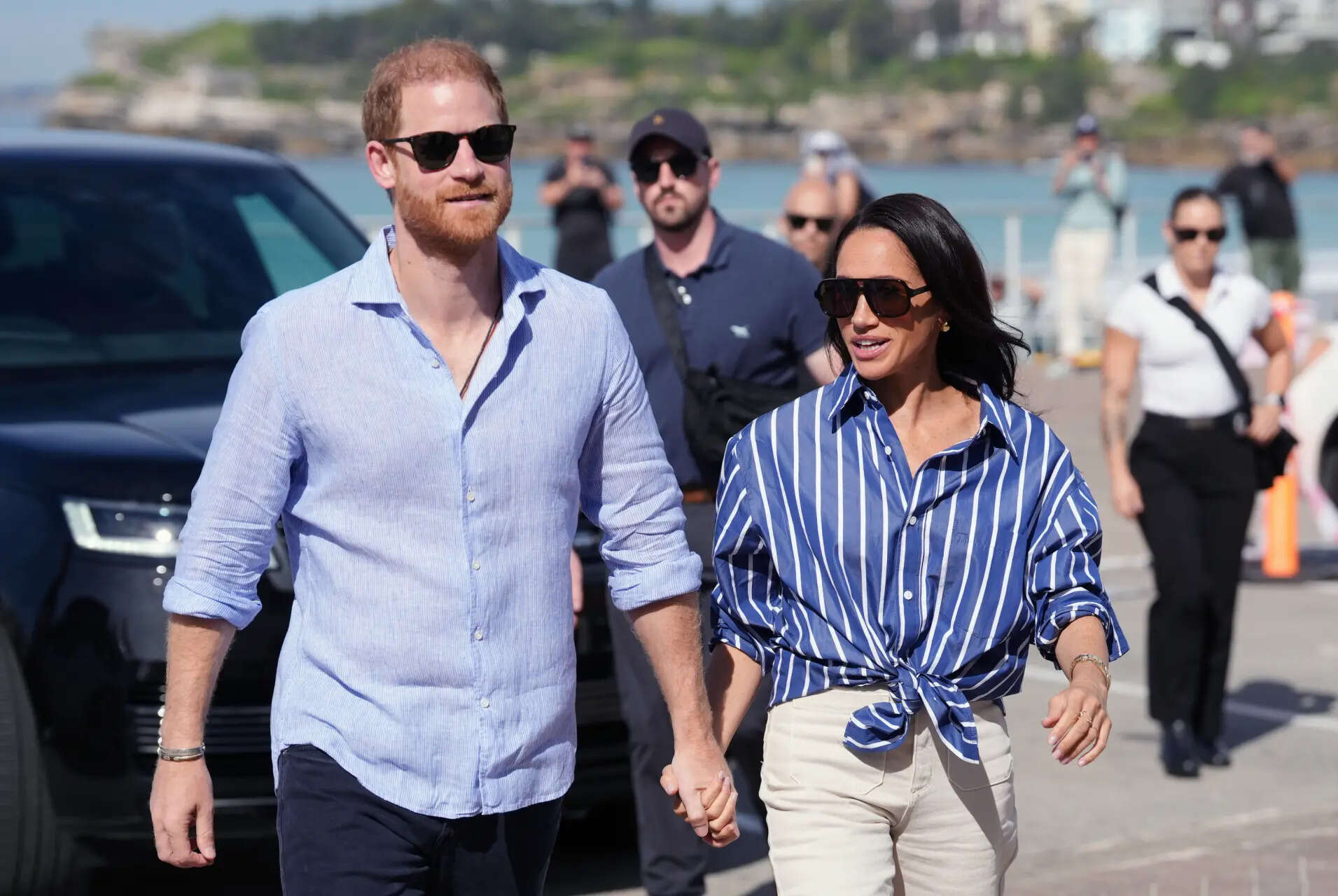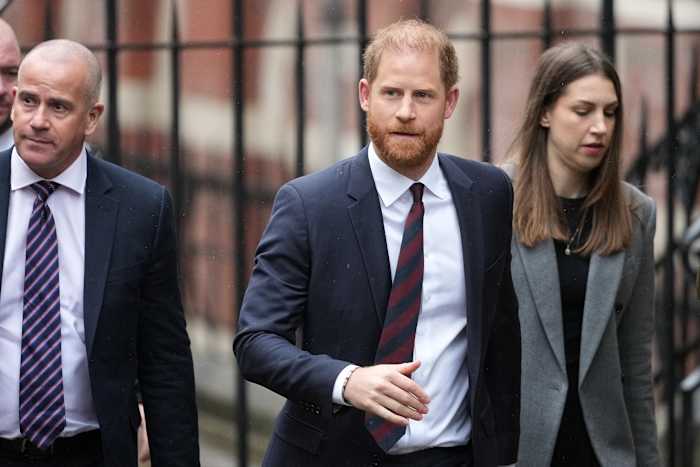
Prince Harry and a cohort of high-profile public figures, including Elton John and Doreen Lawrence, have been ordered to pay an initial 9.5 million pounds—roughly 13 million dollars—to Associated Newspapers by August 28. This staggering interim payment follows their failed attempt to prove that the publisher of the Daily Mail engaged in widespread unlawful information gathering, such as phone hacking. Justice Matthew Nicklin’s ruling is not merely a procedural step in a litigation timeline; it represents a sharp reprimand of the legal strategy employed by the claimants.
The judicial assessment highlights a harsh truth regarding the mechanics of British civil litigation. When high-stakes allegations are brought before the High Court, the burden of proof rests squarely on the claimant to provide more than speculation. In this instance, Justice Nicklin found the case wanting, describing the nature of the claims as speculative and the conduct of the legal teams as unreasonable to a high degree. By ordering an indemnity basis for the costs, the judge has signaled that the financial consequences for the claimants will be far more severe than in standard cases, as Associated Newspapers is not restricted to recovering only what might be deemed reasonable or proportionate under typical rules. You might also find this connected article interesting: Why the Harry and Meghan American Dream Narrative is Complete Fiction.
The sheer scale of the legal bills involved exposes the immense risks inherent in modern privacy litigation. Associated Newspapers reported costs exceeding 34 million pounds throughout the duration of the trial. While the claimants reportedly held insurance policies to cover a portion of their potential liabilities, that coverage appears to be significantly lower than the total exposure they now face. The gap between the insured amount and the total legal spend leaves the claimants facing a potential additional liability of 25 million pounds.
Legal observers note that the failure to win even one of the 97 individual claims serves as a stinging indictment of the evidentiary foundation upon which the case was built. This outcome demonstrates the difficulty of challenging established media outlets when the supporting documentation is perceived as inferential rather than concrete. The court’s rejection of the claims suggests that the divide between the perception of illicit activity and the legal standard required to prove it remains cavernous. As discussed in detailed coverage by Associated Press, the implications are notable.
Strategic errors in litigation can escalate costs with frightening speed. In a hypothetical scenario, if a legal team continues to pursue serious allegations that cannot be substantiated by evidence, the court may eventually view this persistence as an abuse of process or unreasonable conduct. This triggers a shift from standard cost recovery to an indemnity basis, essentially removing the safety net that usually protects the losing party from the most exorbitant portions of the winner's legal bill. The claimants in this matter find themselves in that exact position.
The financial fallout is magnified by the fact that the claimants include individuals with substantial private resources, yet even for them, the cumulative cost is unprecedented. The judge acknowledged that the publisher's legal bill was striking and exceptionally high, yet he refused to impose a cap on what the claimants might owe. This creates a difficult position where the eventual final bill will be determined by specialized costs judges who will scrutinize every hour of legal work performed.
Beyond the courtroom, this ruling ripples through the ongoing narrative of Prince Harry’s relationship with the British press. Having previously secured a win against Mirror Group Newspapers, this recent, high-profile defeat against Associated Newspapers serves as a reminder that every litigation campaign carries the risk of significant financial and reputational erosion. The court’s decision to mandate payment by late August forces an immediate reckoning with the reality of these losses.
The path forward remains fraught with difficulty. The claimants have until October 2 to file for an appeal, a move that would prolong the legal proceedings and likely add millions more to the already substantial legal costs. If the parties cannot reach a settlement regarding the final recovery amount, the process will transition into a battle of accounting, with costs judges tasked with dissecting the trial’s expenses line by line.
This moment marks a definitive shift in the landscape of media-related privacy lawsuits. The willingness of courts to order heavy interim payments and apply indemnity cost rules serves as a cautionary tale for those who seek to use the judiciary as a primary venue for settling grievances with the press. The cost of failure has proven to be exorbitant. Whether this results in a cooling effect on future privacy litigation or a reassessment of how such cases are constructed remains to be seen. The invoice has arrived, and for the seven claimants, it is a sum that underlines the unforgiving nature of the High Court.