The 2026 fire season is not a freak accident. It is a fundamental realignment of our planetary geography. Across Canada, the Mediterranean, and the Himalayan foothills, flames are rewriting the map. We are no longer observing seasonal fluctuations; we are witnessing the systemic collapse of fire management systems built for a climate that vanished decades ago. While official reports scramble to calculate the hundreds of billions in damages, the real story lies in the failure of our basic assumptions about the relationship between forests, communities, and the atmosphere.
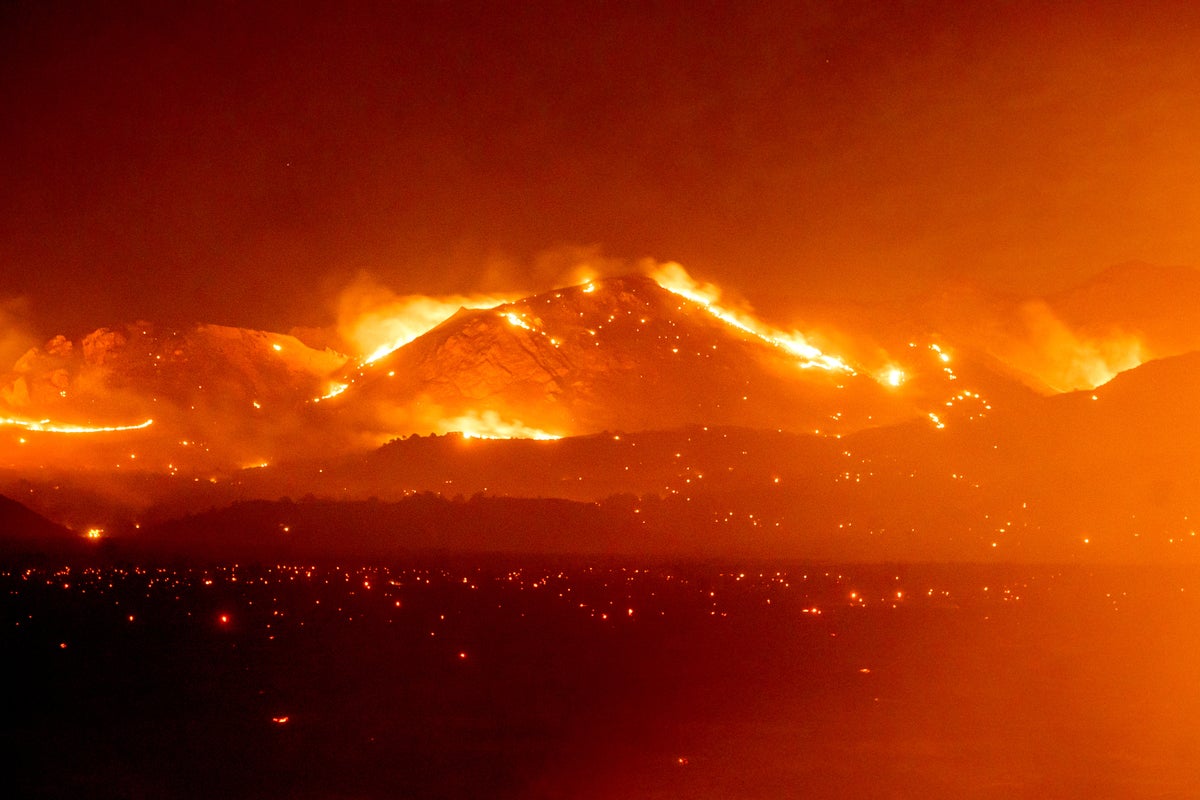
The core issue is a feedback loop that has accelerated beyond our ability to suppress it. As temperatures climb and droughts persist, forests that once acted as carbon sinks are transforming into massive, mobile carbon sources. When these boreal zones burn, they release gigatons of stored carbon, which further warms the atmosphere, priming the remaining landscape for even more ignition. It is a self-fueling machine. This year, El Niño acted as a global accelerant, pushing sea surface temperatures to anomalies that turned heat waves into permanent features of the landscape.
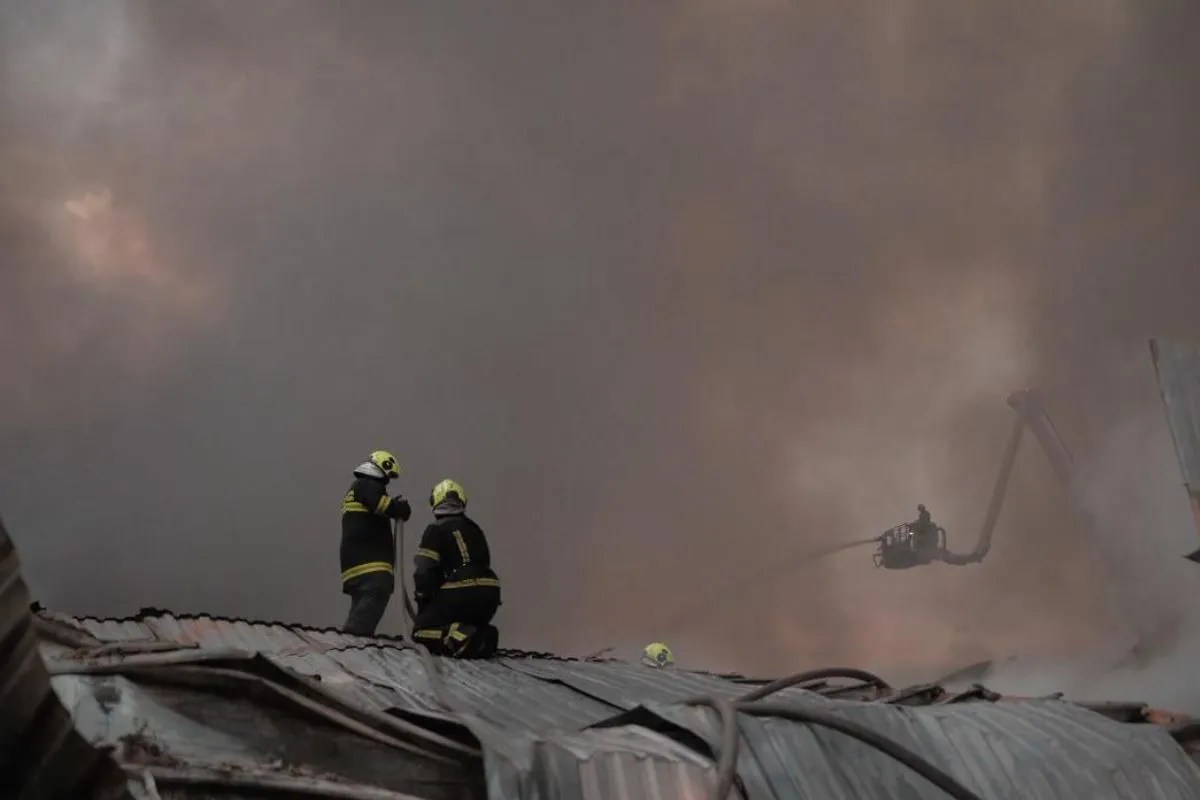
Why are traditional suppression tactics failing? In the past, fire analysts relied on direct attack methods and containment lines. Today, those tactics are largely obsolete. When flame lengths exceed fifty meters and spread rates shatter previous speed records, a bulldozer and a hose are essentially toothless. We are now seeing pyrocumulonimbus clouds that generate their own localized lightning and wind, effectively birthing new fires ahead of the main front. This is not just a bigger fire; it is a different entity entirely.
The Myth of Modern Suppression
We have spent decades operating under the dangerous assumption that we can control fire. This arrogance is baked into our policy frameworks. For generations, fire exclusion policies—the total suppression of every flame—have allowed hazardous fuels to accumulate in landscapes that evolved to burn. We have treated the forest like a museum exhibit, frozen in time, rather than a dynamic biological system. When we prevent small, manageable burns, we guarantee that the eventual fire will be an uncontrollable catastrophe.
The urban expansion into these high-risk areas has compounded the danger. Millions of homes now sit in the "ember zone," a term that barely begins to capture the lethal reality of flying brands that can ignite a roof three miles from the main fire front. Most modern construction in these wildland-urban interfaces is woefully inadequate. We continue to build with combustible materials, using ventilation systems that act as intake valves for airborne embers. Building codes that ignore these vulnerabilities are essentially blueprints for future disaster.
Consider the hypothetical example of a new suburban development near a dense forest tract. Without ember-resistant vents, non-combustible siding, and a cleared defensible space of at least thirty meters, that entire neighborhood is a single match away from total loss. It is a structural design failure, not a misfortune of nature.
The Economic Calculus of Loss
The financial impact is often reported as direct damage to homes and infrastructure, but that figure is a fraction of the total toll. When we look at the hundreds of billions lost in 2026, we must account for the secondary and tertiary ripples. Respiratory illnesses are spiking, straining healthcare systems that are already operating at capacity. Agricultural output is plummeting due to soil sterilization and the loss of critical pollinators. Supply chains are snapping as smoke obscures shipping routes and power lines are severed.
Insurance markets are beginning to react, though slowly. They are realizing that the old models of risk assessment—based on historical averages that no longer apply—are fundamentally broken. If the risk is increasing by double-digit percentages annually, the current pricing models cannot hold. We are approaching a point where insurance will be either prohibitively expensive or simply unavailable for large swathes of the developed world. This will force a mass exodus from high-risk regions, whether the residents are ready or not.
A Different Path Forward
If suppression is no longer the solution, what remains? The transition must move away from fighting fire and toward managing for fire-adapted landscapes. This includes a massive, scaled-up return to cultural and prescribed burning. By reintroducing fire on our own terms during safer conditions, we can break up the fuel continuity that allows fires to grow into monsters.
The political will for such a shift is thin. It requires the courage to accept smoke in the air on a calm Tuesday so that we do not have a catastrophe on a windy Sunday. It requires rethinking how we live in the wildland-urban interface. It means accepting that some areas are simply too dangerous to inhabit and that utility infrastructure, like overhead power lines, must be buried or replaced with independent, fire-hardened microgrids.
Every year we delay these structural changes, the cost of inaction compounds. The fires of 2026 are a clear, urgent notification that our current paradigm is bankrupt. We can continue to watch the horizon, waiting for the smoke to clear, or we can begin the hard work of re-engineering our relationship with the landscape. There is no middle ground left. The era of total fire suppression is over. What replaces it will determine the viability of our communities for the next century. We have the data. We have the tools. We are currently missing only the resolve to change the way we live on a planet that has finally stopped waiting for us to catch up.