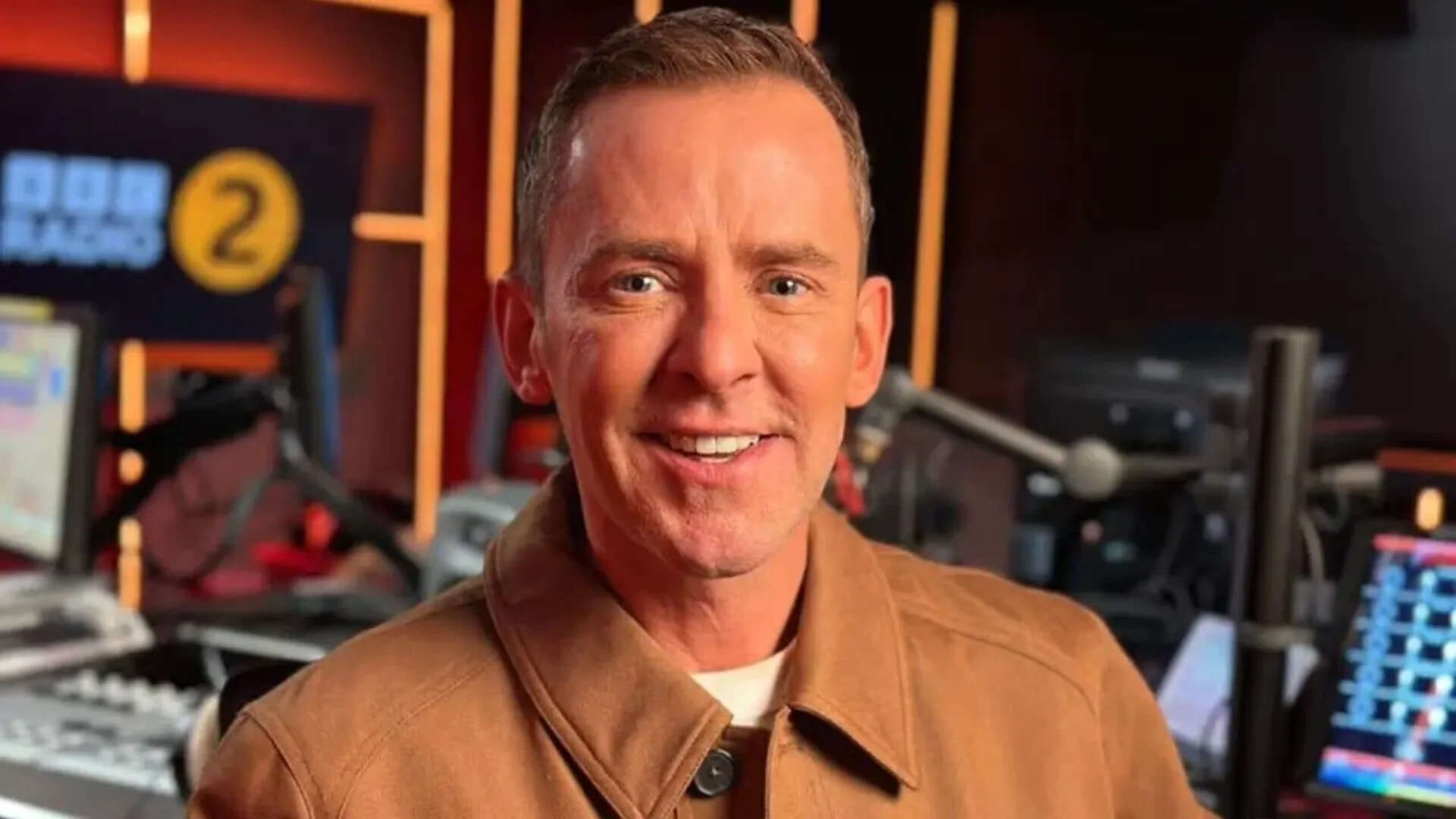
The British broadcasting industry has been rocked by the sudden departure of Scott Mills from his high-profile Radio 2 breakfast slot. While early reports suggested a clean break or a simple contract expiration, the truth behind the exit of one of the BBC’s most reliable workhorses involves a complex cocktail of shifting listener demographics, internal pressure for younger "digital-first" talent, and the brutal mathematics of the RAJAR ratings. Scott Mills did not just "leave" the BBC; he was caught in a strategic pivot that is currently tearing through the fabric of traditional linear radio.
Industry insiders point to a specific moment late last year when the feedback from internal focus groups began to sour. For decades, Mills was the golden boy of Radio 1, the man who could bridge the gap between teen pop and the 30-something demographic. When he moved to Radio 2, the expectation was a long, comfortable tenure in the vein of Ken Bruce or Terry Wogan. But the BBC is currently obsessed with a "fewer, bigger, better" strategy that leaves little room for middle-of-the-road loyalty.
The RAJAR Data that Triggered the Shift
To understand why a veteran like Mills was moved on, you have to look at the numbers. While the BBC publicly celebrates its massive reach, the internal breakdown of the Radio 2 breakfast show's performance showed a worrying trend. The "over-50s" were staying, but the vital "35-to-44" bracket—the very people Mills was brought in to attract—were migrating to podcasts and Global’s commercial rivals.
The BBC is under immense pressure to justify its license fee. To do that, it needs to prove it can still reach a broad audience. When those numbers dip in the flagship breakfast slot, the reaction is swift and often cold. Mills was essentially a victim of a numbers game that no amount of charm or professional polish could fix.
The Secret Pressure of the Digital First Mandate
Beyond the ratings, there is a systemic shift happening at Broadcasting House. The new mandate is "Digital First." This means every presenter is now judged not just on their live on-air performance, but on their ability to create viral clips for TikTok, Instagram, and the BBC Sounds app.
Mills, while proficient, never quite captured the social media zeitgeist in the way the newer, "influencer-lite" talent has. The BBC hierarchy is increasingly staffed by executives who come from digital marketing backgrounds rather than traditional radio production. To them, a radio show is just a "content engine." If the engine isn't producing clips that go viral, it’s seen as a failure.
The Internal Friction No One Mentioned
Rumors have circulated for months about a breakdown in communication between the production team and the talent management. Sources within the BBC suggest that Mills was frustrated by the lack of creative control over the music playlist—a common grievance for veteran DJs. In the old days, a DJ had some sway over what they played. Now, the Radio 2 playlist is a strictly guarded corporate asset, designed by algorithms to be as unoffensive and broad as possible.
This creative stifling often leads to a "hollowed-out" show. When the presenter is essentially just a voice between automated songs, the listener connection starts to fray. Mills was aware of this. He reportedly pushed for more segments that allowed for personality and spontaneous interaction, only to be told the format was fixed. This friction made his departure almost inevitable.
The Commercial Rival Factor
We also cannot ignore the looming shadow of commercial radio. Global and Bauer Media have been aggressively poaching BBC talent for years. Think Graham Norton, Chris Evans, and Ken Bruce. The commercial sector offers more freedom, fewer bureaucratic hurdles, and, crucially, much more money.
While the BBC faces salary caps and public scrutiny over every penny, commercial stations can pay market rates. There is a sense in the industry that Mills saw the writing on the wall. He saw his predecessors thriving in the commercial sector and realized that his future at the BBC was limited by the corporation’s own internal struggles.
The Myth of the Voluntary Departure
Whenever a major star leaves the BBC, the press release is always a masterpiece of polite corporate spin. "Time for new challenges," it says. "A mutual decision," it claims. But in the world of high-stakes broadcasting, voluntary departures from the biggest show on the biggest station in Europe are vanishingly rare.
The reality is usually a "non-renewal" of a contract. The talent is told their vision doesn't align with the station's new direction. They are given a grace period to announce their departure on their own terms, but the decision is rarely theirs. Mills was pushed by a strategy that prioritizes change for the sake of change.
A Systemic Failure of Talent Retention
The BBC’s current problem is that it is alienating its most loyal listeners by removing the voices they trust. By forcing out established names like Mills to chase a younger audience that may never actually tune in to linear radio, they are playing a dangerous game.
You can't manufacture the kind of rapport Mills had with his audience overnight. It takes years of consistent, daily presence. When you break that bond, the audience doesn't just switch to the new host; they switch off entirely. The BBC’s obsession with "youth" is a strategy that has repeatedly backfired, yet they continue to double down on it.
The Impact on the Radio 2 Identity
Radio 2 used to be the station for "grown-up" music and warm, familiar voices. Now, it’s in an identity crisis. It’s trying to be Radio 1 for people who are too old for Radio 1, while simultaneously trying not to be "old" for the people who actually listen to it.
This lack of identity is what led to the Mills situation. The station doesn't know what it wants to be, so it keeps swapping parts in the hope that something eventually clicks. But you can't build a brand on constant churn. The "sudden fall" of Scott Mills is just one symptom of a much larger rot within the corporation’s strategic planning.
What This Means for the Future of BBC Radio
The departure of Mills marks the end of an era for a certain kind of versatile, professional broadcaster. The new breed of presenter is expected to be a brand, a social media star, and a content creator first, and a radio DJ second.
If the BBC continues on this path, they risk becoming a platform without a personality. Radio is an intimate medium; it relies on the feeling that the person in your ear is a friend. When you treat that person as a replaceable cog in a digital content machine, you lose the very thing that makes radio special.
The lesson here is simple. If you value your audience, you value the people who built that audience. The BBC, in its rush to "evolve," has forgotten the basic rules of the game. Scott Mills was one of the best in the business, and his exit is a loud, clear signal that the BBC is more interested in chasing shadows than keeping the lights on for the millions of people who actually listen every morning.
Broadcasting is built on trust. Once you break that trust by discarding the voices your listeners love, you rarely get it back. The next few months of RAJAR data will tell the real story, but for now, the industry is left wondering who’s next on the chopping block in this misguided quest for digital relevance.
The microphone is off, the studio is empty, and the BBC is left with a hole that no amount of viral TikToks can fill.