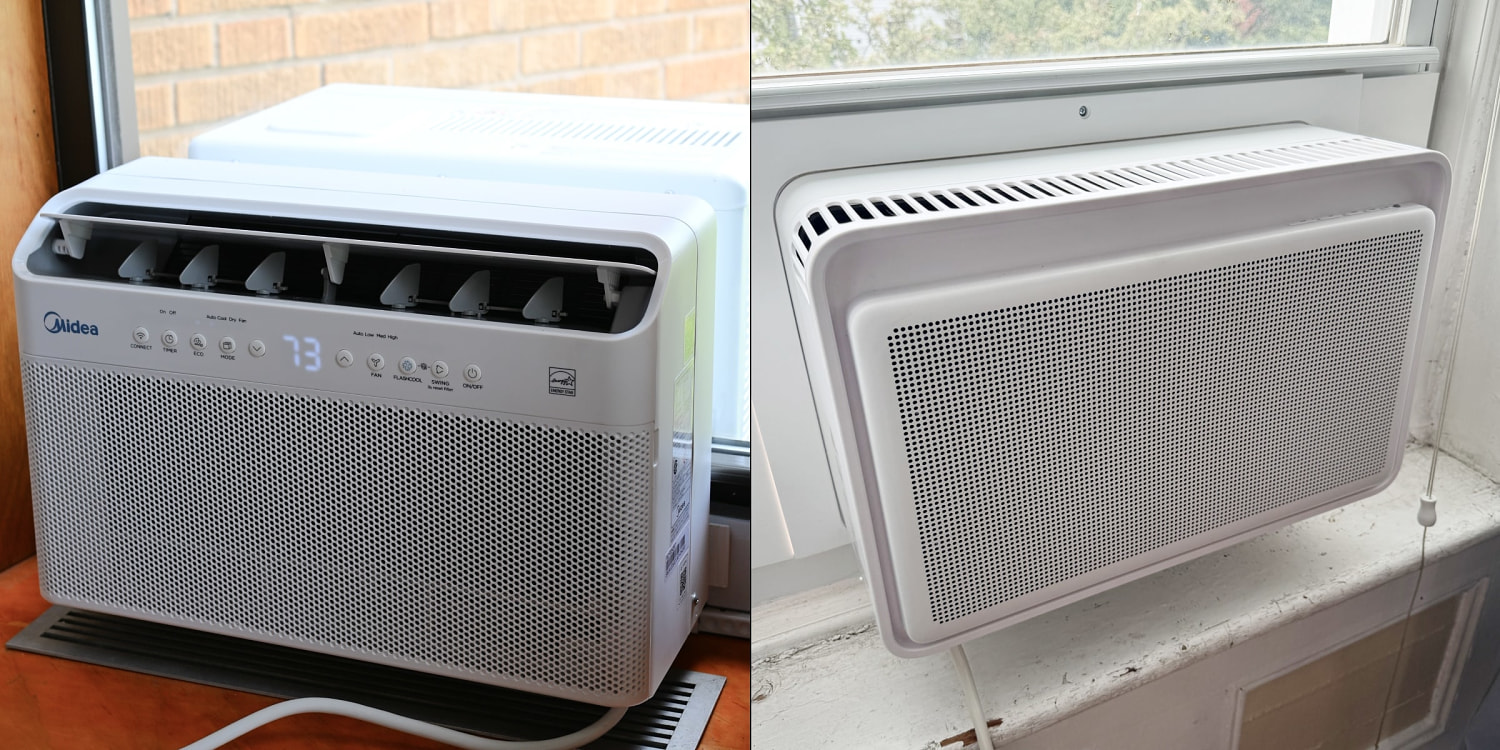
The modern window air conditioner market has been fundamentally split by two competing philosophies, represented by the Midea U and the Windmill AC. If you want the short answer on which to buy, it comes down to a choice between mechanical superiority and aesthetic compromise. The Midea U is the mechanically superior machine, offering unprecedented efficiency, quietness, and the ability to open your window. The Windmill AC is an aesthetic triumph that simplifies installation but relies on older, louder, and less efficient compressor technology.
For decades, the window air conditioner was an unloved appliance. It was a heavy, rattling beige box that ruined the look of a room and blocked the view. Then, a wave of direct-to-consumer startups realized that millennials and Gen Z renters would pay a premium for appliances that did not look like industrial relics. This birthed the "design forward" AC movement. For a different view, check out: this related article.
But beneath the sleek matte plastics and minimalist smartphone apps lies a complex engineering reality. Air conditioning is a brutal game of thermodynamics. When you prioritize how an appliance looks over how it moves air and compresses refrigerant, performance suffers.
The Inverter Revolution vs Legacy Compressors
To understand why these two units perform so differently, you have to look at the heart of the machine. The compressor is what actually cools the air. Similar insight on this trend has been published by Mashable.
Traditional window units, including the Windmill, use rotary compressors that operate on an all-or-nothing basis. The compressor runs at 100% capacity until the room reaches the target temperature, then slams off. When the room warms up, it kicks back on at 100%. This cycling creates the familiar, jarring thud and loud hum that wakes you up in the middle of the night. It also consumes massive amounts of electricity, as starting a motor from a dead stop requires a heavy surge of current.
The Midea U uses a variable-speed inverter compressor. Instead of shutting off, it slows down. Think of it like cruise control on a highway versus stomping on the gas and then slamming on the brakes. Once the room hits the desired temperature, the inverter runs at a low, highly efficient percentage.
This engineering difference manifests in real-world utility bills. The Midea U boasts a Combined Energy Efficiency Ratio (CEER) that routinely sits around 15.0, making it Energy Star Most Efficient certified. The Windmill, relying on standard compressor tech, lingers closer to a CEER of 11.0. Over a hot summer, running the Windmill will cost noticeably more on your monthly electric bill.
The Physical Divide of Your Window Sill
The most striking visual difference is how these two units sit in your home.
Windmill opted for the traditional chassis shape but wrapped it in a clean, white shell with rounded corners and a recurring hole-punch grille. It looks beautiful out of the box. It installs exactly like every AC you have ever owned: you lift it into the window, pull out the accordion side panels, screw it down, and hope the foam tape seals the gaps.
The issue here is acoustic and spatial. Because the entire unit sits inside the window frame, the loudest components—the compressor and the fan motor—are physically located inside your room. Standard window frames do a poor job of blocking this sound.
Midea approached the problem by redesigning the physical layout of the machine. They split the unit into a U-shape. The indoor blower sits inside the room, the loud compressor sits entirely outside the building, and a narrow channel connects the two through the window sill.
This design allows you to slide your window pane down into the center of the unit. Your window glass becomes a massive acoustic barrier, sealing out the outdoor heat and the indoor compressor noise.
Furthermore, the Midea design allows you to actually open your window on a cool night without removing the air conditioner. With the Windmill, your window is locked in place until autumn.
The Installation Penalty
If the Midea U is so mechanically superior, why does anyone buy the Windmill? The answer lies in the psychological barrier of installation.
The Midea U requires a specialized support bracket that must be anchored into the window sill before the unit can be slid into place. For an experienced DIYer, this is a twenty-minute task. For a renter with strict building rules or someone who lacks a power drill, it can feel like a major construction project. The unit is back-heavy; dropping it during installation means watching 60 pounds of machinery plummet to the pavement below. Midea includes anti-tip mechanisms, but the anxiety remains.
Windmill capitalized on this fear. They ship their unit with the installation frame pre-assembled to the chassis. You lift it, set it, and extend the side panels. They even include a premium installation kit with better-looking foam and a clear instruction booklet that reads like an Apple product guide.
Windmill stripped the friction out of the buying process. They realized that customers would overlook average cooling performance if the experience of putting the machine in the window didn't cause an argument with their partner.
Airflow Dynamics and the Ceiling Problem
An overlooked aspect of air conditioner design is where the air actually goes.
The Windmill blows air upward at a steep angle from the top of the machine. The marketing copy frames this as a benefit, claiming it circulates air better throughout the room without blowing directly into your face.
In practice, thermodynamics works against this design. Cool air naturally sinks. By blasting air straight toward the ceiling, the Windmill can sometimes trip its own internal thermostat, reading the pocket of cold air pooling at the top of the window frame as the overall room temperature. This leads to premature cycling, where the machine thinks the room is cool when the floor level is still warm.
Midea uses a traditional front-facing louver system that can be adjusted electronically via an app or remote. It pushes air straight out into the room, cutting through the ambient heat and creating a more immediate cooling sensation where people are actually sitting.
Software Ecosystems and the Smart Home Trap
Both companies push their smart home integrations heavily. You can control both via iPhone or Android apps, and both connect to Amazon Alexa and Google Home.
Windmill's app experience is cleaner, mimicking the aesthetic of modern smart thermostats. It is reliable, intuitive, and rarely drops connection. They also offer a carbon offset program within the app, allowing users to purchase offsets to balance out their cooling footprint—a clever marketing touch targeted squarely at their core demographic.
Midea's app is functional but feels like a legacy software platform that has been reskinned. It works, but the user interface can be clunky, and setting up schedules requires navigating through several confusing sub-menus.
However, smart features are a secondary concern when a heatwave hits. A beautiful app cannot make a room cool down any faster.
The Longevity and Maintenance Question
Air conditioners live in a hostile environment. The back half of the machine is subjected to baking sun, torrential rain, and nesting birds, while the front half handles indoor dust, pet dander, and humidity.
Cleaning the Windmill requires popping off the magnetically attached front grille. It is a simple process, and the filter slides out easily. However, because the chassis is a tight, integrated box, deep cleaning the coils after a few seasons of use is difficult without completely dismantling the plastic exterior.
The Midea U is easier to maintain from the outside because the components are spread out. The filter is accessed by flipping up the front panel. Because the outdoor portion is completely separate, draining the pan and clearing out debris from the condenser coils doesn't require pulling the entire heavy apparatus out of the window frame.
Making the Final Calculation
The choice between these two units highlights the divide between industrial design and mechanical engineering.
If you live in a strict apartment building where modifying windows is forbidden, or if you lack the confidence to install a dynamic bracket system, the Windmill offers an immediate, aesthetically pleasing solution that looks better than 90% of the market. You accept the higher electricity bills and the louder operational hum as a tax for a beautiful object and an easy setup.
If you prioritize raw performance, energy savings, and silence, the Midea U stands alone. It represents a genuine leap forward in how a window appliance operates, using physics to isolate noise and inverter technology to slash energy consumption. Buy the Midea if you want to cool your room efficiently; buy the Windmill if you want to decorate it.