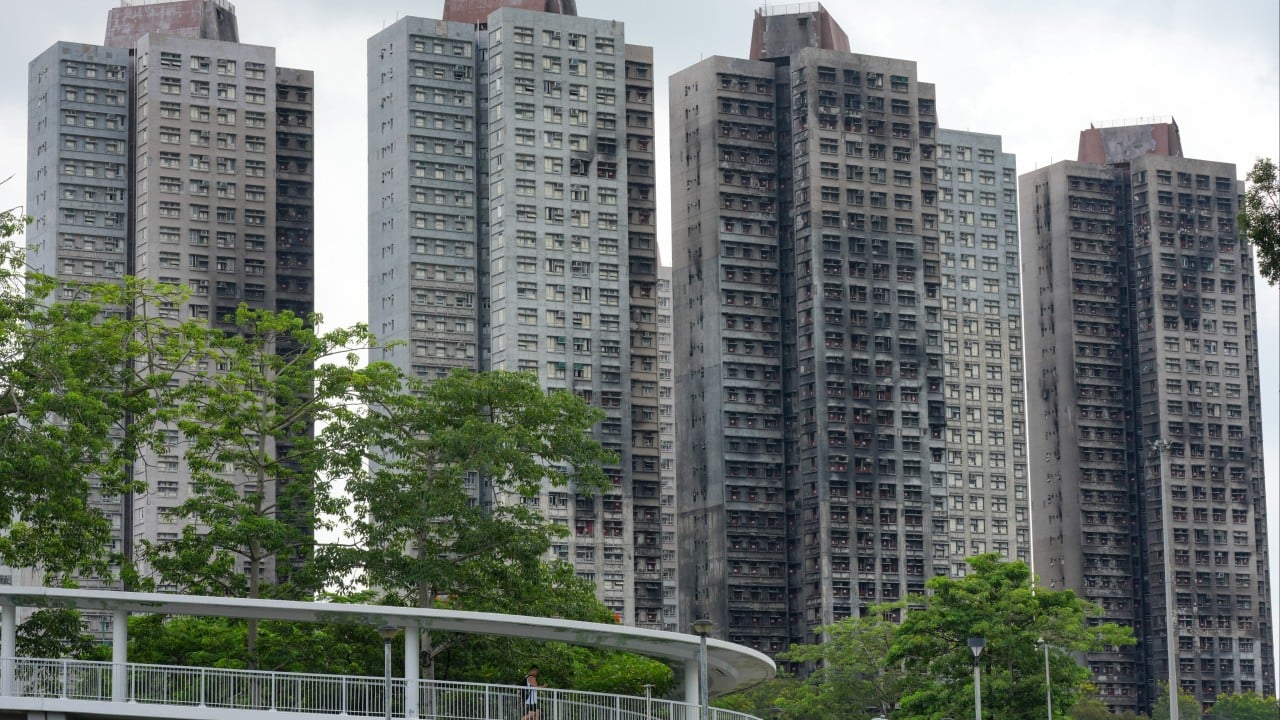
Bureaucratic inertia rarely yields to tragedy without a fight. When disaster strikes, the immediate aftermath is invariably saturated with performative contrition, promises of systemic overhaul, and urgent vows that things will never be the same. Yet behind closed doors in the upper echelons of government, the primary objective is often damage limitation rather than radical transformation. The impending release of the official investigation into the devastating Tai Po fire in Hong Kong has forced local authorities into a defensive scramble, sparking a sudden wave of promised accountability measures and structural reforms. But looking past the glossy press conferences and carefully scripted ministerial apologies reveals a familiar pattern of institutional self-preservation.
Hong Kong is preparing a sweeping overhaul of its safety protocols, regulatory enforcement frameworks, and internal accountability mechanisms ahead of the formal public release of the Tai Po fire report. For months, independent watchdogs, distraught families, and housing advocates have demanded answers regarding how structural vulnerabilities, alleged regulatory lapses, and delayed emergency responses converged into a catastrophe. The government response, characterized by last-minute legislative tweaks and high-profile administrative reviews, is designed to blunt the edge of public fury before the inquiry findings hit the public domain. To understand why these reforms are being rushed out now, we have to look closely at the mechanics of crisis management within the city's civil service apparatus.
The Anatomy of Regulatory Failure
Disasters of this magnitude rarely happen in a vacuum. They are typically the culmination of years of institutional blindness, corner-cutting, and routine deregulation masquerading as administrative efficiency. In the months leading up to the Tai Po fire, warning signs were present for those willing to look. Independent housing inspectors and safety advocates had repeatedly flagged deteriorating infrastructural standards and lax enforcement of fire safety codes in older high-density residential developments across the territory.
These warnings collided with an overextended bureaucratic infrastructure. Departmental silos prevented critical safety data from being shared horizontally across agencies, meaning the department responsible for building maintenance rarely communicated effectively with the division tasked with emergency response readiness. When responsibility is fragmented across half a dozen competing government departments, true accountability becomes an elusive ghost. Everyone is technically responsible, which in practice means no one is.
The impending inquiry report is expected to tear away the bureaucratic veil, exposing specific operational failures that allowed hazardous conditions to persist. Knowing this, the administration has moved quickly to reframe the narrative. By announcing preemptive accountability measures and pledging structural reforms before the report is even published, officials are attempting to seize control of the news cycle. They want the public to view the upcoming findings not as an indictment of current leadership, but as the final push for changes that the government was already bravely initiating.
The Mechanics of Reform or Containment
A close examination of the proposed accountability measures reveals a distinct preference for procedural tweaks over fundamental structural surgery. Officials have floated proposals to increase penalties for safety violations, digitize compliance tracking, and establish cross-departmental task forces to oversee high-risk buildings. On paper, these steps look decisive. On the ground, they risk repeating the mistakes of past administrative cycles.
Increased penalties mean little without rigorous, independent enforcement. Digitizing compliance tracking solves nothing if the underlying data being fed into the system is flawed or willfully ignored by overworked inspectors. The core issue in Hong Kong's regulatory ecosystem is not a lack of statutory power; it is an entrenched culture of compliance theater. Civil servants are rewarded for ticking boxes and meeting output metrics, not for challenging the status quo or halting projects that generate economic momentum.
Furthermore, the personnel changes touted as proof of accountability often amount to little more than internal shuffling. Mid-level managers take the fall or are quietly reassigned to less visible posts, while top-tier leadership remains insulated from direct consequences. This ritualistic sacrifice of administrative scapegoats preserves the hierarchy while offering a superficial sense of justice to a grieving public.
Economic Realities and Urban Density
Any honest assessment of Hong Kong's fire safety crisis must confront the brutal economic realities of the city's housing market. Decades of soaring property values, severe land shortages, and public housing wait times spanning years have created an environment where substandard living conditions are tolerated out of sheer desperation.
Many residents live in subdivided flats, aging tenement buildings, or informal structures where retrofitting modern fire suppression systems is logistically nightmarish and financially prohibitive. Landlords often resist mandatory upgrades because the capital expenditure eats into profit margins, while tenants stay silent for fear of eviction or rent hikes. When the state fails to subsidize necessary safety overhauls in privately owned aging stock, safety becomes a luxury available only to those living in newly developed luxury towers.
The government's new reform package largely sidesteps this economic minefield. Pledging stricter oversight without addressing the underlying housing deficit and the structural poverty of vulnerable communities is a recipe for continued tragedy. You cannot regulate your way out of a housing crisis through punitive enforcement alone. Without massive public investment in infrastructure renewal and genuine tenant protection, safety mandates will either be quietly ignored or will price marginalized residents out of their homes entirely.
The Public Trust Deficit
Trust is a depreciating asset in Hong Kong's current political climate. For years, the social contract between the citizenry and the administration has been strained by political upheavals, housing pressures, and a growing perception that governance is conducted from the top down without genuine public input. A catastrophe like the Tai Po fire acts as a flashpoint, crystallizing years of accumulated resentment over perceived institutional indifference.
When citizens look at the government's rush to implement reforms ahead of the inquiry, they do not see proactive leadership; they see damage control. The timing is too convenient, the messaging too polished. If the administration genuinely wanted to restore trust, it would open the investigative process to unvarnished public scrutiny, welcome independent citizen oversight of the reform process, and guarantee that accountability reaches the highest levels of office, regardless of political fallout.
Instead, the response remains tightly managed. Officials are treating the crisis as a public relations problem to be solved rather than a moral failure to be rectified. This fundamental misdiagnosis guarantees that the reforms currently being rushed through the legislative pipeline will fail to address the root causes of the disaster.
History suggests that bureaucratic systems will always prioritize their own survival over systemic transformation unless subjected to relentless, unyielding pressure from the outside. The Tai Po fire report will likely provide the facts, but what happens next depends entirely on whether the public and the independent press refuse to let the administration sweep the deeper structural failures under the rug. The real test of accountability is not what is promised in a moment of crisis, but what survives long after the headlines fade and the cameras are gone.