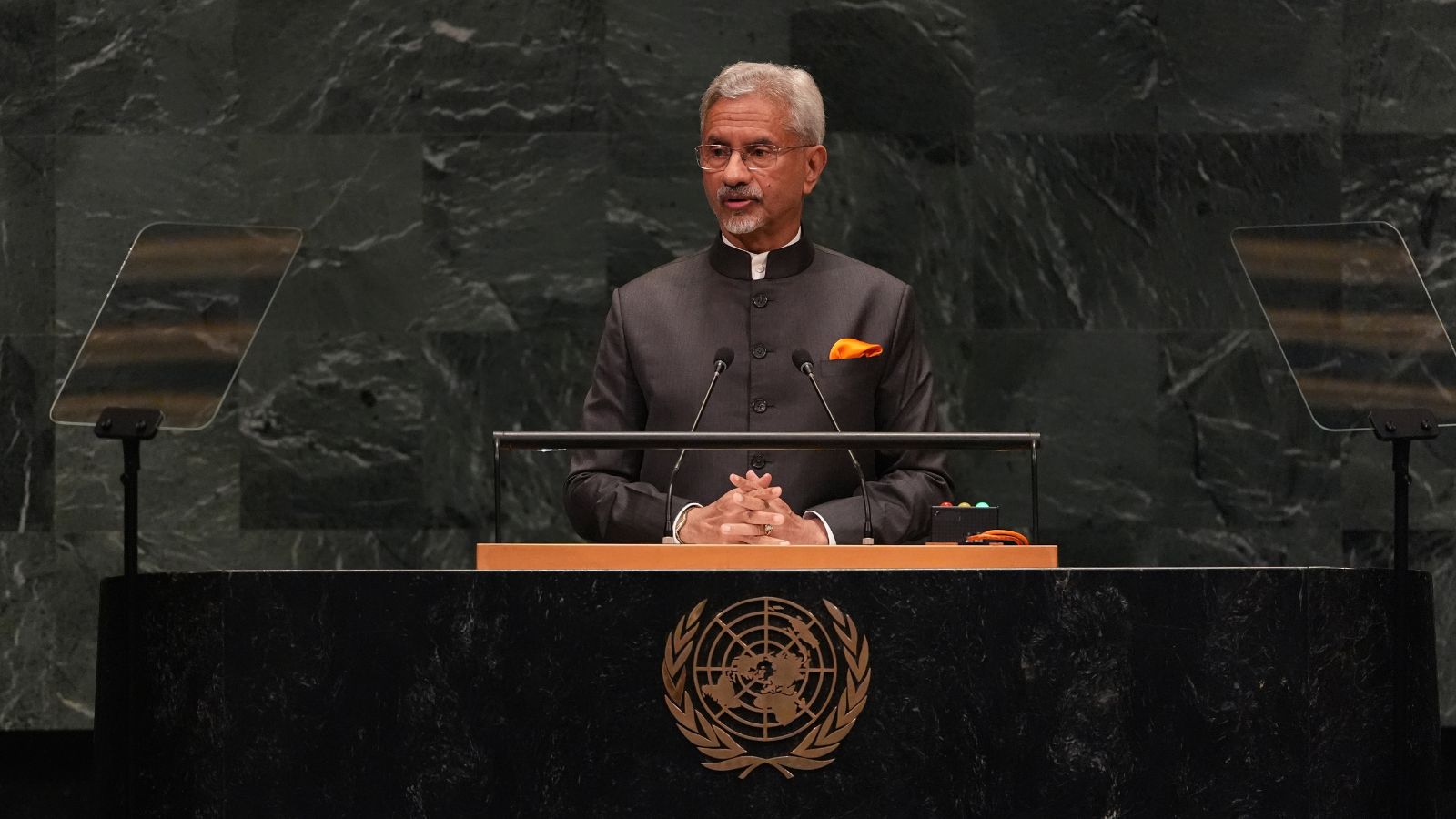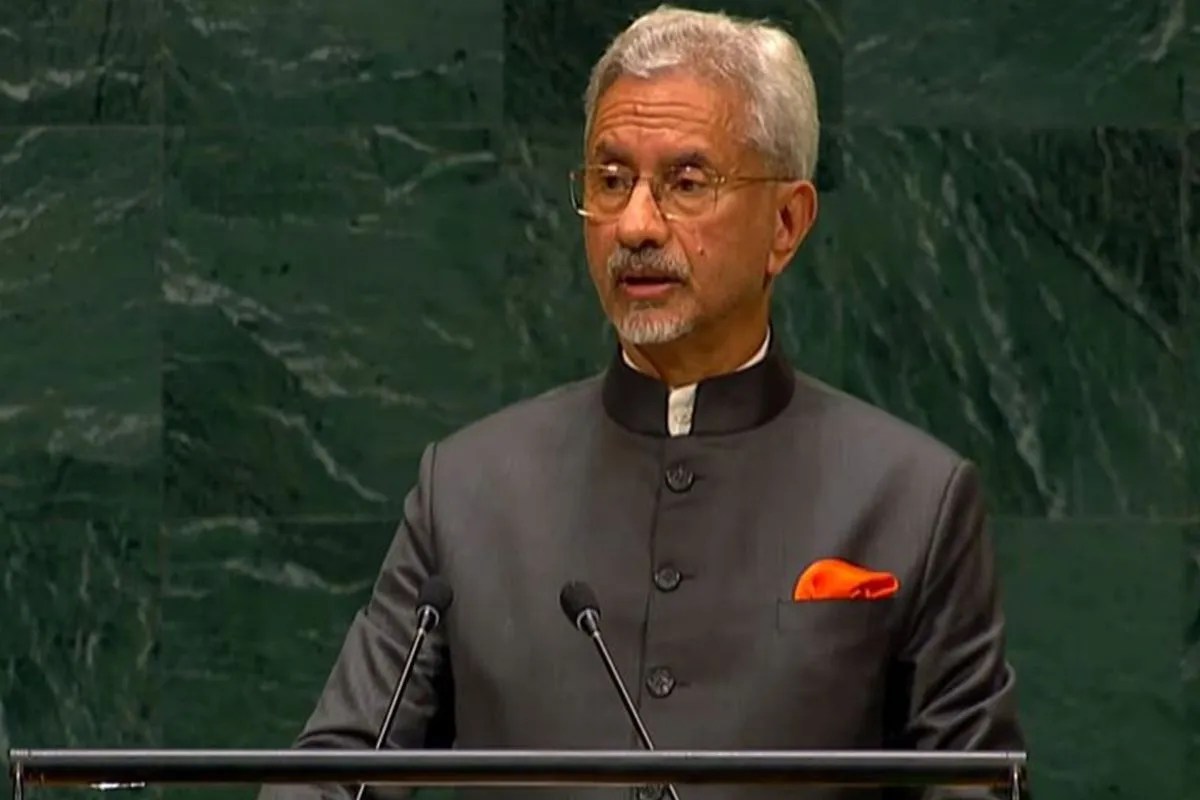
External Affairs Minister S. Jaishankar stepped to the podium at the United Nations General Assembly and delivered a blunt assessment that shattered diplomatic pleasantries. India refuses to grant immunity to state sponsors of cross-border terrorism. By categorizing neighboring Pakistan as a serial practitioner of terror, New Delhi dismantled the long-standing equivalence often manufactured in international forums. This address was not merely rhetorical theater. It marked a fundamental recalibration of how sovereign states confront clandestine warfare on multilateral stages, shifting the strategic onus entirely back onto the perpetrators.
The Anatomy of Diplomatic Combat
Diplomacy at the United Nations often operates on a currency of calculated ambiguity. Delegates trade polite platitudes while avoiding direct accusations to preserve fragile coalitions. Jaishankar discarded this cautious script. When a nation weaponizes irregular warfare as an instrument of state policy while simultaneously demanding normal diplomatic parity, the institutional response must change.
Consider the mechanics of how state-sponsored violence is masked in international chambers. Representatives from Islamabad routinely utilize global platforms to obscure domestic failures by projecting grievances outward. They attempt to frame systemic radicalization as a bilateral territorial dispute, seeking moral cushioning from disengaged Western capitals. India's counter-strategy relies on stripping away this camouflage. By calling out the structural architecture of proxy networks, New Delhi exposes the core contradiction: states that nurture extremist infrastructure cannot simultaneously claim the protection of sovereign norms.
Shifting the Burden of Proof
For decades, international institutions reacted to South Asian security crises with reflex calls for bilateral dialogue and mutual restraint. This approach suffered from a fundamental analytical flaw. It treated the victim of cross-border aggression and the perpetrator as identical actors sharing equal responsibility for de-escalation.
India's recent diplomatic posture fundamentally alters this dynamic. The burden of proof no longer rests on New Delhi to justify defensive readiness or explain targeted counter-measures. Instead, the international community is forced to confront a stark reality. Friendship and goodwill cannot coexist with asymmetric warfare. If a government chooses to export violence across international borders, any pretense of normal diplomatic engagement becomes structurally untenable.
This shift forces multilateral partners to make uncomfortable choices. Western nations that prioritize counter-terrorism cooperation in other global theatres can no longer turn a blind eye to regional exceptions carved out for convenience. When a state acts as an incubator for violent extremist factions, diplomatic shielding carries an unacceptable moral and security cost.
Why Regional Exceptions Destroy Global Security
Global counter-terrorism architecture is only as strong as its least enforced boundary. When international organizations tolerate selective application of anti-terror norms based on geopolitical expediency, the entire framework decays.
Look at the historical trajectory of international counter-terrorism initiatives since the turn of the century. Treaties were drafted, financial tracking mechanisms like the Financial Action Task Force were established, and intelligence-sharing protocols were expanded. Yet, persistent loopholes remained because powerful capitals often viewed regional proxy wars through the narrow lens of short-term utility.
Pakistan mastered this art of strategic blackmail. By positioning itself as an indispensable transit corridor or a necessary mediator in regional conflicts, Islamabad extracted financial aid and diplomatic indulgence while continuing to sponsor sub-conventional warfare against its eastern neighbor. This double game eroded the credibility of multilateral institutions. When the United Nations fails to penalize a serial offender with genuine enforcement actions, it signals to other rogue entities that international law is negotiable.
The Cost of Appeasement in Multilateral Forums
Appeasement in international relations rarely brings peace. It merely delays the inevitable reckoning while emboldening the aggressor.
When international bodies indulge state sponsors of terrorism with soft language and procedural delays, the security environment deteriorates rapidly. Civilians pay the price for bureaucratic cowardice. The brutal reality of attacks such as the assault in Pahalgam, which claimed the lives of innocent civilians and tourists, demonstrates that proxy warfare is not a theoretical abstraction. It leaves behind grieving families, shattered communities, and permanent geopolitical scars.
India's insistence on absolute accountability is a direct response to the failure of institutional appeasement. By refusing to soften its rhetoric, New Delhi ensures that the memory of cross-border attacks cannot be washed away by diplomatic communiques. The message to the international community is uncompromising. Half-measures and diplomatic euphemisms act as oxygen for violent extremists.
Reconstructing the Counter Terrorism Architecture
Rhetoric alone does not deter a state that treats terrorism as a low-cost, high-yield investment. Effective containment requires an integrated doctrine that combines unyielding diplomatic exposure with credible kinetic deterrence.
In recent years, India has demonstrated that strategic patience has definitive limits. Operations targeting terrorist launchpads across the Line of Control established a hard boundary. They proved that operational impunity is dead. When a government realizes its sovereign territory is no longer a safe haven from which to launch clandestine attacks, the cost-benefit calculus of proxy warfare shifts dramatically.
International law must evolve to match this operational reality. The traditional definition of aggression remains anchored to conventional armies crossing international borders. Yet, modern warfare relies on non-state proxies, cyber disruptions, and ideological subversion. If global institutions refuse to update their legal definitions to hold sponsoring states directly accountable for the actions of their proxy militias, nations will increasingly rely on unilateral or coalition-based self-defense doctrines.
The Mechanics of Sovereign Defense
Exercising the right to self-defense against cross-border terrorism is not a violation of international order; it is a prerequisite for its survival. When multilateral institutions prove incapable or unwilling to dismantle terrorist infrastructure operating with state patronage, affected states retain an inherent legal and moral obligation to protect their citizens.
Critics often argue that kinetic responses risk regional escalation. This argument reverses cause and effect. The escalation began the moment a sovereign state decided to train, fund, and infiltrate armed militants across an internationally recognized border. Neutralizing that threat is an act of restoration, not initiation.
Jaishankar’s address at the United Nations underscored this fundamental truth. India will not negotiate its security in exchange for polite silence. The onus rests entirely on the perpetrator to dismantle its terror infrastructure, dismantle financial networks, and renounce violence as an instrument of statecraft. Until that happens, normal bilateral relations remain frozen in a deep diplomatic deep-freeze.
The future of regional stability hinges on whether the international community possesses the institutional courage to abandon moral equivalence. As long as global forums offer sanctuary to diplomatic hypocrites, terrorism will find oxygen. India’s unyielding posture provides a blueprint for how medium and major powers must confront state-sponsored terror: without apology, without illusion, and with absolute operational clarity.
The podium at the United Nations is designed for dialogue, but when misused by practitioners of terror, it must serve as an indictment. New Delhi has made its choice clear. The era of silent endurance is over.
No Dilution in Zero Tolerance Approach to Terrorism
This video captures External Affairs Minister S. Jaishankar delivering his uncompromising address on state-sponsored cross-border terrorism at the United Nations General Assembly.