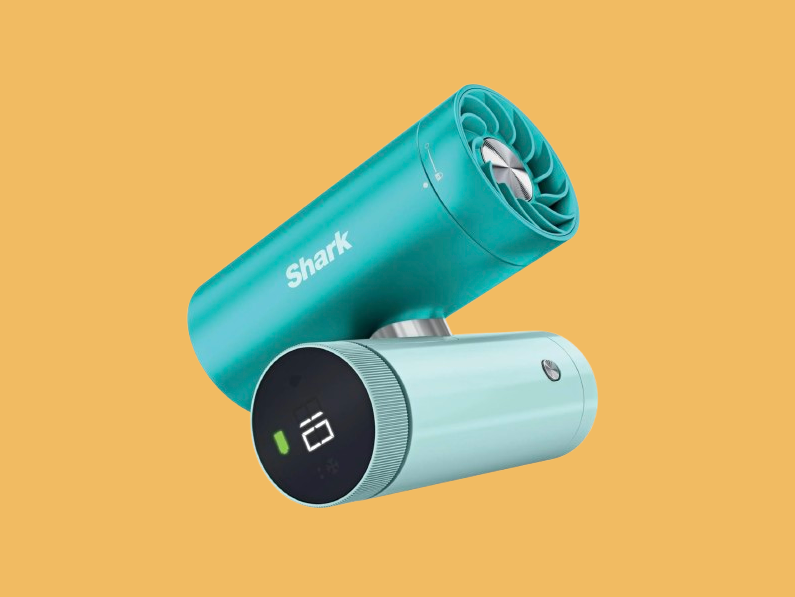
The Shark ChillPill promises to solve personal overheating, but a deep look at the physics of portable cooling reveals why these devices often fall short of consumer expectations. While market marketing suggests a pocket-sized air conditioner, the reality is governed by strict thermodynamic limitations. For anyone trying to survive a heatwave on the move, understanding how these devices actually manipulate heat is the difference between buying a genuine relief tool and wasting money on a glorified desk fan.
The Illusion of Portable Air Conditioning
The portable cooling market has exploded over the last few years. Consumers are constantly bombarded with advertisements featuring sleek, handheld devices that supposedly blast freezing air at the touch of a button. The Shark ChillPill is one of the latest entries attempting to capture this demographic.
To understand why these devices struggle, you have to look at how true air conditioning works. Standard AC units require a compressor, a chemical refrigerant, and a mechanism to vent hot air outside the space being cooled. A small, battery-powered device resting on your desk or held in your hand lacks the physical real estate for these components.
Instead, most portable "coolers" rely on one of two methods. They either use a basic fan to move ambient air over your skin, or they employ a thermoelectric cooling module known as a Peltier element.
The Science of the Peltier Plate
A Peltier module works by passing an electric current through two dissimilar conductors. This process transfers heat from one side of the device to the other, creating a distinct cold side and a distinct hot side.
- The Cold Side: This is the surface that faces the user, often advertised as a cooling plate that you can press against your neck or wrists for instant relief.
- The Hot Side: This side accumulates all the displaced heat, plus the thermal energy generated by the battery and the circuit itself.
This heat does not just vanish. It must be dissipated into the surrounding environment, usually via a small internal fan and heat sink. If you are using the device in an already hot, stagnant room, the hot side struggles to shed its thermal load. When the hot side gets too warm, the efficiency of the cold side drops drastically.
Where Marketing Meets Reality
When you unbox a device like the ChillPill, the initial impression is often positive. The metal plate feels cold to the touch almost instantly when turned on in a temperate room. This immediate drop in temperature tricks the nervous system into sensing an intense cooling effect.
The human body regulates temperature heavily through pulse points where blood vessels are close to the skin surface, such as the sides of the neck, the insides of the wrists, and the temples. Applying a cold object to these areas provides a rapid subjective sensation of cooling.
However, this is localized comfort rather than environmental cooling. The air flowing from the small fan blades is still just the ambient air of the room. If the room is 32°C, the fan is blowing 32°C air. The only reason it feels cool is due to the evaporative cooling of your sweat, a process that any five-dollar plastic fan can achieve.
Battery Life and Thermal Throttle
High-velocity fans and thermoelectric plates draw significant amounts of power. To keep these devices lightweight and pocket-friendly, manufacturers must use smaller lithium-ion batteries.
This creates a fundamental engineering bottleneck. Running the cooling plate on its highest setting drains the battery rapidly, often within ninety minutes to two hours. Furthermore, as the internal components work harder, they generate more internal heat. During extended use on a hot day, many of these gadgets will thermally throttle, meaning they automatically reduce their cooling power to prevent the internal battery from overheating. You are left with a weak breeze just when you need maximum performance.
Comparing the Alternatives
Before spending significant money on specialized personal cooling tech, it helps to look at the broader landscape of heat management tools.
| Device Type | Mechanism | Pros | Cons |
|---|---|---|---|
| Thermoelectric Fan (e.g., ChillPill) | Peltier plate combined with a standard electric fan. | Instant localized skin cooling via the metal plate. | Heavy, short battery life, expensive, does not lower room temperature. |
| Traditional Handheld Fan | Simple battery-operated motor spinning plastic blades. | Lightweight, highly affordable, long battery life. | Only works via sweat evaporation; useless in extreme humidity. |
| Evaporative Cooler (Swamp Cooler) | Fan blowing air through a wet filter or ice compartment. | Can slightly lower the temperature of the air stream. | Requires constant water/ice refills; increases humidity levels significantly. |
Evaporative personal coolers are often confused with devices like the ChillPill, but they operate on a completely different principle. They require water or ice to function. As the fan blows warm air through a wet wick, the water evaporates, absorbing heat energy from the air and lowering its temperature.
This works remarkably well in dry climates like Arizona or Egypt. In humid environments like Miami or London, the air is already saturated with moisture. The water in the device cannot evaporate effectively, rendering the cooling mechanism useless and leaving you with damp, sticky air blowing directly into your face.
The Target Audience and Final Verdict
Personal cooling gadgets are not entirely useless, but they are highly situational. They will not rescue you from a heatwave if your home lacks proper insulation or air conditioning. They cannot cool down a room, nor can they provide sustained relief during an all-day outdoor festival in peak summer.
They find their utility in short bursts. They are useful for a stifling ten-minute subway commute, a quick walk from the parking lot to the office, or for someone who suffers from sudden hot flashes and needs immediate, localized skin cooling.
If you buy a personal cooling fan expecting it to act as a shield against the realities of rising global temperatures, you will be disappointed. The physics of heat transfer simply do not allow a pocket-sized, battery-powered device to override the ambient temperature of your environment for long. True relief in extreme heat still relies on heavy infrastructure, proper shade, hydration, and large-scale ventilation. Treating these small gadgets as anything more than a brief, supplementary comfort tool is a recipe for a warm, expensive letdown.