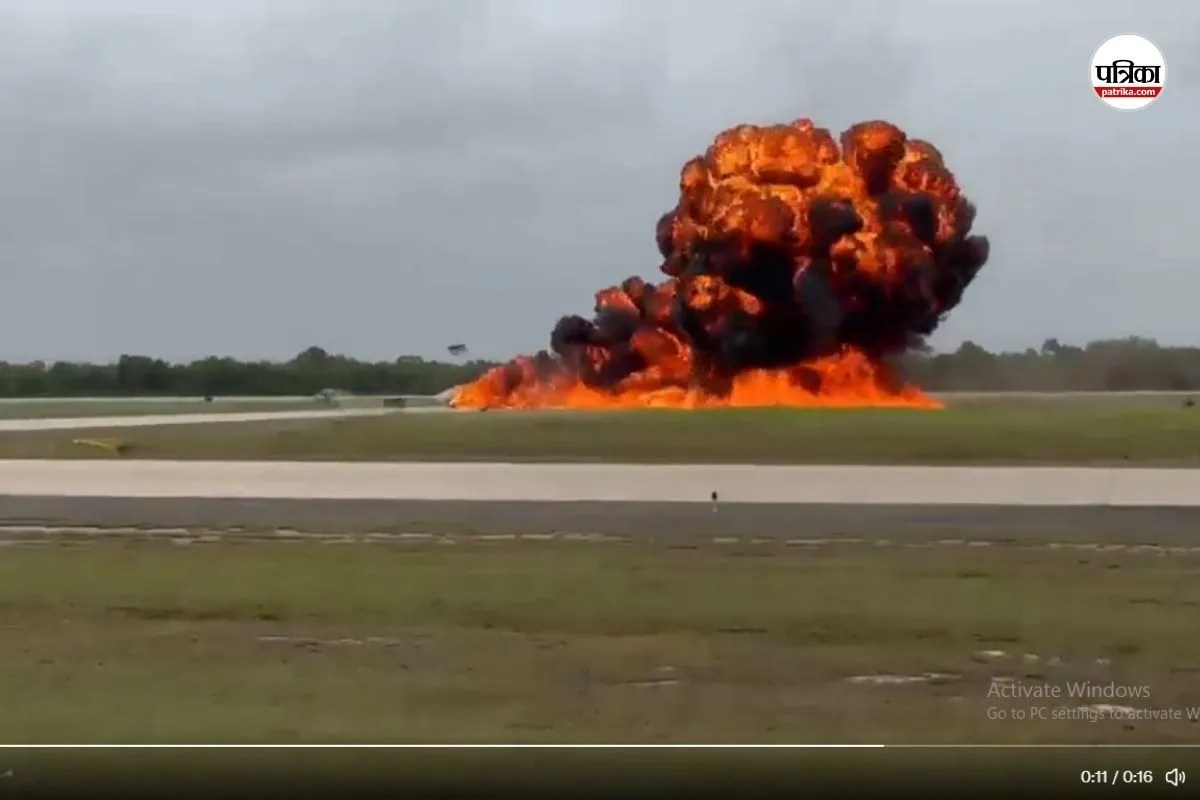
A spectacular fireball on a runway instantly commands global attention. When an aircraft touches down and immediately transforms into a mass of smoke and twisted metal, viral video clips flood social media within minutes. The immediate public reaction centers on the terrifying visuals. We watch the sudden eruption of flame upon touchdown, the desperate deployment of emergency slides, and the heroic scramble of first responders. Yet, the sensationalized breaking news coverage almost always misses the point.
The real crisis in aviation safety is not the rare, catastrophic mechanical failure that triggers an explosion. It is the systemic vulnerability hidden within modern airport infrastructure and regulatory oversight that turns a survivable touchdown incident into a fatal inferno.
When an aircraft explodes upon landing, the root cause is rarely a single, isolated malfunction. It is the culmination of a predictable sequence known in safety engineering as the Swiss cheese model. For an incident to escalate into a runway disaster, multiple defensive layers must fail simultaneously. To understand why planes burn when they hit the tarmac, we must look beyond the dramatic video footage and examine the brutal physics of landing, the chemistry of aviation fuel, and the silent failures of regulatory compliance.
The Violent Physics of the Touchdown Zone
Landing an airplane is essentially a controlled crash. A commercial airliner weighing up to several hundred tons transitions from flight to a high-speed ground roll in a matter of seconds. The physical forces concentrated on the landing gear during this transition are astronomical.
When the tires meet the concrete, they must instantly accelerate from zero to speeds exceeding 140 miles per hour. This creates immense friction and a massive spike in temperature. Under normal conditions, the aircraft's shock absorbers, brake cooling systems, and tire materials dissipate this energy seamlessly. However, if the aircraft descends too rapidly—a condition known as a hard landing—the structural integrity of the gear is pushed beyond its breaking point.
When landing gear collapses under these extreme loads, the consequences are immediate and catastrophic. The fuselage or wings strike the runway surface at lethal speeds. This metal-on-concrete friction generates a continuous stream of sparks reaching temperatures well above 1,000 degrees Fahrenheit. If a ruptured fuel tank leaks fluid onto this ignition source, an explosion is mathematically inevitable.
The Vulnerability of Wing Tanks and Jet Fuel
Modern commercial aircraft carry the vast majority of their fuel inside the wings. This design optimizes weight distribution and structural efficiency during flight. However, it also places hundreds of thousands of pounds of highly volatile jet A-1 fuel directly above the landing gear assembly.
During a severe landing gear failure, the collapsing metal struts are frequently driven upward into the wing structure. This punctures the aluminum skin of the fuel tanks. Once the tank is breached, the fuel atomizes into a fine mist as it rushes out into the high-velocity air streaming past the aircraft.
Atomized jet fuel requires very little energy to ignite. A single spark from scraping metal or a hot brake disc can instantly detonate the fuel-air mixture, creating the classic "fireball" effect seen in runway disasters.
Once ignition occurs, the survival window for passengers shrinks to a matter of seconds. Aluminum alloys used in aircraft manufacturing are lightweight and strong, but they possess a relatively low melting point. A high-intensity jet fuel fire can burn through a commercial airplane's fuselage skin in less than 60 seconds, exposing the cabin interior to toxic gases and unbearable radiant heat.
The Regulatory Blind Spots in Runway Maintenance
While public attention focuses on aircraft mechanics, the physical condition of the runway itself is often an overlooked catalyst for disaster. Every time an airplane lands, its tires leave a thick layer of rubber on the concrete surface. Over time, this rubber accumulation creates a smooth, glass-like coating over the runway's micro-texture.
When a runway is wet or contaminated by rubber buildup, braking efficiency drops exponentially. This leads to hydroplaning, where the tires lose contact with the surface and float on a thin film of liquid or melted rubber. A pilot attempting to decelerate on a contaminated runway faces a severe loss of directional control.
If the aircraft drifts off the center line, the landing gear can strike runway edge lights, drainage ditches, or uneven terrain. These obstacles exert lateral forces on the gear assemblies that they were never designed to withstand, causing an immediate collapse and subsequent fuel tank rupture. Airport operators are legally required to perform regular friction testing and rubber removal, but financial pressures and tight flight schedules frequently lead to delayed maintenance windows.
The Fiction of the Ninety Second Evacuation Rule
Global aviation regulators enforce a strict standard: every commercial aircraft must be capable of a full passenger evacuation within 90 seconds, even with half of the emergency exits blocked. This certification process is performed in controlled environments with trained volunteers. It is an illusion.
In a real-world runway disaster, panic destroys the validity of the 90-second rule. Passengers frequently ignore crew instructions, stopping to retrieve overhead luggage and blocking the narrow aisles. This selfish behavior costs lives. Furthermore, the toxic smoke generated by burning cabin plastics—primarily carbon monoxide and hydrogen cyanide—can incapacitate passengers within two or three breaths, rendering them incapable of reaching an exit.
Survival Variables in Runway Fires:
+-----------------------+-------------------------+-------------------------+
| Variable              | Optimized Conditions    | Real-World Breakdown    |
+-----------------------+-------------------------+-------------------------+
| Cabin Integrity       | 180 seconds insulation  | <60 seconds burn-through|
| Passenger Behavior    | Orderly exit sequence  | Luggage retrieval panic |
| Emergency Lighting    | High-visibility floor   | Obscured by dense smoke |
+-----------------------+-------------------------+-------------------------+
The harsh reality is that the aviation industry accepts a calculated level of risk. Redesigning aircraft to place fuel tanks away from the wings or reinforcing the fuselage with heavy, fire-resistant shielding would make commercial flight economically unviable due to the massive increase in weight and fuel consumption.
Accountability Beyond the Black Box
When investigators sift through the charred wreckage of a runway accident, they look for more than just broken parts. They look for the systemic failures that allowed those parts to break. True safety progress requires moving away from the culture of blaming pilot error or freak mechanical failures.
We must demand rigorous, independent oversight of airport maintenance schedules, especially regarding runway friction levels and rubber eradication. Regulatory bodies must impose harsher penalties for airlines that fail to brief passengers adequately on emergency procedures, and cabin designs must be evolved to include automated smoke-suppression systems. Until the industry addresses these structural and operational vulnerabilities with the same urgency it applies to engine reliability, the terrifying spectacle of a runway fireball will remain an ongoing tax on the reality of global air travel.