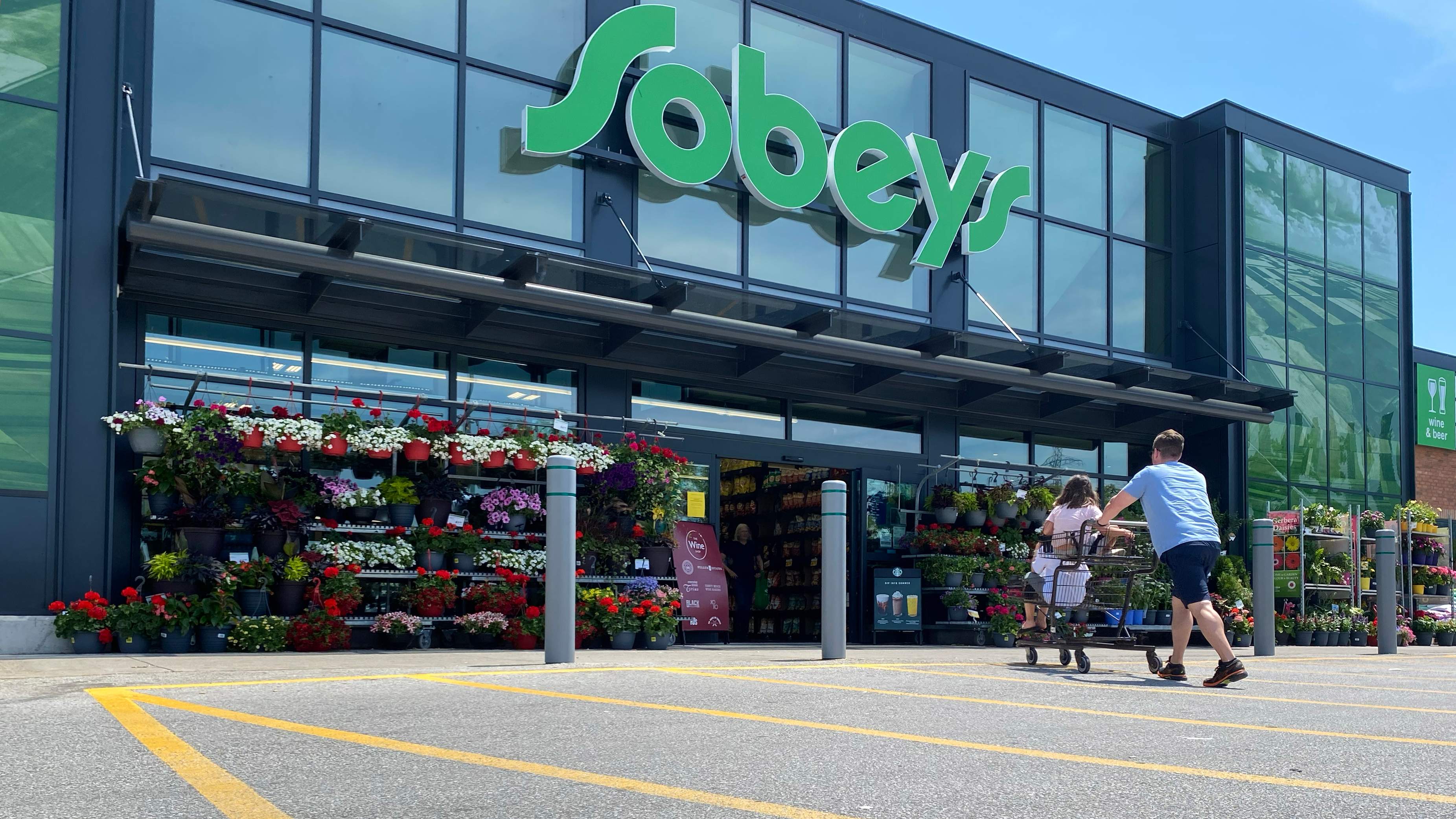
The modern grocery supply chain is a marvel of efficiency until it becomes a delivery system for pathogens. On April 8, 2026, the Canadian Food Inspection Agency (CFIA) dropped a hammer that should make every weekend shopper pause. Sobeys Capital Inc. initiated a sweeping recall of various prepared food items and cheese products across nearly every province in Canada. The culprit is Listeria monocytogenes, a hardy, opportunistic bacterium that turns a routine pasta salad into a high-stakes gamble for the elderly and the immunocompromised.
While the headlines focus on the list of products, the real story lies in the systemic vulnerability of the "grab-and-go" economy. This isn't just about a bad batch of cheddar; it is about the way we process, package, and distribute fresh food at an industrial scale.
The Invisible Threat in the Deli Case
Listeria is the ghost of the food industry. Unlike E. coli or Salmonella, which often signal their presence through immediate and violent symptoms, Listeria plays a long game. It can incubate for up to 70 days. By the time a consumer feels the first wave of nausea or the spike of a persistent fever, the original meal is a distant memory and the packaging has long since been hauled to the curb.
The current recall at Sobeys—and its banner stores including Safeway, Thrifty Foods, IGA, Foodland, and Co-Op—targets a specific subset of the inventory: items containing cheese. We are talking about carbonara pasta, cauliflower cakes, and seafood-stuffed pastries. For Thrifty Foods customers in British Columbia, the list is even more eclectic, touching everything from sockeye salmon stuffed phyllo to chicken and black bean wraps.
The geography of the recall is telling. It covers Alberta, B.C., Manitoba, New Brunswick, Newfoundland and Labrador, Nova Scotia, Ontario, Prince Edward Island, and Saskatchewan. Only Quebec was spared in this particular sweep. When a recall spans nine provinces and dozens of product categories simultaneously, you aren't looking at a localized kitchen error. You are looking at a supply chain fracture.
Why Cheese is the Perfect Vector
To understand why this happened, you have to look at the mechanics of cross-contamination. Listeria loves cold, damp environments. It thrives in the very refrigeration units designed to keep our food safe. In a high-volume processing facility, a single contaminated wheel of cheese can wreak havoc.
When that cheese is sliced, diced, or crumbled for use in "value-added" products like stuffed mushroom caps or salmon pinwheels, the bacteria hitch a ride on every surface they touch. Knives, cutting boards, and automated assembly lines become vectors. If the facility’s sanitation protocols miss even a microscopic colony, the pathogen can establish a biofilm—a protective layer that makes the bacteria incredibly resistant to standard cleaning agents.
The industry refers to this as "post-pasteurization contamination." The cheese might have been perfectly safe when it left the vat, but the moment it was handled for secondary processing into a "cauliflower cake," the risk profile shifted.
The Prepared Food Trap
Grocery giants like Sobeys have leaned heavily into the prepared foods sector. It’s where the margins are. A block of cheese is a commodity; a "halibut stuffed phyllo pastry" is a premium lifestyle solution. But that premium price tag comes with a hidden cost of complexity.
The more ingredients you add to a single SKU, the more points of failure you introduce. Each component—the fish, the pastry, the cheese, the spices—comes from a different supplier. Tracking the exact source of a Listeria hit in a multi-ingredient product is a forensic nightmare.
In this instance, the CFIA categorized this as a Class 1 recall. That is the highest level of urgency. It means there is a high risk that consuming the food will lead to serious health consequences or death. Even though no illnesses have been reported as of early April, the aggressive nature of the recall suggests the bacterial counts found during routine testing were high enough to bypass the "wait and see" approach.
The Economic Aftermath
For Sobeys, the immediate hit is the loss of inventory and the logistical cost of pulling thousands of units from shelves across the country. But the deeper wound is to the brand's reliability. The grocery market is currently defined by a "flight to quality" as food prices remain a primary concern for Canadian households. When consumers are paying $12 for a pasta salad, they are paying for the convenience of not having to worry about their safety.
We are seeing a trend where the infrastructure of our food system is being pushed to its limit. Facilities are running longer hours with tighter turnaround times. When you combine that pressure with a pathogen that can survive in a freezer, you create a powder keg.
What Consumers Must Do Now
The advice to "throw it out or return it" sounds simple, but it ignores the reality of how people eat. Most people don't keep their grocery receipts for a wrap they bought on Tuesday. If you have any prepared items in your fridge from a Sobeys-owned store with a best-before date up to and including April 8, 2026, the risk is not worth the $8 saved.
Listeria does not make food look, smell, or taste spoiled. It is a silent invader. If you have consumed these products and develop a stiff neck, severe headache, or muscle aches, do not wait for the symptoms to pass. The infection can lead to septicemia or meningitis. For pregnant women, the risk is even more localized and devastating: the bacteria can cross the placental barrier, leading to miscarriage or stillbirth even if the mother only feels mildly ill.
This recall is a reminder that the convenience of the modern deli counter is built on a foundation of rigorous, often invisible, safety protocols. When those protocols fail, the entire system of trust between the retailer and the kitchen table evaporates. The Sobeys recall isn't just a logistical hiccup. It is a warning shot for an industry that has prioritized "preparedness" over the fundamental mechanics of food safety.
Check your fridge. Check the dates. Don't assume that because it looks fresh, it is safe.