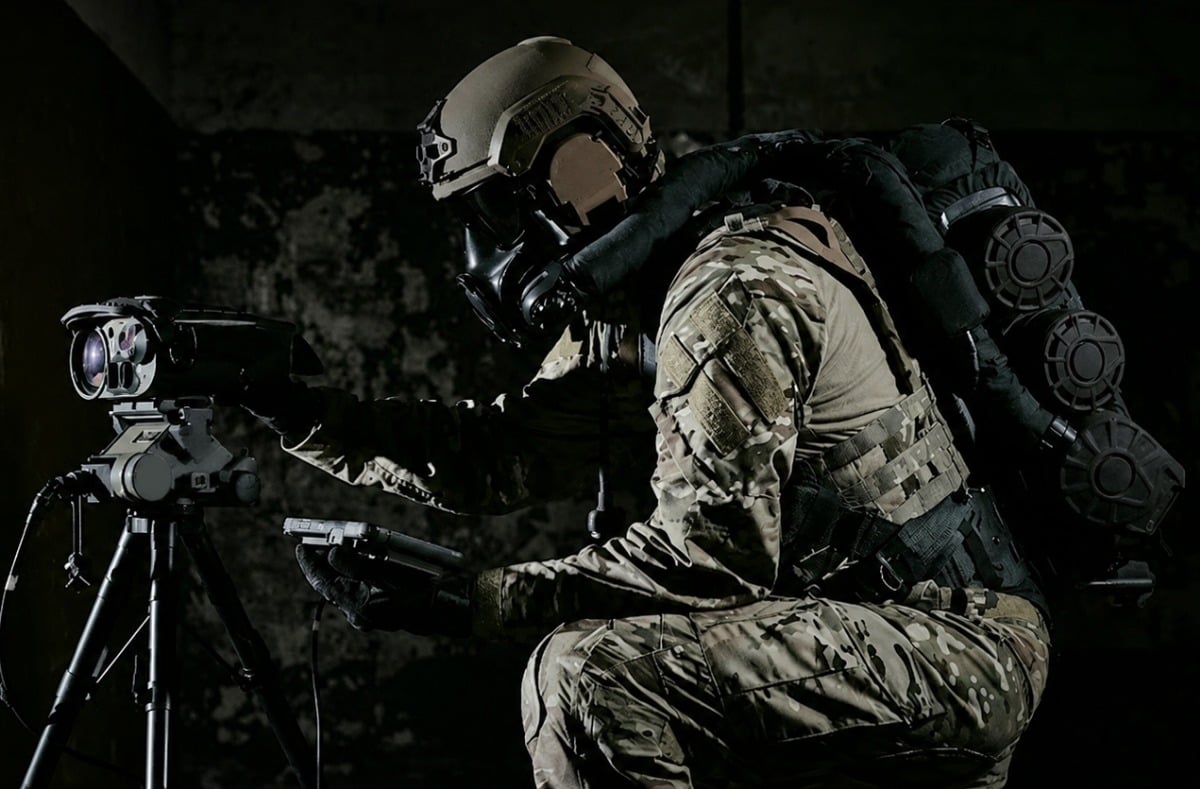
The United States Army just locked in a 40 million dollar order for next-gen combat helmets. On paper, it sounds like a straightforward procurement win designed to keep frontline infantry safer from battlefield hazards. Dig beneath the press release fluff, however, and you find a deeply complex, high-stakes technological struggle. This massive spending package aims to fix a critical flaw that has plagued infantry gear for a generation, balancing the desperate need for weight reduction against the terrifying realities of modern high-velocity ballistic threats.
The military industrial complex loves big numbers and clean narratives, but the reality on the ground is rarely tidy. For the past two decades, infantry troops have operated as walking Christmas trees, weighed down by ever-increasing amounts of body armor, advanced optics, communications gear, and night-vision devices. The human neck has reached its absolute structural limit. By analyzing this latest multi-million dollar defense contract, we can trace exactly how the Pentagon plans to completely overhaul head protection, the industrial compromises required to get there, and the lingering vulnerabilities that even 40 million dollars cannot fully solve. If you enjoyed this post, you should read: this related article.
The Weight Penalty Killing Infantry Mobility
Foot soldiers are carrying far too much weight. Decades of counter-insurgency warfare in Iraq and Afghanistan forced the military to prioritize maximum protection against improvised explosive devices and sniper fire. Every threat upgrade meant adding another layer of heavy ceramic or dense aramid fiber. The result was a heavily armored, slow-moving soldier prone to chronic skeletal fatigue before ever making contact with an enemy force. For another perspective on this event, see the recent coverage from The Washington Post.
The legacy Advanced Combat Helmet and its direct successors did their job against traditional fragmenting shrapnel. They failed miserably at staying light enough to prevent long-term neck injuries. A standard infantryman frequently carries upwards of 100 pounds of gear during extended patrols. When a substantial portion of that burden sits directly on the skull, basic situational awareness degrades rapidly. A tired soldier cannot scan windows efficiently, reacts slower to ambush threats, and burns through stamina at an unsustainable rate.
To solve this, defense contractors had to abandon traditional materials. The newly ordered next-gen combat helmets rely heavily on Ultra-High-Molecular-Weight Polyethylene, a specialized synthetic polymer with incredibly long molecular chains that transfer loads far more efficiently than older aramid weaves. This material shift allows engineers to slash total helmet weight by roughly 40 percent while maintaining or exceeding legacy fragmentation protection standards.
The Zero Bolt Dilemma
Every single hole drilled into a ballistic shell creates an instant structural vulnerability. Traditional combat helmets require drilling through the protective composite material to mount night-vision shrouds and accessory side rails for lights or cameras. When a round strikes near these bolt holes, the energy transfers poorly, often causing the surrounding material to delaminate and crack prematurely.
The latest next-gen combat helmets solve this through a strict boltless design framework. Instead of puncturing the ballistic shell, manufacturers utilize advanced molded retention systems and exterior epoxy-bonded tracking to clip mandatory electronics and chin straps directly onto the helmet exterior.
This engineering choice is not just an incremental upgrade. It completely alters how the helmet reacts under a direct ballistic strike. By maintaining an unbroken, seamless shell structure, the kinetic energy from an impacting round disperses evenly across the entire surface area of the polyethylene matrix. The shock wave flattens out, drastically reducing the severe blunt-force trauma that can kill a soldier even if the helmet successfully stops bullet penetration.
Surviving the Invisible Killer of Backface Deformation
Stopping a bullet is only half the battle. When a high-velocity round slams into a synthetic helmet shell at 2,000 feet per second, the material deforms inward toward the skull instantly. This phenomenon, known across the defense industry as backface deformation, can cause fatal skull fractures, massive internal bleeding, or permanent traumatic brain injury even when the outer skin of the helmet remains completely unpierced.
The true test of this 40 million dollar procurement package lies in how these next-gen systems mitigate that inward compression. Older polyethylene variants were notorious for showing significant backface signature when struck by rifle-caliber rounds. To pass rigorous testing, these newer models utilize variable-density interior suspension pads that act as mechanical crumple zones.
Consider a hypothetical scenario where an infantryman is struck by an intermediate rifle round. The outer polyethylene shell catches the projectile, expanding and flexing inward. The specialized interior foam pads compress completely, absorbing the residual kinetic energy and distributing the localized punch across the wider curvature of the skull rather than allowing a single point of catastrophic bone impact.
The Cold Reality of Near Peer Warfare
The strategic shift away from counter-insurgency toward potential large-scale conflicts against near-peer adversaries has forced a complete rewrite of head protection requirements. For years, protecting a soldier against low-velocity handgun rounds and stray artillery fragments was considered acceptable. That era is definitively over.
Modern battlefields are saturated with high-velocity infantry rifles, advanced marksman platforms, and air-bursting shrapnel designed to penetrate standard-issue gear. This shifts the engineering requirement from basic protection to true rifle-rated defense.
Achieving a true rifle-rated helmet without making it heavy enough to break a soldier's neck requires balancing material thickness perfectly. If the polyethylene layer is too thin, rifle rounds zip straight through. If it is too thick, the mobility benefits disappear instantly, leaving the soldier right back where they started decades ago. The current 40 million dollar order represents the military's bet that material science has finally reached the sweet spot where lightweight polymers can reliably deflect full-power military rifle cartridges.
Supply Chain Bottlenecks and Industrial Realities
Placing a 40 million dollar order is easy for the Pentagon. Mass producing thousands of flawless, military-grade polymer shells to exact tolerances inside domestic factories is a completely different story. Ultra-High-Molecular-Weight Polyethylene requires highly precise, high-pressure molding cycles that cannot be rushed without introducing microscopic air pockets into the finished ballistic layers.
The defense industrial base inside the United States has shrunk dramatically over the past several decades. Only a handful of specialized domestic manufacturing facilities possess the heavy industrial presses and cleanroom environments required to handle these advanced polymers safely.
Any disruption in the supply of raw precursor chemicals or a single calibration error in the high-pressure thermal molds can immediately derail delivery timelines. If production lines slow down, older legacy units must remain in service far longer than planned, creating a multi-tiered equipment gap where front-line units receive elite next-gen combat helmets while support structures and reserve elements continue to train with heavy, outdated gear.
The Persistent Vulnerability of the Unprotected Face
Even the most advanced, expensive helmet system in human history leaves the vast majority of a soldier's face completely vulnerable to incoming fire. While optional add-on ballistic visors and lower jaw guards exist within the system design, troops on the ground almost universally reject them during active field operations.
These face shields degrade breathing comfort, cause protective eyewear to fog up constantly, and severely limit a soldier's clear line of sight when looking down the optics of an issued weapon. As a result, the military continues to accept a stark compromise. The top and back of the head remain heavily armored by advanced space-age polymers, while the eyes, nose, and jaw stay exposed to every piece of flying debris on the modern battlefield.
This trade-off underscores the fundamental reality of military procurement. There is no such thing as perfect protection. Every piece of equipment issued to an infantryman represents a calculated gamble between survival, weight, and basic operational utility. This latest 40 million dollar contract does not magically solve the inherent dangers of close-quarters combat, but it definitively moves the needle, ensuring that the next generation of infantry enters the field carrying less weight on their shoulders without leaving their brains unprotected against modern ballistic threats.