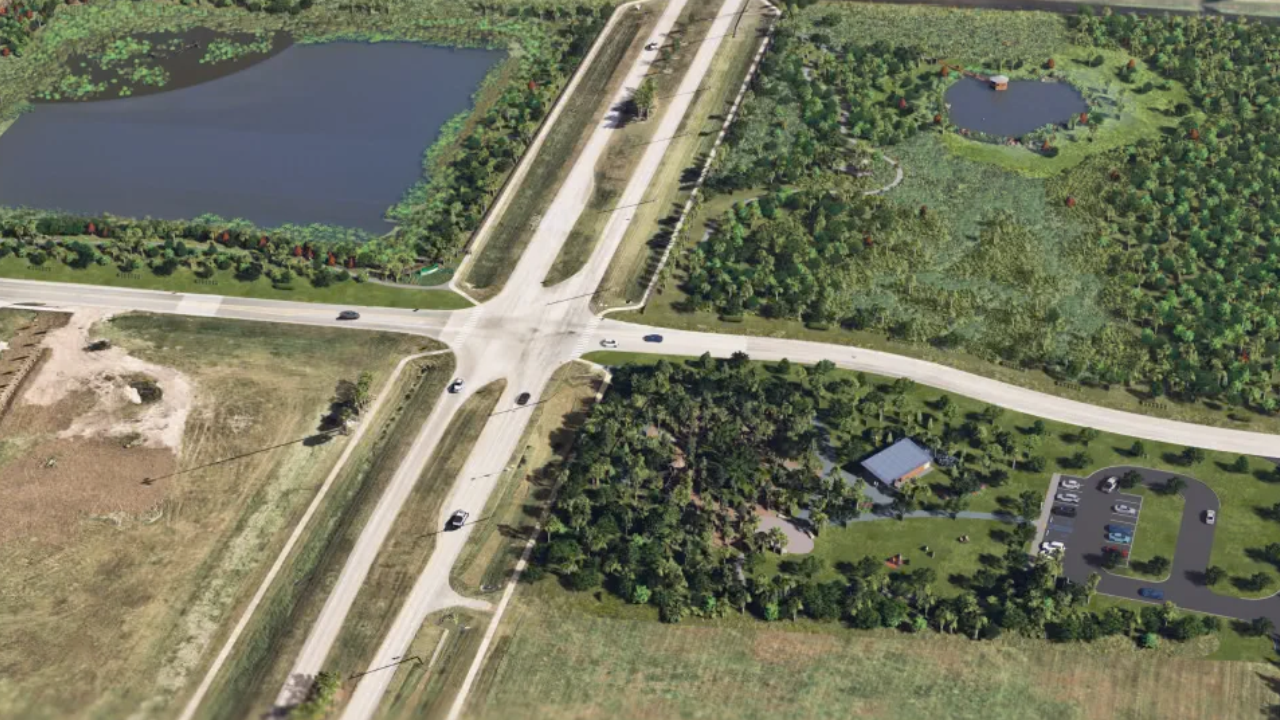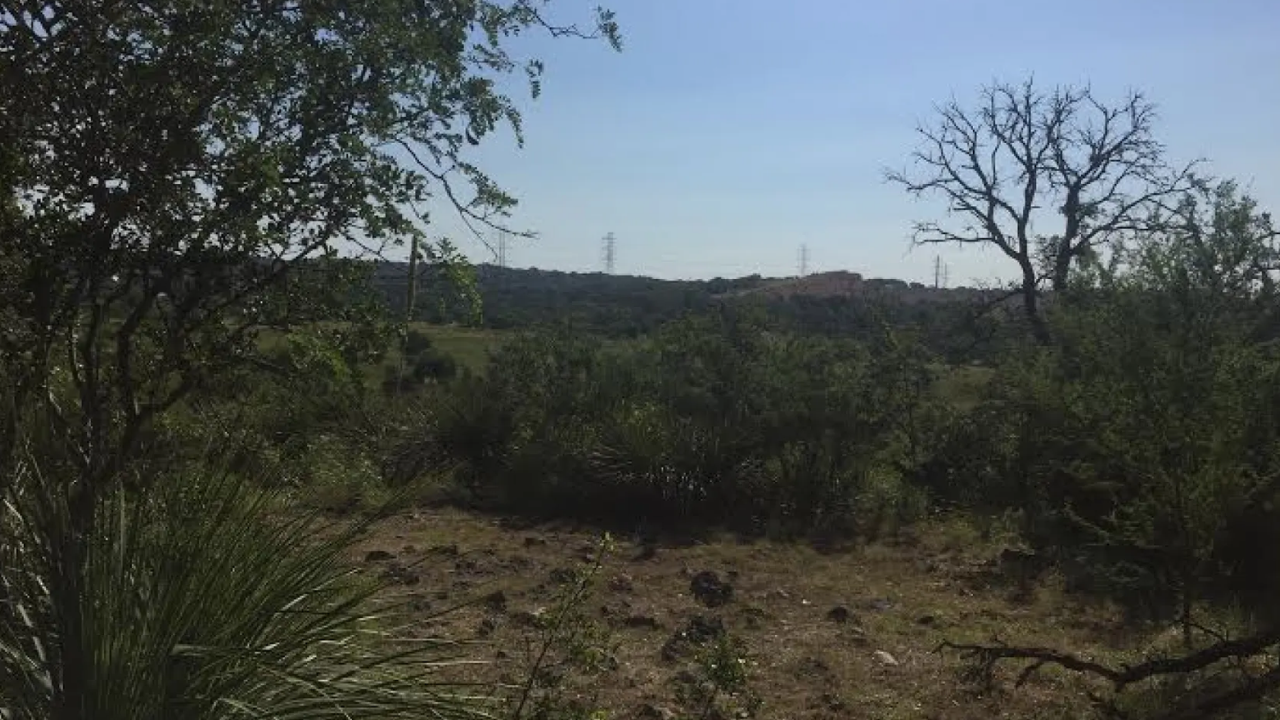
Spending $10 million to stop 3,500 homes feels like a victory. It isn't. It's a band-aid slapped onto a leaking dam.
Every time a city drops millions on a land acquisition to block housing over a sensitive watershed, the applause starts on cue. Conservationists celebrate. Headlines frame it as a decisive blow against sprawl. Politicians pose next to wildflowers and declare the aquifer safe. If you enjoyed this piece, you should check out: this related article.
I've watched municipal leaders play this exact hand for years, and I've seen cities blow tens of millions of dollars chasing the same mirage while the underlying math of growth and hydrology quietly punishes them. Buying a parcel of land over the Edwards Aquifer recharge zone is a tangible trophy. Stopping a subdivision feels heroic. Yet treating land buyouts as a silver bullet for groundwater protection ignores how karst geology works, how housing markets behave, and how public budgets get stretched thin.
The lazy consensus goes like this: fewer houses on top of the aquifer equals cleaner, more abundant water underneath it. Simple. Clean. Comforting. For another perspective on this development, see the recent coverage from NBC News.
It's also dangerously incomplete.
What Everyone Gets Wrong About Karst and Impervious Cover
Let's clear up a foundational misunderstanding right out of the gate. People talk about the Edwards Aquifer as if it were a giant underground swimming pool sitting directly beneath a patch of grass, waiting to be polluted by the first lawnmower or driveway.
That's not what a karst aquifer is. The Edwards Aquifer is a complex, fractured limestone system characterized by caves, sinkholes, faults, and conduits. Water doesn't percolate slowly through fine sand like a Brita filter; in many spots, surface runoff moves rapidly through fractures and solution channels into the subsurface. Recharge happens in specific zones—the recharge zone where rain and streams enter the exposed rock, and the contributing zone upstream where runoff feeds the creeks that cross into the recharge zone.
When builders pour concrete and asphalt over a recharge zone, two things happen:
- Altered hydrology: Impervious cover changes how fast water runs off and where it goes. Concentration of runoff into detention ponds or drainage channels can alter natural infiltration patterns and push sediment, hydrocarbons, fertilizers, and road debris into vulnerable features if controls fail or aren't maintained.
- Long-term chemical and biological loading: Thousands of homes bring vehicles, pet waste, lawn chemicals, septic systems (where sewer lines don't reach), and leaky infrastructure. Over decades, even well-regulated developments add cumulative stress.
Stopping 3,500 homes removes one localized source of impervious cover and residential runoff. Nobody with a functioning brain argues that 3,500 extra driveways help water quality.
Here is the catch nobody wants to say out loud at a city council meeting: a $10 million price tag in a booming metro area doesn't buy you permanent, comprehensive watershed immunity. Do the back-of-the-envelope math. Ten million dollars sounds massive to a household. In real estate over a sensitive aquifer, it is often a down payment, a partial easement, or a single well-timed acquisition rather than a cure-all for regional growth pressures.
And what happens to those 3,500 homes?
They don't vanish into thin air. People still need places to live. Jobs still draw families into the region. When you block housing on one parcel without addressing regional housing supply or development rules elsewhere, those 3,500 homes often push outward—further into the contributing zone, onto other tracts with weaker protections, or across jurisdictional lines where a city has zero zoning authority.
Stopping sprawl on Site A can simply displace sprawl to Site B. Sometimes Site B is actually worse for regional water flows or commuter emissions.
The Wrong Question City Halls Keep Asking
When a park deal like this hits the news, the public conversation almost always orbits around a flawed question: How much land can we buy to block development?
Ask that question, and you will always feel like you're losing, because land prices in growing regions tend to outpace public acquisition funds over time. You end up playing whack-a-mole with every new plat map that crosses a planner's desk.
The sharper question is this: How do we govern land use, infrastructure, and development standards across the entire recharge and contributing zones so that protecting water doesn't depend solely on outbidding developers parcel by parcel?
Think about the difference between buying a single property and fixing the rules of the game. Acquisition is reactive and finite; regulation, design standards, low-impact development, sewer infrastructure planning, and regional coordination shape thousands of acres at once.
Imagine a scenario where a city spends $10 million buying a single tract while leaving permissive zoning, lax stormwater enforcement, or uncoordinated extraterritorial jurisdiction policies intact across tens of thousands of surrounding acres. You get a great park. You still have a system-wide vulnerability.
Conversely, imagine a scenario where a city pairs targeted land acquisition with strict impervious-cover caps, enforced buffer zones around recharge features, mandatory maintenance inspections for water-quality controls, and smart infill incentives closer to existing infrastructure. Suddenly, your dollars stretch further because you aren't relying exclusively on checkbook conservation to hold back the tide.
Hydrologists and water-resource economists—from researchers at the Edwards Aquifer Authority to university watershed specialists—have pointed out for years that groundwater sustainability is a system problem. Surface protection, pumping limits, drought management, and land stewardship all interact. Treating one land deal as the main event confuses a tactic with a strategy.
Dismantling the "People Also Ask" Traps
Whenever a high-profile conservation buyout makes headlines, the same predictable questions flood search bars and comment sections. Most of them smuggle in bad assumptions.
Does stopping a subdivision guarantee clean drinking water?
No. Guaranteeing clean water requires far more than keeping bulldozers off one piece of ground.
Even on undeveloped or parkland property, wildfires, drought, invasive species, feral hogs, illegal dumping, and upstream agricultural or commercial runoff can affect water quality and flow. Plus, groundwater quality isn't static—it reflects decades of surface activity, drought cycles, and aquifer dynamics. Buying land reduces one set of risks; it doesn't hand you a permanent shield against every threat in the watershed.
Is buying land a waste of taxpayer money if it only stops one project?
Not automatically, provided you're honest about what you actually bought.
Public parks and open space deliver real value beyond water protection: flood mitigation, heat-island relief, wildlife habitat, and places for residents to walk, run, and breathe without paying a cover charge. If a city buys land only pretending it solves regional growth or aquifer protection, that's sloppy thinking. If a city buys high-value land strategically—as part of a broader watershed plan with clear maintenance funding—it can be a smart piece of the puzzle.
Why don't cities just ban all building over sensitive recharge zones?
Because property rights, state law, political coalitions, and housing affordability collide head-on.
Outright bans without compensation trigger steep legal pushback and takings battles. Tight restrictions that drive up housing costs face fierce resistance from builders, business groups, and residents already squeezed by rising rents and mortgages. When environmental protection and housing affordability are framed as a zero-sum cage match, politicians look for middle-ground deals—like buying a tract for a park—that let everyone claim a win.
Where My Contrarian Stance Can Bite You
I wouldn't trust an analyst who pretends their own argument has zero blind spots. Pushing back against land-buyout hype carries real risks if you take it too far.
First, if you mock every $10 million acquisition as "not enough," you can accidentally hand ammunition to people who want zero protection and zero public investment. Incremental wins matter in local politics. Sometimes a single park deal builds the coalition and public momentum needed to pass tougher rules later.
Second, waiting around for grand policy overhauls while bulldozers are already grading a sensitive site is a great way to lose irreplaceable land forever. Once a recharge feature is paved over or altered, you don't get a do-over next budget cycle. Strategic acquisitions do lock in permanent open space when the timing and geology line up.
Third, dismissing housing supply concerns to protect land—or dismissing watershed limits to build more houses—both create messes. A city that ignores aquifer limits faces severe water stress down the road. A city that blocks housing everywhere without creating realistic alternatives pushes families farther out and drives up living costs.
What Actually Works When You Want Results
If you care about both real water protection and a functional, affordable city, stop cheering every headline buyout and start demanding harder, smarter moves.
- Audit the whole watershed, not just the headline parcel. Look at where the real recharge features sit, where upstream runoff originates, and where development is actually heading over the next 20 years—not just this quarter.
- Fund enforcement, not just ribbon-cuttings. Rules on paper mean nothing without inspections, maintenance guarantees on detention and filtration systems, and real consequences when developers or property owners cut corners.
- Pair land protection with urban infill. If you want fewer subdivisions chewing up sensitive land on the edge of town, make it easier, faster, and cheaper to build smart, compact housing where pipes, roads, and jobs already exist.
- Count the ongoing maintenance bill. A park isn't free after closing day. Trails, invasive species control, security, and watershed monitoring cost money every single year. Budget for decades, not press releases.
A $10 million park deal can give you a trail to walk on and a patch of green to admire. Real watershed protection takes boring rules, tough enforcement, regional coordination, and the discipline to look past the ribbon-cutting.