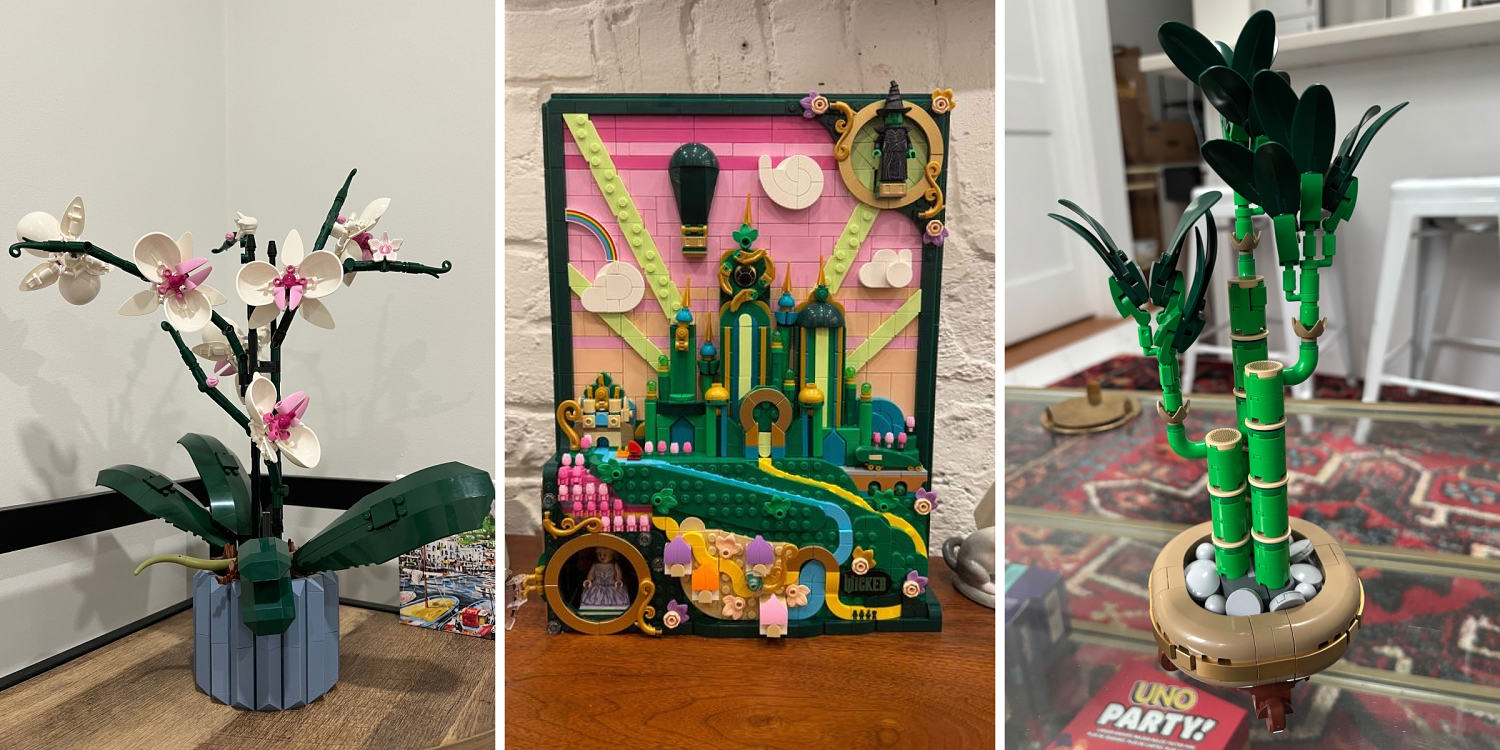
The internet has collectively agreed on a comforting lie. If you want to escape the suffocating glow of your phone or laptop after a grueling ten-hour workday, you are supposed to buy a four-hundred-dollar plastic spaceship, sit at your kitchen table in dead silence, and snap tiny bricks together for six hours.
Lifestyle columnists call it mindful decompression. Toy conglomerates call it a booming market segment targeted at stressed professionals seeking analog refuge.
They are all wrong.
Buying high-end plastic brick kits to cure digital fatigue is not a restorative hobby. It is just another consumption trap disguised as nostalgia. You are trading screen-induced paralysis for manual labor paralysis, paying a massive markup for petrochemicals, and mistaking the assembly of a pre-engineered corporate product for genuine creativity.
If your goal is a true screen-free night that actually repairs your fractured attention span, you need to stop buying collector boxes and start confronting why you need plastic training wheels to keep yourself occupied.
The Mirage of Analog Productivity
Let us look at the standard consumer logic. The narrative goes that screens rot your brain, while physical manipulation of objects restores cognitive health. Proponents point to the tactile sensation of clicking pieces together, the satisfaction of following a step-by-step booklet, and the eventual display piece that sits proudly on a shelf as proof of your analog achievement.
This logic collapses the second you examine what you are actually doing.
When you open a massive adult-targeted set, you are not engaging in open-ended creation. You are executing instructions. You are performing paint-by-numbers engineering. Every single piece has a designated spot. Every angle is predetermined by a Danish design team working in Billund. There is zero room for error, zero room for improvisation, and zero demand for original thought.
You are following an algorithm printed on heavy matte paper instead of one glowing on an OLED monitor.
The psychological reward loop is identical to the one you are trying to escape. You chase the dopamine hit of finishing bag number three. You check off steps. You monitor your progress against the remaining pages. It is task-completion addiction repackaged in primary colors. You have merely swapped one corporate feed for another, more expensive instruction manual.
I have watched otherwise sharp adults spend entire weekends hunched over coffee tables building massive architectural replicas, muttering about missing pieces and misaligned pins, only to slide the finished product onto a crowded bookshelf where it collects dust for the rest of its natural life. That is not relaxation. That is an unpaid factory shift.
The Real Cost of Corporate Nostalgia
Let us talk about the economics of this wellness trend. The pricing model for adult-oriented construction toys has skyrocketed over the past decade. Companies realized they could market directly to high-earning millennials and Gen Xers with disposable income by slapping an age rating of eighteen-plus on boxes and jacking up the price per brick.
You are paying an exorbitant premium for intellectual property licensing. Star Wars, Marvel, Lord of the Rings, and automotive brand partnerships drive the cost straight through the roof. You are not buying raw creative potential; you are buying a branded status symbol made of ABS plastic.
Compare this to actual analog hobbies that demand genuine cognitive friction. Woodworking forces you to deal with grain direction, warping, and imperfect measurements. Drawing requires you to confront a blank white page without a safety net of numbered bags. Cooking from scratch without a recipe demands sensory calibration, timing, and failure management.
Plastic bricks offer none of these friction points. They are engineered to succeed. The tolerances are so precise that failure is practically impossible unless you actively decide to throw pieces across the room. That lack of friction is precisely why it feels so hollow afterward. Real mental recovery requires engaging with an unpredictable medium, not a foolproof consumer good that treats you like a child following flat-pack furniture assembly diagrams.
The Attention Span Paradox
People turn to these projects because their attention spans have been shredded by short-form video feeds and constant notifications. They want something that demands sustained focus for hours at a time.
Building a giant plastic vehicle certainly requires focus, but it is hyper-narrow, passive focus. It is the exact same kind of focus required to assemble an IKEA wardrobe or sort a drawer of screws. It numbs the mind rather than exercising it.
True cognitive restoration requires diffuse thinking. When you stare at a screen all day, your brain's executive function networks are fried from continuous partial attention and rapid context switching. What your brain actually needs during a screen-free evening is unstructured downtime, physical movement that isn't tethered to a product, or deep, creative output where the rules aren't handed down by a multinational corporation.
When you spend four hours matching color codes to a manual, your brain stays trapped in a compliance loop. You are still taking orders. You are just taking orders from a cardboard box instead of an email inbox or a Slack channel.
What You Should Do Instead
If you genuinely want to reclaim your evenings from digital intrusion, you need to abandon the retail therapy aisle entirely. Here is how you actually build a screen-free routine that doesn't treat your intelligence like a consumer market.
Build Without a Manual
If you insist on using plastic bricks, throw away the instruction booklet. Dump twenty pounds of mixed pieces onto the floor and build something functional. Design a bracket for your desk, a custom storage box, or an abstract sculpture that serves no purpose other than expressing an original idea. The moment you remove the instructions, you transition from a compliant consumer to an actual creator.
Embrace High-Friction Hobbies
Pick up an activity where mistakes leave permanent marks. Learn to cook a complex dish without looking at a screen or a cookbook. Pick up a musical instrument and struggle through awkward chord transitions. Buy a sketchbook and draw the room around you, proportion errors and all. The anxiety of imperfection is the exact antidote to digital numbness.
Do Nothing
The most radical screen-free act available to modern humans is absolute, unadulterated boredom. Sit on your couch without music, without a podcast, without a brick separator tool, and let your mind wander. Let your thoughts collide, settle, and resolve themselves without external stimuli filling every micro-second of silence.
The next time someone tells you to buy an expensive box of plastic parts to save your sanity, ask yourself if you are actually looking for peace or just another excuse to buy something shiny. Put down the manual. Close the browser tab. Turn off the lights and sit in the quiet room. You do not need another product to fix the damage caused by the last one.