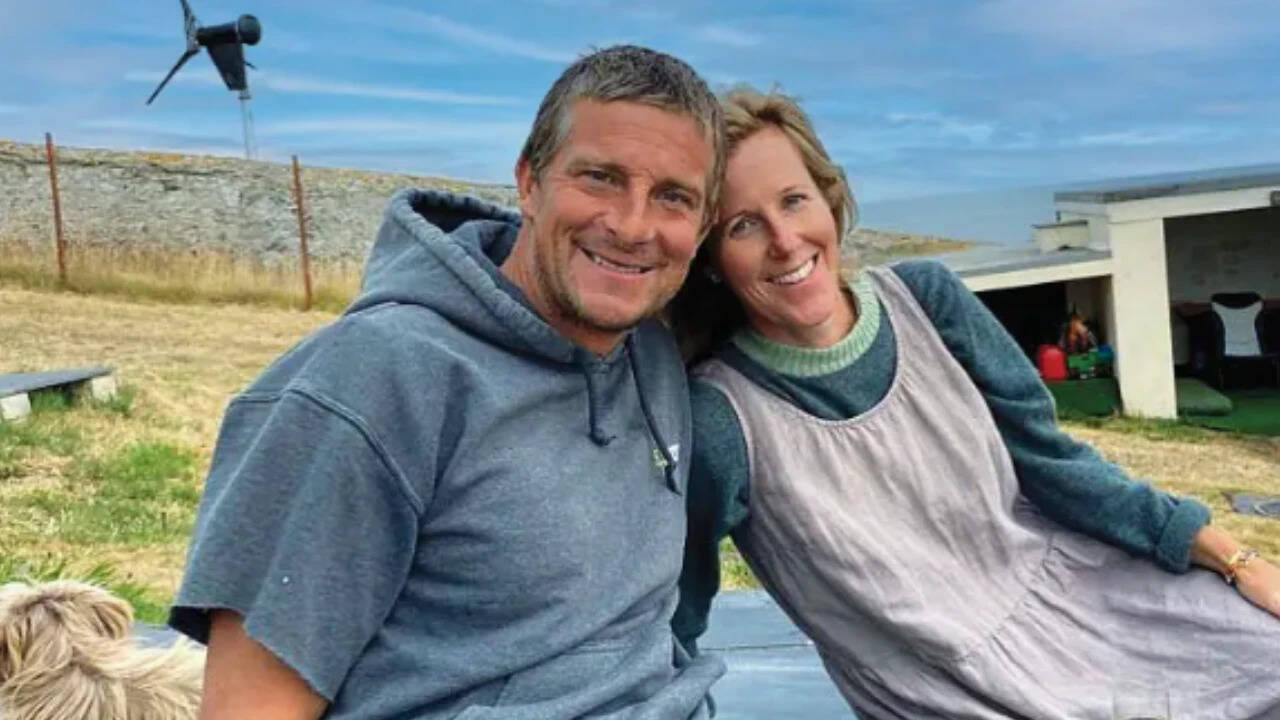
Every few years, the media runs the same romanticized fairy tale. Some celebrity or hardened adventurer drops a six-figure sum on a speck of rock off the coast of Wales, rebuilds a rotting stone cottage, and sells the public on the myth of modern Robinson Crusoe self-sufficiency. In 2001, Bear Grylls famously purchased St Tudwal's West for ninety-five thousand pounds, spinning it as a rugged masterclass in escaping the grid and conquering isolation.
The lazy consensus is simple: own your land, cut the cord, win capitalism. Meanwhile, you can find similar developments here: When Clay Remembers What Concrete Forgot.
It is complete nonsense.
I have watched enough romantic buyers burn through capital trying to play feudal lord to know that buying a private island is not an achievement. It is a financial hostage situation wrapped in a vanity project. When you write a check for a lump of dirt surrounded by salt water, you do not buy freedom. You buy an endless, unhedged operational liability with zero liquidity. To see the bigger picture, we recommend the excellent article by Glamour.
Let us dismantle the fantasy.
The Logistics Delusion And The Cost Of Nothing
The fundamental error in the island ownership myth is assuming that isolation equals independence. In reality, isolation is just a massive multiplier for friction and cost.
When your primary point of access depends on a tide table, a riptide, and whether an outboard motor feels like cooperating, your supply chain ceases to exist. You are no longer living off the land; you are running a high-stakes logistical military operation just to get a tank of propane or a bag of concrete delivered without sinking a boat.
Consider the infrastructure math. A standard home renovation in a suburban center hits friction with zoning boards and contractor availability. Put that same house on a remote island exposed to North Atlantic gales, and every structural decision becomes an exercise in marine engineering. Salt spray eats electrical wiring. Unrelenting wind hammers roofs with a force residential builders never calculate. Every single contractor you hire has to charge hazard and transit pay just to step foot on your pier, assuming the weather allows them to cross.
Grylls made his purchase sound like an exercise in grit. Grit is great until your sewage management system fails during a force-eight gale and you realize that municipal infrastructure is one of humanity’s greatest, most underappreciated inventions.
Liquidity Is Oxygen
We need to talk about asset classes, because calling a remote island an investment property is a financial hallucination.
Real estate agents love to whisper about land scarcity. They tell you they are not making any more islands. True enough. But they are also not making many buyers who want a damp, wind-whipped rock with zero commercial zoning, high maintenance overhead, and a restricted pool of potential future purchasers.
Liquidity is the oxygen of wealth. When you tie up capital in an illiquid novelty asset, you suffer from massive opportunity cost. If you sink one hundred thousand pounds into a Welsh island two decades ago, plus another two hundred thousand in structural restorations, transport barges, and emergency repairs, you have locked up capital that could have compounded productively in global equities or productive commercial ventures.
Instead, your money is literally rusting in the salt air.
If you need to exit quickly, good luck. The market for private islands in the UK or similar temperate zones is microscopic. You are waiting for a very specific type of eccentric buyer who possesses both high liquidity and low common sense. Until they show up, you are stuck paying insurance premiums that reflect the near-impossibility of emergency rescue or disaster recovery.
The Myth Of True Off Grid Autonomy
The narrative surrounding these purchases always leans heavily on self-reliance. You generate your own power, catch your own rainwater, and thumb your nose at the establishment.
This is a aesthetic performance, not a practical reality.
True autonomy does not mean living like a medieval peasant with solar panels. Modern human survival requires a vast, invisible web of specialization. When you isolate yourself on an island, you do not escape the system; you merely isolate yourself from its benefits while retaining its dependencies. You still need manufactured solar inverters built in factories thousands of miles away. You still need imported parts when a wind turbine blade shears off in a winter storm.
You have not beaten the system. You have simply made your supply chain brittle, expensive, and entirely dependent on fossil fuels burned in transport boats just to keep your lights on.
What To Do Instead
If your goal is genuine independence, psychological reset, or a clever hedge against modern noise, buying an island is the most inefficient way to achieve it.
Lease a remote cabin for a month every year. Let someone else deal with the rotting timber, the marine corrosion, and the coast guard dispatches. You get the romantic solitude without the balance sheet anchor dragging down your financial flexibility.
If you simply must own property, buy productive land with road access, municipal water, and high-speed fiber internet. Build a compound where you can grow food, store energy, and host people without needing a marine forecast just to fetch groceries.
Real power is not about retreating to a defenseless rock where nature reminds you daily of your insignificance. Real power is having options, liquidity, and the freedom to move capital wherever it works best.
Stop romanticizing the rock. Keep your cash fluid, keep your supply lines short, and let the adventurers keep their lonely islands.