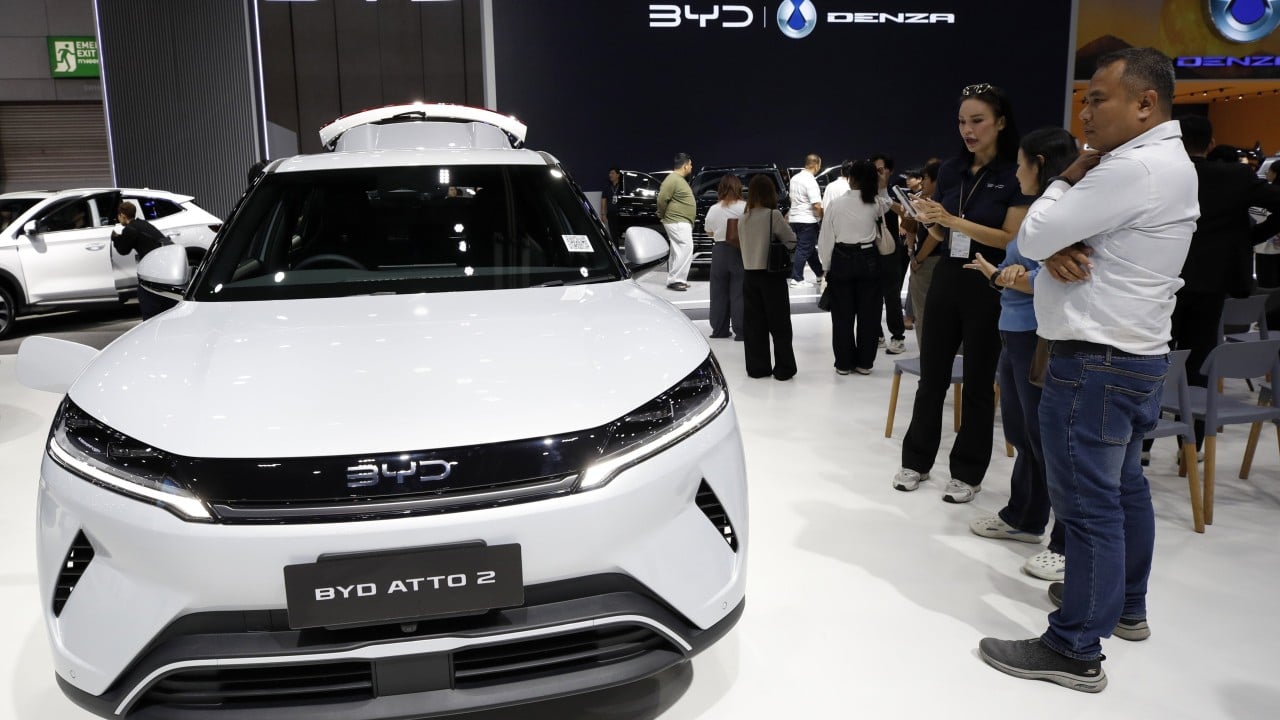
BYD just pocketed a massive US$1.2 billion net profit for the second quarter. If you think this is just another boring corporate earnings report, you are missing the entire plot of the global car industry.
That figure represents a sharp 30 percent jump compared to the same period last year. It abruptly ends a brutal five-quarter profit slide that had critics whispering about an electric vehicle bubble. How did they pull it off while rivals choked on domestic price wars? Simple. They looked past their own borders and started selling cars aggressively to the rest of the planet.
The Export Savior
China's domestic auto market is an absolute bloodbath right now. Local brands are slashing prices until nobody makes any money. Average profit margins per vehicle back home sit at a measly 5,000 yuan, which translates to roughly US$744.
Export markets tell a completely different story.
When BYD ships cars overseas to places like Europe, Latin America, and Southeast Asia, those exact same models command much higher price tags. Industry analysts point out that international profit margins can hit 20,000 yuan per vehicle—roughly four times what domestic sales bring in.
That international price premium saved the quarter. Overseas revenue surged past historic thresholds, proving that global buyers want affordable electric cars and are more than willing to purchase Chinese brands when local options fall short on price or availability.
Dodging the Domestic Trap
Most people assume that being the biggest electric vehicle manufacturer on earth means printing money effortlessly. Reality is far messier. Price wars initiated by aggressive local competitors forced a dramatic compression of margins across mainland China.
BYD survived by refreshing almost its entire vehicle lineup in record time while protecting its core manufacturing cost advantages. Vertical integration gives them a superpower most legacy automakers lack. They build their own batteries, chips, and components. When raw material costs fluctuate, they absorb the shock better than anyone else.
Even so, total quarterly revenue dipped slightly by about 3 percent to roughly 194.6 billion yuan. That tiny drop highlights a harsh truth: the home market is slowing down. Without that massive wave of international shipments, these financial results would look entirely different.
What Happens Next for Global Competition
Legacy carmakers in the US and Europe love to talk about trade barriers and tariffs as their ultimate defense. Tariffs might slow things down, but they won't stop a company making US$1.2 billion in a single quarter during a downturn.
The pressure now shifts directly to competitors like Tesla and Volkswagen. They are forced to figure out how to build cheaper electric cars while their own profit margins face constant squeeze. If you are shopping for an electric vehicle anytime soon, expect dealer incentives to get wilder as traditional giants scramble to match what BYD is doing globally.
Take a close look at your local dealership lots over the next twelve months. The shift toward affordable global electric options is already here, and quarterly profits like this ensure the expansion is only accelerating.