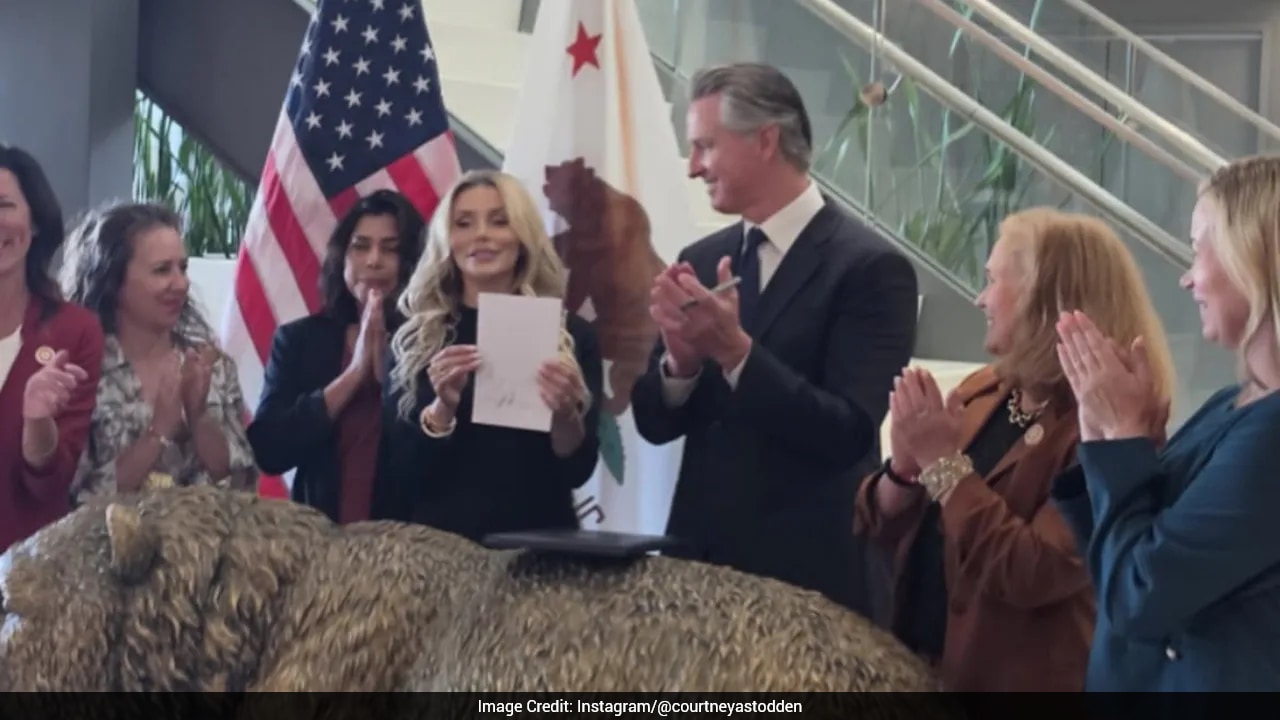
For decades, children in California could be legally married off if a parent gave consent and a judge signed off. That loophole is finally dead. Governor Gavin Newsom signed legislation closing the state's remaining loopholes, making California one of a growing number of states to completely ban marriage for anyone under eighteen.
Think about that for a second. Until this law took effect, minors could face life-altering legal and financial contracts they weren't even old enough to vote against. In similar news, we also covered: The Anatomy of Modern State Sponsored Sabotage A Case Study on RAF Fairford.
The battle to end child marriage isn't just about changing a number on a piece of paper. It's about dismantling a system that has quietly enabled abuse for generations. Let's break down how we got here, why the change matters so much, and what activists are pushing for next.
The Reality of Child Marriage in America
Most people assume child marriage only happens in remote parts of the world with weak legal systems. They don't realize it has been happening quietly in their own backyards. Between 2000 and 2018, hundreds of thousands of minors were married in the United States. The vast majority of these minors were teenage girls wedded to adult men. The New York Times has provided coverage on this important topic in great detail.
Because children under eighteen cannot legally sign contracts, open bank accounts, or retain legal counsel in most contexts, married minors faced a catch-22. If you want to leave an abusive spouse, you basically can't. You can't easily check into a domestic violence shelter because shelters often turn away minors without a guardian. You can't hire a divorce attorney because you lack legal standing.
California's new total ban removes this trap. By setting the absolute floor at eighteen with no exceptions for parental consent or judicial approval, the state has stripped abusers of a major legal shield.
Why Judges and Parents Kept the Loophole Open
For years, opponents of total bans trotted out the same tired arguments. They claimed banning minor marriage would infringe on parental rights. They pointed to pregnant teens, arguing that marriage was somehow a respectable fix for an unplanned pregnancy.
Data tells a completely different story. Most marriages involving minors in the United States involved an adult man and a minor girl, often with significant age gaps. Courts routinely rubber-stamped these petitions without real oversight. Judges trusted parental discretion, even when parents were pushing their children into unions to cover up statutory rape or secure financial arrangements.
Activists from groups like Unchained At Last spent years lobbying state legislatures, facing intense pushback from conservative groups and traditionalists who refused to see minor marriage for what it actually was: state-sanctioned child abuse.
The Domino Effect Across the Country
California joining the ban is massive, but thirty-odd states still have legal pathways for minors to marry. That creates a patchwork system where kids across state lines remain vulnerable.
When one major state acts, the cultural pressure shifts. Lawmakers in remaining states find it harder to defend laws that treat children differently depending on geographic borders. Survivors who fought for California's ban are already turning their attention elsewhere, providing testimony that strips away the abstract legal debate and lays bare the human cost.
If you want to support the movement to end child marriage nationwide, look up local advocacy groups pushing for legislative bans in your state. Call your representatives. Demand that they remove parental consent exemptions from family law codes. Protecting children shouldn't depend on where they happen to live.