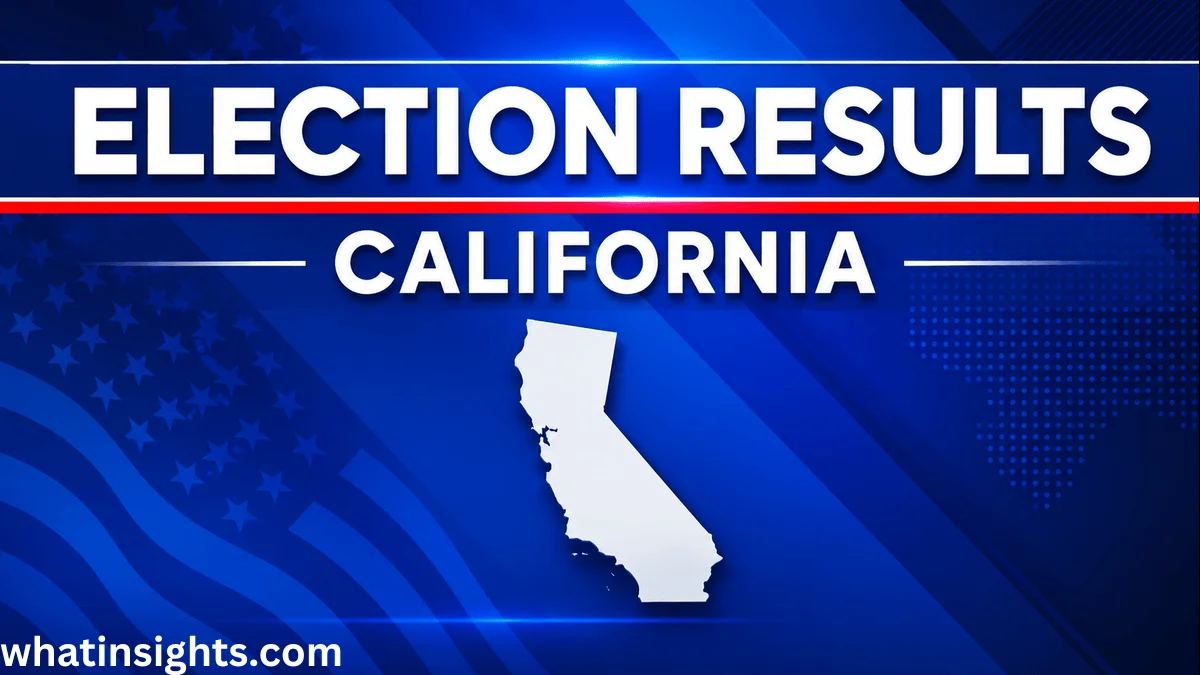
California voters were promised a fix. Back when Proposition 14 passed, proponents swore that a top-two primary system would break partisan gridlock, weaken political extremes, and force candidates to appeal to the broad middle. It sounded great on paper. But reality turned out much messier.
Instead of moderating our politics, the system frequently locks out major perspectives, leaves voters with single-party runoffs, and does nothing to fix the underlying structural chaos of California elections. If you live here, you know the frustration. You walk into the voting booth or open your mail-in ballot only to find two Democrats staring back at you for a critical statewide seat, effectively rendering the general election a partisan afterthought for half the population. For a deeper dive into similar topics, we recommend: this related article.
The Single Party Trap in Statewide Races
The core pitch of the top-two primary was simple: the top two vote-getters advance to the general election, regardless of party affiliation. Sounds democratic, right? In practice, it creates bizarre distortions.
When a crowded field of candidates divides the ideological pie, vote-splitting ruins rational outcomes. In heavily skewed districts or statewide contests, a candidate with a narrow plurality of base support can glide into the runoff simply because the opposition splintered their votes among four or five other people. For additional details on this development, detailed analysis can also be found at The New York Times.
Voters in general elections routinely face matchups featuring two candidates from the exact same party. If you belong to the opposing political party, you have zero representation on the November ballot. That is not an open system. That is disenfranchisement by design. People tune out of general elections entirely when their choices are reduced to choosing between two flavors of the same political machine.
Voter Fatigue and the Ballot Box Nightmare
Look at a typical California general election ballot. It resembles a telephone book. You get dozens of pages filled with complex propositions, competing bond measures, and endless slates of local offices.
The top-two system was supposed to simplify things by narrowing down choices. Instead, it breeds intense voter fatigue. When primary elections feature twenty different candidates for a single open seat, voters have no reliable way to evaluate competence. Name recognition and massive campaign cash win every single time. Real substantive debate gets lost in a sea of thirty-second TV spots and digital ad noise.
We built a system that rewards big money and high-profile name recognition while punishing grassroots organizers who actually understand local issues.
Why Moderation Failed to Show Up
Proponents claimed the system would elect pragmatic problem solvers. They argued that candidates would have to court independent voters and moderate members of the opposing party to survive November.
That theory ignores basic human incentives. In safe districts, politicians don't worry about the general election because they know their party holds a massive registration advantage. Their real fear is a primary challenge from their own party's ideological fringe. So instead of moderating, elected officials run to the extremes to protect their flanks during the primary phase. The top-two format didn't kill partisanship. It just changed where the purity tests happen.
Fixing the Mess We Made
We need actual structural reform instead of pretending Proposition 14 solved our democratic deficits. Other states and municipalities have experimented with ranked-choice voting or multi-member districts to give independent and minority voices a real seat at the table.
If California wants functional elections, lawmakers must reevaluate how candidates qualify, how ballots are structured, and how we count votes. Stop waiting for the current system to fix itself. Pay attention to local races, support alternative voting methods, and hold your elected officials accountable for the broken mechanics of our democracy.