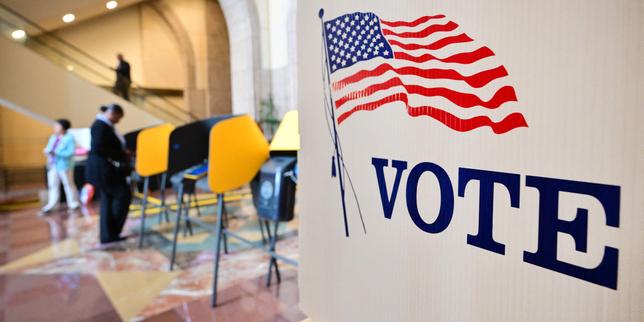
Waiting for election results is agonizing. In California, it feels like it takes forever. Days turn into weeks, and while the rest of the country wraps up its tallies on election night, the Golden State barely gets started. That massive delay just triggered a massive political firestorm.
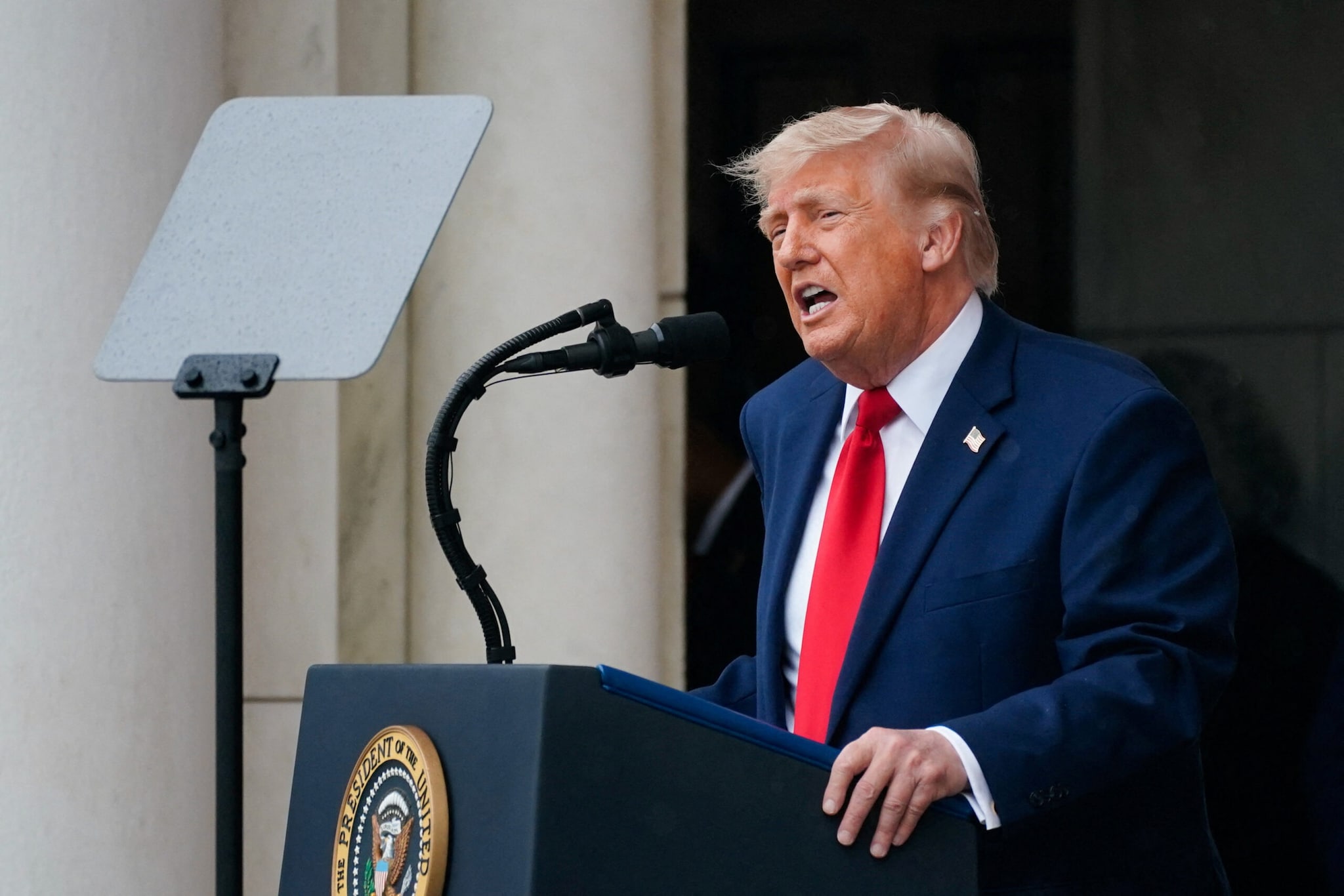
President Donald Trump hit Truth Social with late-night accusations, claiming Democrats are trying to steal the primary elections for governor and Los Angeles mayor. He blasted the "massive numbers of mail-in ballots" and claimed the system is being rigged because early leads held by his preferred candidates, Steve Hilton and Spencer Pratt, started shrinking.
The rhetoric didn't stop online. The Department of Justice escalated the situation by deploying an assistant U.S. attorney to the Los Angeles County Ballot Processing Center. Bill Essayli, the Trump-appointed first assistant U.S. attorney for the Central District of California, announced that his office, alongside the FBI, has launched multiple election fraud investigations.
Critics call this a nakedly political attempt to weaponize federal law enforcement to back up baseless conspiracy theories. Proponents argue that California’s loose rules leave the system wide open to abuse.
Let's look at what is actually happening inside the vote-counting centers, why the numbers shift so dramatically, and what the federal intervention really means.
The Logistics Behind the Slow Tally
California does things differently. The state prioritizes ballot access over speed, and the sheer volume of paper makes an instant count impossible. Every single active registered voter in the state—over 23 million people—is automatically mailed a ballot.
When you scale that out across the most populous state in the nation, you get a mountain of paper that takes weeks to climb. Local election officials aren't sitting on their hands. They're following a highly bureaucratic, legally mandated process designed to verify every vote.
The primary culprit for the delay is the mail-in ballot postmark rule. Under California law, a ballot doesn't need to arrive by Election Day. It only needs to be postmarked by Election Day and arrive at the county election office within seven days. That means hundreds of thousands of valid ballots don't even enter the building until nearly a week after the polls close.
Once those ballots arrive, the real work begins.
The Signature Verification Bottleneck
You can't just run a mail-in ballot through a scanner. Election workers must verify the signature on the outside envelope of every single mail-in ballot against the signature on the voter's registration file.
- Human Review: Trained workers check the signatures manually. If a signature matches, the envelope is approved for opening.
- The Cure Process: If a signature doesn't match, or if the voter forgot to sign the envelope, the ballot isn't thrown away. The county must notify the voter and give them an opportunity to "cure" the discrepancy so their vote counts. This legal safety net adds days to the timeline.
- Processing and Separation: Once approved, workers must physically extract the ballot from the envelope, flatten it out, remove any stray paper, and prepare it for the high-speed tabulators.
This process is slow by design. Local officials argue that rushing it compromises security, while critics claim the extended timeline undermines public confidence.
Understanding the Blue Shift
Trump's primary grievance centers on changing vote totals. Early returns showed strong performances for Republican candidates, but as the days progressed, those margins narrowed. In the Los Angeles mayoral race, incumbent Democrat Karen Bass began chipping away at Republican Spencer Pratt’s early numbers. In the gubernatorial primary, Republican Steve Hilton saw his lead over Democrats Xavier Becerra and Tom Steyer shift as late ballots were processed.
This trend isn't new, and it isn't a sign of fraud. Political scientists call it the "blue shift," and it comes down to voter behavior.
In recent election cycles, a stark partisan divide has emerged over voting methods. Republican voters heavily favor voting in person on Election Day. Those ballots are counted first, creating an early Republican advantage in the initial data drops on Tuesday night.
Democratic voters, by contrast, utilize mail-in ballots at much higher rates. Crucially, younger voters and Democratic-leaning constituencies tend to drop their mail-in ballots into collection boxes or mail them at the absolute last minute.
When election workers spend the days following the election processing those late-arriving mail ballots, the totals naturally trend toward Democratic candidates. You're not seeing votes magically appear. You're simply seeing different types of voters' ballots being counted at different times.
Federal Presence at the Ballot Center
The decision by the U.S. Attorney’s Office to deploy a federal prosecutor to observe the Los Angeles County Ballot Processing Center in the City of Industry is a major escalation.
According to Mike Sanchez, a spokesperson for the L.A. County registrar-recorder, the federal observer was given an overview of the public observation program and conducted a walkthrough of the facility. While federal monitors have historically been sent to jurisdictions to ensure compliance with civil rights laws or the Voting Rights Act, this deployment feels distinctly different.
Bill Essayli justified the investigations by pointing to what he called "serious structural vulnerabilities" in the state's framework, specifically highlighting universal vote-by-mail and the lack of strict voter ID laws.
The move has drawn furious pushback from California Democrats. Governor Gavin Newsom’s press office dismissed the fraud allegations as a lie. State lawmakers pointed out that the state recently passed legislation aimed at speeding up the count, requiring counties to finish their tallies within 13 days rather than the previous 30-day window.
There's also a cloud of legal controversy surrounding the very prosecutor launching these probes. A federal judge previously ruled that Essayli had unlawfully served as acting U.S. attorney without Senate confirmation, though he remains in place as the first assistant U.S. attorney running the office.
Navigating the Political Fallout
The tension between election accuracy and speed won't disappear anytime soon. Other Republican leaders, like Florida Governor Ron DeSantis, slammed California's timeline, calling it "pathetic" and "corrosive to our civic culture," contrasting it with Florida’s ability to process millions of votes within hours.
While Florida does enforce strict deadlines and rapid processing, California has chosen a path that prioritizes making sure every single mailed ballot is counted, even if it delays the final certification. Under the state's top-two "jungle" primary system, the top two finishers advance to November regardless of party, making the final, precise order of finish incredibly consequential in tight races.
If you want to track the legitimacy of these counts yourself, ignore the unsourced social media graphics and hyper-partisan commentary.
- Monitor Official Dashboards: Watch the official California Secretary of State website or individual county registrar pages. They publish regular updates on the number of unprocessed ballots remaining.
- Look for Unprocessed Ballot Estimates: When a candidate's lead shrinks, check how many outstanding mail-in and provisional ballots are left to count in counties where that candidate underperformed.
- Follow Bipartisan Observers: Local party chapters from both sides send observers to these processing centers. When local Republican and Democratic observers on the ground agree that the process is being handled correctly, it's a strong sign the system is working.
The federal investigation will continue to dominate the headlines, but until investigators present concrete evidence of a coordinated scheme, the shifting numbers in California are just the predictable result of a slow, paper-heavy system doing its job.