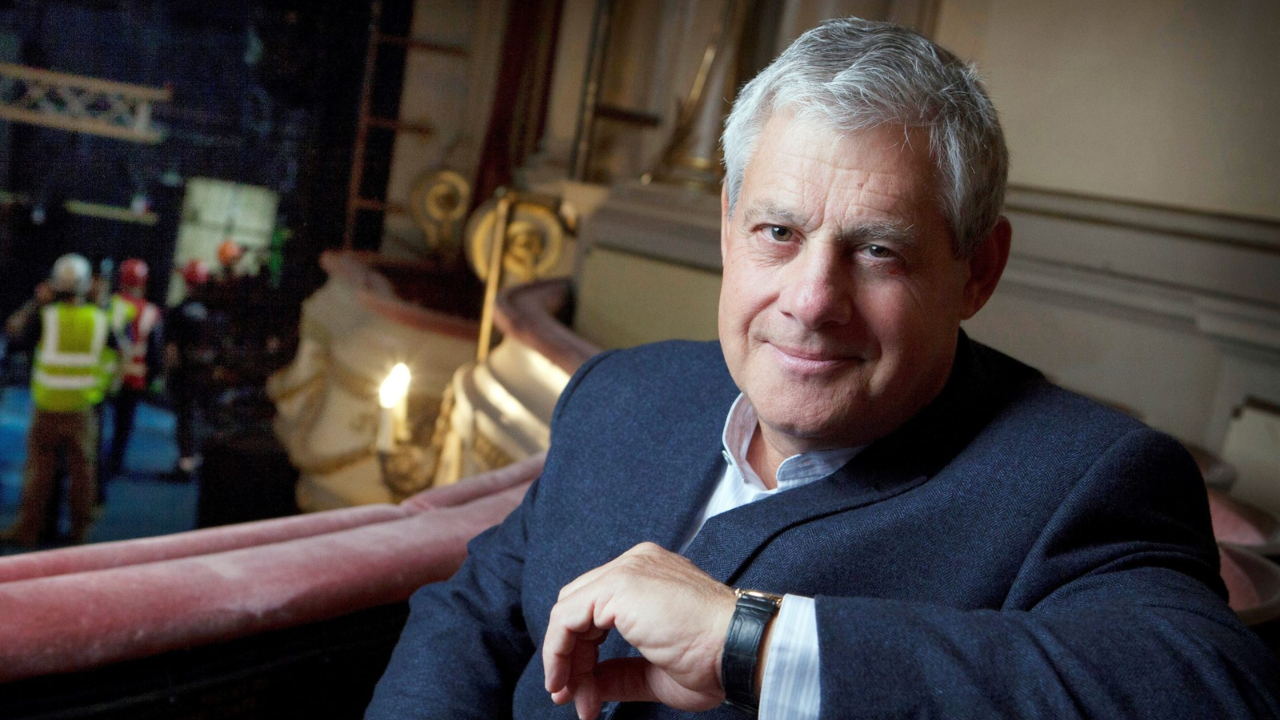
Theater producer Cameron Mackintosh donated £2 million to Denville Hall, the century-old retirement home for British actors in Northwood, London, to fund a new dementia care wing named after the late Lord Richard Attenborough.
On the surface, it is a heartwarming story about one of the West End's wealthiest men taking care of his own. Dig beneath the press release, and you find something much darker. That £2 million check is a lifeline for an industry that routinely leaves its aging workforce broke, vulnerable, and entirely dependent on private charity to survive old age.
The Myth of the Wealthy Stage Actor
The public sees red carpets, Olivier Awards, and multi-million-pound global tours. They assume anyone who spent forty years on the London stage has a comfortable pension waiting for them.
They are wrong.
Acting is a brutal, seasonal, gig-economy profession. Always has been. Before the rise of modern residuals and streaming royalties—and even now, for stage performers—the vast majority of working actors earn modest wages punctuated by long stretches of unemployment. According to industry data from Equity, the UK performing arts union, the median annual income for a working actor sits well below the national average. You cannot build a real estate portfolio or max out a private pension when you are spending six months out of every year waiting for an audition callback.
When those performers hit their eighties, the financial reality hits hard. Physical decline takes away the ability to take small character roles or voiceover work. Dementia and Alzheimer’s strip away the ability to memorize lines, ending careers overnight. Without corporate pension plans or massive savings, elderly performers face the same broken social care system as everyone else, only with fewer financial reserves to cushion the blow.
Inside Denville Hall and the Attenborough Wing
Founded in 1925, Denville Hall has operated for a hundred years as a quiet sanctuary in Northwood, northwest London. It is not a luxury hotel for retired stars. It is a working residential and nursing home specifically tailored to people who spent their lives in the entertainment industry.
The facility has always relied on the generosity of the theatrical community. Lord Richard Attenborough and his wife, Sheila Sim, were tireless champions of the home for decades. Attenborough served as president, raising millions to keep the doors open and modernize the facilities. Ironically, both Attenborough and Sim spent their final years at Denville Hall, with Sim battling dementia there until her death in 2016, two years after Richard passed away.
Mackintosh’s £2 million gift, made through his charitable foundation, directly addresses the most urgent crisis facing the facility today.
Standard residential care is no longer enough. People are living longer, and the prevalence of complex neurological conditions has skyrocketed. The new Attenborough Wing is designed specifically for specialist dementia care. It provides secure, purpose-built living spaces, specialized nursing staff, and environments engineered to reduce the anxiety and confusion that come with cognitive decline.
Building a modern medical wing in Greater London costs a fortune. Construction inflation, strict healthcare regulations, and the sheer expense of specialist medical equipment have pushed capital project costs through the roof. Without a single donor stepping up to write a seven-figure check, a charity like Denville Hall would have spent a decade hosting gala dinners just to break ground.
Why British Theater Relies on Benevolent Oligarchs
Cameron Mackintosh is worth over £1 billion. He built that fortune on the backs of mega-musicals like Les Misérables, The Phantom of the Opera, Cats, and Hamilton. He owns eight historic West End theaters through Delfont Mackintosh Theatres. In the ecosystem of British theater, he is the closest thing to royalty.
His philanthropy is massive and consistent. Through the Mackintosh Foundation, he has poured tens of millions of pounds into drama schools, regional theaters, medical charities, and theatrical benevolent funds. When the COVID-19 pandemic shut down the West End in 2020 and wiped out the livelihoods of thousands of freelance stagehands and actors, Mackintosh was one of the few producers who put real money on the table to keep industry charities afloat.
But look closely at the economics here.
Why does a multi-billion-pound creative industry rely on the personal generosity of one billionaire producer to house its elderly dementia patients?
Because the structural economics of live theater do not support long-term worker security. Unlike major Hollywood studios or tech companies, theater productions are usually set up as standalone limited liability companies. A show opens, runs for a year or two, pays weekly wages, and closes. When the curtain comes down for the last time, the company dissolves. There is no corporate parent obligated to look after the cast thirty years later.
This leaves a massive gap in the safety net. For a century, British theater has filled that gap with a patchwork of charities:
- Denville Hall (residential and nursing care)
- The Royal Theatrical Fund (financial assistance for performers in need)
- Acting for Others (a coalition of fourteen theatrical charities providing emotional and financial support)
- Brinsworth House (run by the Royal Variety Charity for entertainment professionals)
These institutions do extraordinary work. Yet they operate on a Victorian model of patronage. When times are good, wealthy stars and producers host charity auctions and write checks. When times are bad, the charities scramble to cover basic operating costs.
The Brutal Math of Dementia Care in the UK
To understand why Mackintosh's £2 million matters so much right now, you have to look at the state of adult social care in Britain.
The UK care sector is in a state of chronic financial distress. Private care home fees in London and the South East routinely exceed £1,500 to £2,000 per week for specialist dementia care. That is over £100,000 a year. Local council funding has been slashed in real terms over the past fifteen years, leaving state-funded beds scarce and severely under-resourced.
Consider a hypothetical example of a veteran character actor. Suppose she spent forty-five years working in regional repertory theater, touring productions, and occasional television bit parts. She rented a flat in London her whole life because she never earned enough for a mortgage deposit. At age 82, she develops severe vascular dementia. She has £15,000 in savings and a basic state pension.
In the open market, she would be placed in whatever council-funded facility had an empty bed, stripped of her independence, and surrounded by strangers who know nothing about her life or work.
At Denville Hall, she is surrounded by peers. Her neighbors are former stage managers, chorus dancers, lighting designers, and fellow actors. The staff understands the unique psychology of performers. Research into dementia consistently shows that familiar environments, shared cultural memories, and peer recognition dramatically slow cognitive distress. For an actor whose entire identity was built on the stage, living in a community that remembers their triumphs is not a luxury. It is clinical medicine.
The Hidden Vulnerability of the Creative Class
The entertainment industry loves to project an image of glamour and boundless wealth. That illusion actively harms working artists.
When politicians or the public hear that actors are struggling, they picture Hollywood A-listers complaining from Beverly Hills mansions. They do not picture the 79-year-old former ballet dancer living in a damp bedsit in Croydon, or the Shakespearean stage veteran struggling to pay for heating.
Even mid-tier success offers zero guarantee of old-age security. History is littered with beloved British actors who died nearly penniless despite decades of recognizable work. Fame does not pay nursing home bills. Residual checks from thirty-year-old television appearances often amount to pennies, if they exist at all.
And the problem is getting worse. The modern streaming economy has gutted the traditional residual model that used to provide a modest retirement cushion for screen actors. Meanwhile, regional theater in the UK has faced relentless funding cuts from Arts Council England and local authorities, shrinking the pool of steady union jobs. Today’s thirty-year-old stage actor has even less financial stability than the generation currently entering Denville Hall.
What Happens When the Patrons Are Gone
Cameron Mackintosh is 79 years old. He belongs to a generation of British theater impresarios who view themselves as custodians of a centuries-old tradition. He knew Richard Attenborough personally. He worked alongside the actors who now occupy the rooms at Northwood. His £2 million donation comes from a deep, personal sense of tribal loyalty.
Who replaces him?
The new breed of entertainment financiers—private equity firms buying up theater chains, multinational streaming conglomerates, corporate production houses—do not have personal ties to Northwood. A private equity fund manager in New York looking at a spreadsheet of West End box office returns is not going to write a £2 million personal check to build a dementia wing for retired British chorus girls.
Charities like Denville Hall are acutely aware of this demographic cliff. That is why capital campaigns like the Attenborough Wing are so aggressive right now. They have to lock in the physical infrastructure—bricks, mortar, medical beds—while the generation of wealthy theatrical philanthropists is still alive and willing to fund them.
Mackintosh’s gift ensures that Denville Hall can expand its dementia capacity and honor a man who gave everything to the institution. It will directly improve the final years of hundreds of performers who gave their lives to entertaining the public.
Yet the transaction exposes an uncomfortable truth about the business of culture. Until the entertainment industry figures out how to build sustainable, portable pensions and healthcare protections for freelance artists, the people who spend their lives bringing stories to the stage will continue to rely on the charity of billionaires just to die with dignity.