For decades, Canadian energy lived in a gilded cage. Almost every drop of crude oil and cubic foot of natural gas pulled from western fields flowed south into American pipes. It was convenient, predictable, and deeply vulnerable. When Washington starts throwing heavy protectionist tariffs around and treating northern neighbors like economic punching bags, that cozy relationship shatters.
Right now, Canada isn't just grumbling about U.S. trade policy. Prime Minister Mark Carney’s government is actively rewriting the rules of engagement. With trade tensions boiling over and the White House slapping blanket penalties on Canadian goods, Ottawa has accelerated a massive pivot toward Asia. At the center of this shift? China ramping up its imports of Canadian crude oil and liquefied natural gas (LNG). Expanding on this idea, you can find more in: Why China's Trade Engine Keeps Winning While Washington Squabbles.
The TMX Pipeline Changed the Game Overnight
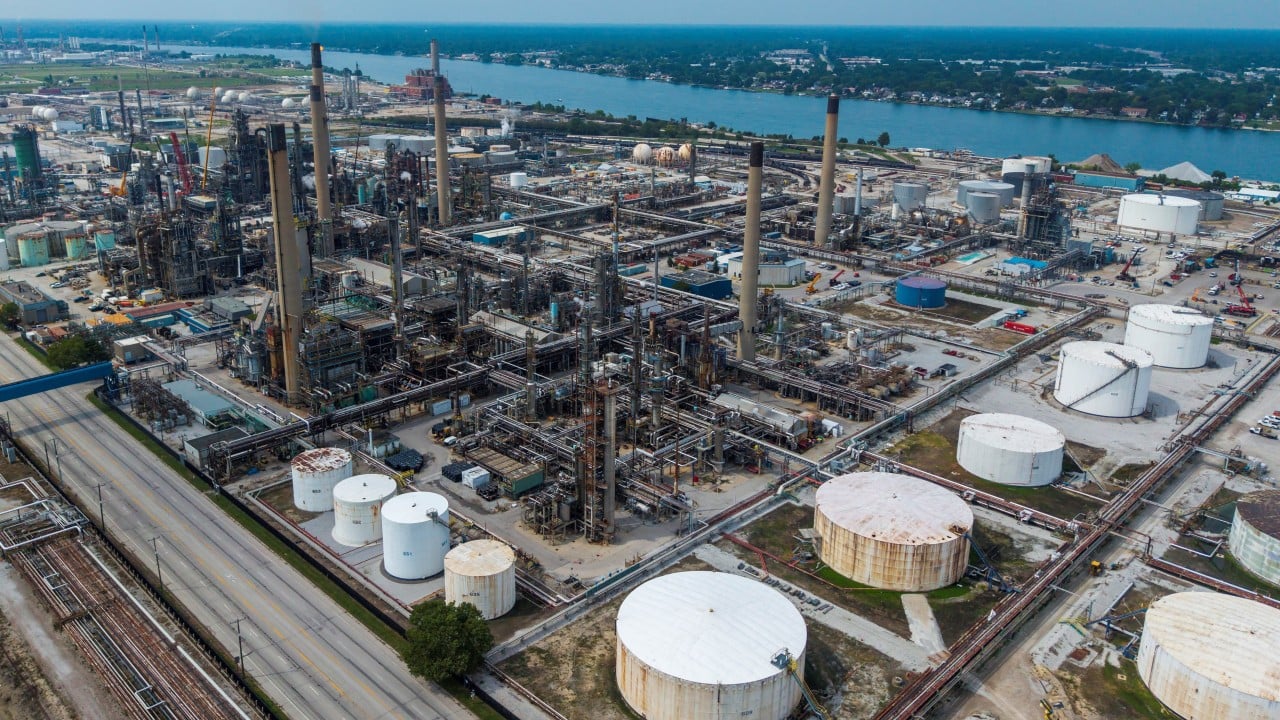
Geopolitics used to be constrained by geography, but engineering just changed the rules. For years, Canadian producers watched billions of dollars slip through their fingers because they had zero access to tidewater. Everything went to the U.S. Midwest and Gulf Coast at a steep discount.
Then the Trans Mountain Expansion (TMX) project came online, nearly tripling capacity to roughly 890,000 barrels per day. Suddenly, heavy sour crude from Alberta could roll straight to the Westridge Marine Terminal in Burnaby, load onto Aframax tankers, and head across the Pacific. Experts at Harvard Business Review have provided expertise on this situation.
Refiners in Asia love this crude because their facilities are specifically engineered to process heavy, complex blends. When Washington decided to slap 25% tariffs on most Canadian goods and carve out energy for separate punitive measures, Canadian exporters didn't panic. They booked tankers. China stepped in as a ready buyer, absorbing millions of barrels that otherwise would have been trapped or sold at a severe discount in a hostile U.S. market.
Why Ottawa Stopped Caving to Washington
The traditional playbook for Canadian prime ministers was simple: absorb the American blow, negotiate quietly behind closed doors, and eventually yield. Carney threw that playbook in the shredder. When Washington demands total alignment while simultaneously punishing Canadian autos, steel, and aluminum, something has to give.
Ottawa's refusal to back down on trade demands isn't just posturing; it's economic survival. By opening up direct trade channels with Beijing—including relaxing barriers on certain electric vehicle imports in exchange for massive industrial investments and raw material agreements—Canada signaled that it has other dance partners.
You cannot threaten a country's primary economic engine for long without forcing them to diversify. China needs stable energy sources to feed its massive industrial base, and Canada desperately needs buyers who don't change trade rules via late-night social media posts. It's a pragmatic marriage of convenience born out of sheer frustration with American protectionism.
What This Means for the Global Energy Market
This isn't just a bilateral spat between neighbors. It represents a permanent fracture in North American energy hegemony.
When a sovereign nation realizes its primary export corridor can be weaponized against its domestic GDP, diversification stops being a buzzword and becomes an urgent national security priority. West Coast LNG projects, like Woodfibre LNG, are seeing renewed pushes and capital injections to secure international shipping routes.
Asian buyers benefit immensely from this friction. They secure long-term, stable energy supplies from a politically stable democracy, bypassing some of the traditional chokepoints of the Middle East. Meanwhile, U.S. refiners are starting to realize that bullying Canada has an actual cost. You can't squeeze your largest foreign supplier for decades without eventually driving them right into the arms of your chief global competitor.
The old map of global trade is gone. Geography still makes the U.S. and Canada neighbors, but economics is forcing Canada to look west across the ocean.
The video above provides a closer look at how new infrastructure is routing Canadian energy away from the United States and toward Asian markets.