Major drug busts usually conjure up images of high-speed boat chases or hidden compartments in commercial semi-trucks crossing busy border points. You rarely think of a quiet residential street in a Quebec resort town.
But a recent operation by the Royal Canadian Mounted Police (RCMP) reminds us that international drug rings often prefer the suburbs over the shipping docks.
Federal law enforcement officers descended on a home in Saint-Sauveur, a scenic town nestled in Quebec’s Laurentians region. Inside, they uncovered a massive shipment of pure Colombian cocaine. The operation tells us a lot about how South American cartels manage to slip highly illegal cargo deep into Canadian territory. It also shows the strange mix of people recruited to pull it off.
Inside the Saint-Sauveur Drug Bust
International smugglers aren't always criminal masterminds hiding in fortified compounds. Sometimes they're just renting a house down the street from you.
The RCMP operation hit its climax on Friday, July 3, 2026, when tactical teams raided a residence in Saint-Sauveur. They didn't just find a few bricks of contraband hidden under the floorboards. They pulled out roughly 67 kilograms of pure cocaine.
To put that into perspective, the street value of that much product hits millions of dollars. Along with the heavy stash of narcotics, federal officers seized $115,000 in hard cash, a supply of firearm ammunition, and a pile of cellphones used to coordinate the drop-offs.
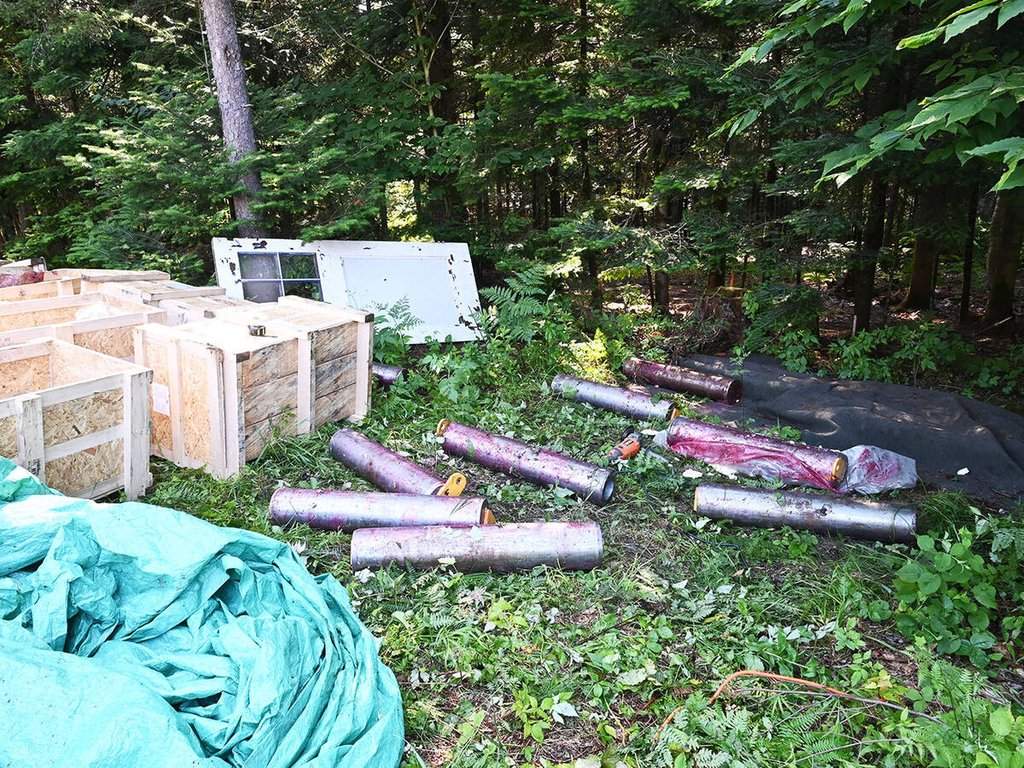
The mechanics of the operation were brutally simple but effective. The drugs originated directly from Colombia. To get the product across international lines without triggering red flags, the smugglers packed the cocaine into heavy metal cylinders. These cylinders were then packed inside wooden crates and delivered straight to the residential home.
The Unlikely Crew Facing Charges
The names and backgrounds of the suspects show that cartel distribution networks don't have a specific look. They recruit whoever can get the job done, regardless of age or location.
Three men were hauled into custody during the raid and rushed to the St-Jérôme courthouse. They face severe federal charges of importing cocaine and possession for the purpose of trafficking.
- Sébastien Morel, 42, from Saint-Sauveur, Quebec.
- Evens Pierrelouis, 50, from Saint-Sauveur, Quebec.
- Rodrigue Gionet, 72, from Allardville, New Brunswick.
Seeing a 72-year-old grandfather figure from a small town in New Brunswick caught up in a Colombian cocaine pipeline sounds wild. It’s exactly what makes modern drug enforcement so tough. Local operations rely heavily on regional couriers and lookouts who don't fit the classic profile of a cartel member.
Two other individuals were swept up during the initial raid, questioned by federal investigators, and let go later that afternoon. The RCMP hasn't cleared them yet; investigators explicitly stated that both people could still face formal charges down the road as the forensic data from those seized cellphones gets decoded.
What This Seizure Tells Us About Canada's Drug Supply
You might think a 67-kilogram bust is just another drop in the bucket, but it reveals a shifting strategy in organized crime.
Most people assume that drugs enter Canada through massive shipping containers in Vancouver or Montreal, or get driven across land borders like the Coutts crossing in Alberta. While those routes remain active, cartels are increasingly utilizing direct-to-home freight smuggling. By welding narcotics into specialized industrial hardware like metal cylinders, smugglers gamble that customs X-ray machines will mistake the dense cargo for legitimate industrial parts.
Once the freight clears the border, the cartel needs a safe house. They choose quiet, affluent communities like Saint-Sauveur because a random delivery van or a wooden crate arriving at a house doesn't immediately attract the attention of local police.
The legal saga for the three accused is moving fast. After their initial weekend appearance in St-Jérôme, they were transferred to the Montreal courthouse for their formal bail hearings. Given the sheer volume of the seized cocaine and the international connections involved, federal prosecutors are fighting to keep all three men behind bars until their trial dates.
If you live in a quiet suburban community, keep your eyes open. The next major international smuggling hub might just be the house with the overgrown lawn next door.