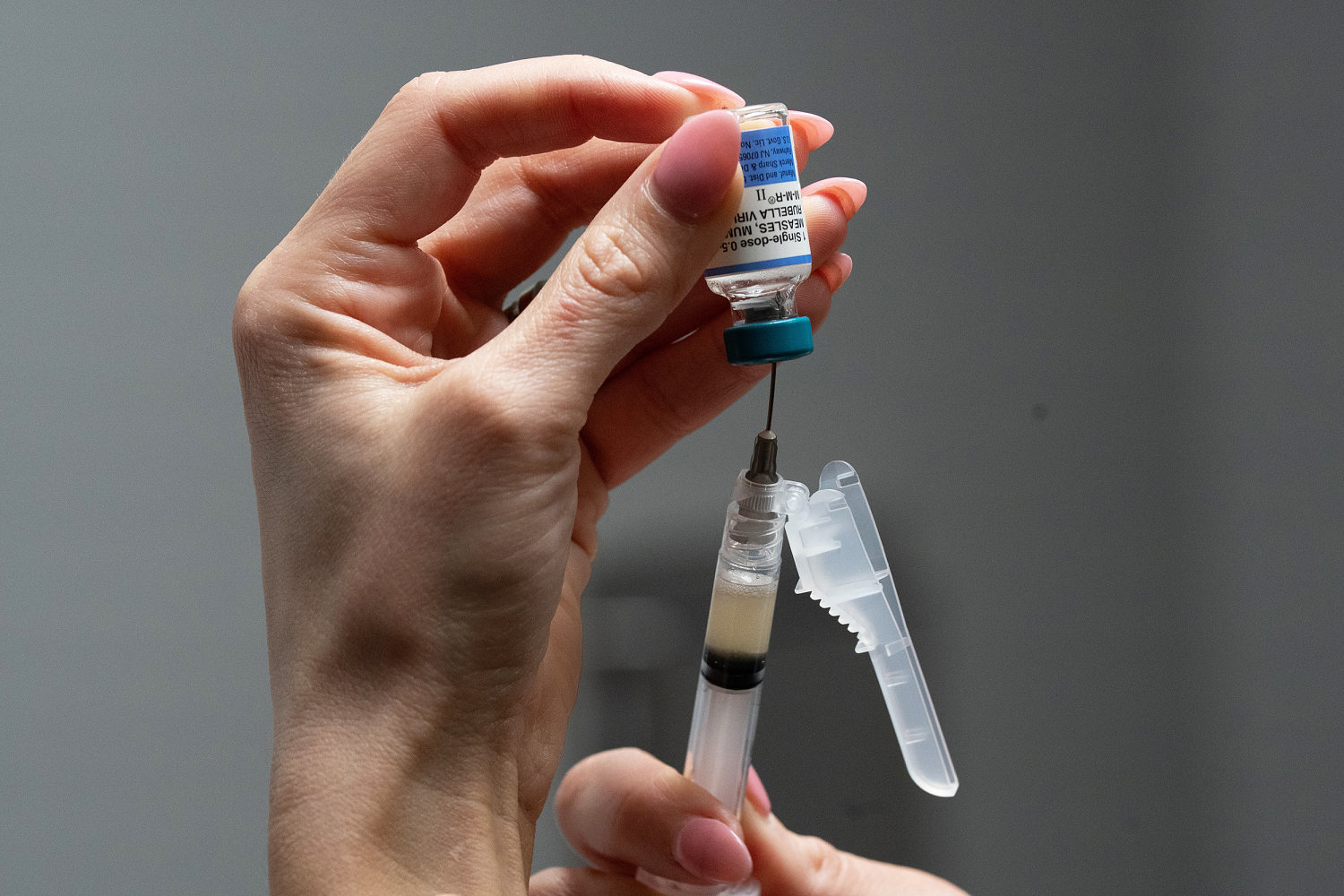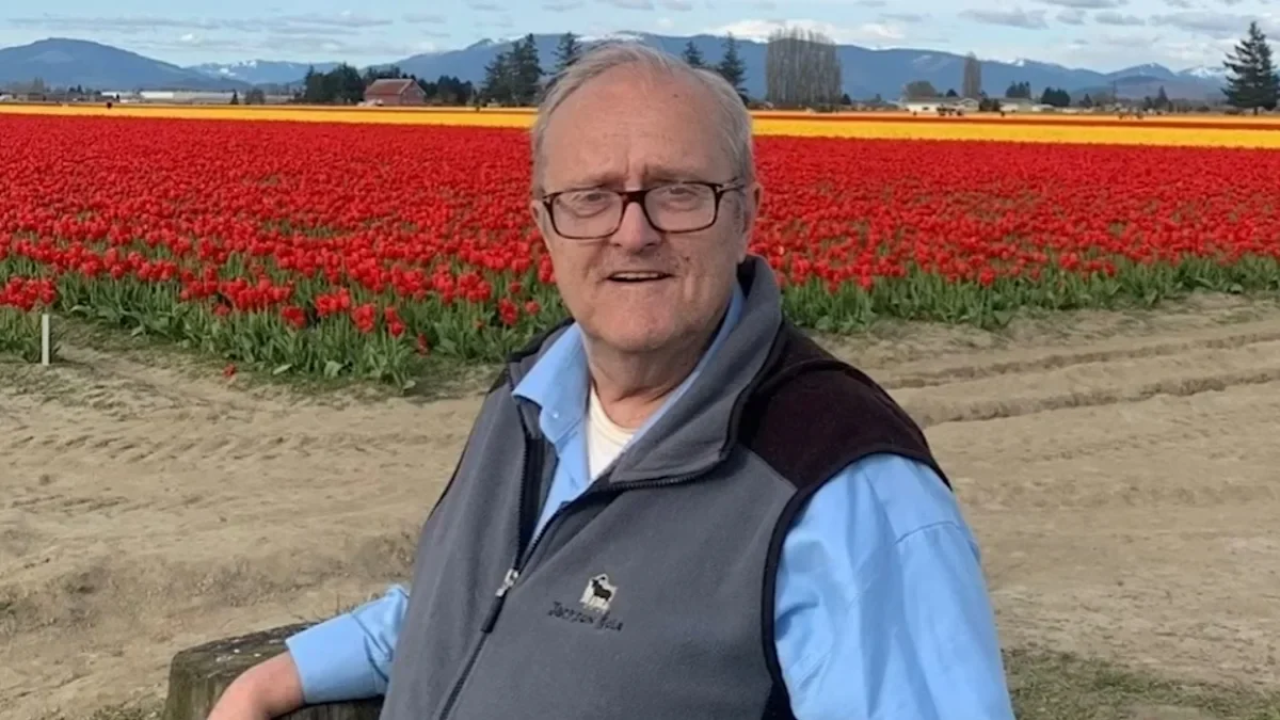
Bequest-driven medical philanthropy fails when donors confuse asset transfer with operational liquidity. When a Montana photographer bequeaths 480 acres of land alongside $1 million in liquid capital to fund Alzheimer’s research in his hometown, the transaction represents a complex hybrid asset allocation rather than a simple charitable donation. To extract maximum scientific yield from a mixed bequest of illiquid real estate and cash, receiving institutions must execute a strict three-phase capital conversion protocol: immediate liquidity deployment, real property monetization without market depression, and hyper-local research infrastructure alignment.
Standard philanthropic reporting treats land and cash as fungible equivalents, masking the severe operational friction inherent in rural real estate gifts. A $1 million cash injection provides immediate runway for laboratory staffing, assay procurement, and clinical trial administration. Conversely, 480 acres of Montana acreage functions initially as a liability on a non-profit balance sheet, carrying property tax obligations, liability insurance costs, environmental assessment requirements, and maintenance overhead until liquidated or repurposed.
The Dual-Asset Allocation Architecture
Evaluating a mixed estate gift requires separating the capital into distinct risk and liquidity tranches. The $1 million cash component operates as high-velocity working capital, while the 480-acre land parcel acts as a low-velocity, high-friction store of value.
Tranche One The $1 Million Cash Engine
In biomedical research, $1 million does not fund a multi-year Phase III clinical trial, which routinely exceeds $50 million. Instead, this capital tier serves as catalytic seed funding. Institutional administrators deploy this tranche to solve specific operational bottlenecks:
- Pilot Data Generation: Funding preliminary biomarker studies or longitudinal cohort tracking required to secure subsequent multi-million-dollar grants from the National Institutes of Health (NIH).
- Equipment Acquisition: Purchasing specialized diagnostic hardware, such as high-throughput sequencing machines or neuroimaging peripherals, that local rural clinics lack.
- Fellowship Endowments: Underwriting the salary and benefits of a dedicated principal investigator or two postdoctoral fellows for a three-to-five-year operational window.
The primary risk in managing the cash tranche is administrative bloat. Without ring-fenced accounting, general institutional overhead absorbs up to 30% of unrestricted cash gifts before a single tissue sample is analyzed. Effective governance mandates a strict cap on indirect cost recovery, forcing at least 85% of the $1 million directly into laboratory consumables and research personnel.
Tranche Two The 480-Acre Illiquid Asset
Real property gifts introduce valuation uncertainty and holding costs. Four hundred eighty acres in Montana—equivalent to three-quarters of a square mile—varies wildly in valuation depending on zoning, water rights, mineral leases, road access, and proximity to municipal infrastructure.
Receiving organizations face three primary disposal pathways for large rural tracts:
- Outright Market Liquidation: Selling the acreage to private buyers, agricultural operators, or developers to convert the land into unrestricted cash. This pathway maximizes immediate research liquidity but risks depressing local land prices if dumped onto a thin rural market.
- Conservation Easement Structuring: Partnering with a land trust to strip development rights in exchange for tax benefits or compensatory funds from conservation buyers, followed by a sale of the restricted agricultural land. This preserves the ecological integrity of the estate—often a critical implicit desire of nature photographers—while still generating substantial capital.
- Endowment Retention and Lease: Holding the land on the institutional balance sheet and generating recurring yield through grazing leases, timber harvesting, or recreational permits. This creates a perpetual annuity stream for Alzheimer’s research, though at a significantly lower annual yield than a diversified equity portfolio.
Hyper-Local Research Economics and the Geographic Mismatch
Directing Alzheimer’s research funds specifically to a donor’s hometown creates a structural tension between geographic loyalty and scientific efficiency. Biomedical research exhibits extreme economies of scale. Major discoveries in neurodegenerative pathology typically occur within dense research clusters—such as Boston, San Francisco, or Rochester—where shared core facilities, massive patient registries, and specialized biostatisticians reduce the marginal cost of each experiment.
Routing $1 million and land proceeds into a rural Montana municipality bypasses these agglomeration economies. To prevent capital inefficiency, a local research initiative cannot attempt to replicate a Tier-1 wet lab from scratch. Doing so would exhaust the entire $1 million cash reserve on HVAC retrofitting, biosafety cabinets, and regulatory compliance before hiring a single scientist.
Instead, hyper-local medical philanthropy must exploit the unique epidemiological advantages of rural populations. Rural communities in states like Montana possess distinct demographic and environmental profiles that urban research centers struggle to access:
- Longitudinal Stability: Rural populations exhibit lower geographic mobility than urban cohorts, allowing researchers to track cognitive decline and environmental exposures across decades with minimal attrition.
- Environmental Exposure Isolation: Agricultural chemical exposure, well-water mineral profiles, and specific lifestyle variables can be isolated more cleanly in sparse populations than in dense metropolitan areas.
- Tele-Neurology and Decentralized Trials: Modern Alzheimer’s research relies heavily on digital cognitive assessments, blood-based biomarkers (such as phosphorylated tau assays), and mobile imaging units. A hometown research fund can finance the local clinical infrastructure needed to onboard rural patients into national decentralized trials, acting as a high-value recruitment node rather than an isolated laboratory.
The Structural Risks of Donor Intent and Geographic Restriction
When an estate plan mandates that funds be spent "in his hometown," executors and institutional boards encounter legal and operational constraints governed by the Uniform Prudent Management of Institutional Funds Act (UPMIFA). Strict geographic restrictions create three specific failure modes.
First, absorptive capacity failure occurs when the local medical infrastructure lacks the accredited facilities, Institutional Review Boards (IRBs), or qualified personnel to legally execute human subjects research. If a hometown hospital only operates primary care and emergency stabilization services, it cannot legally administer experimental neurodegenerative protocols without building an entirely new regulatory apparatus.
Second, asset-liability mismatch arises if the estate's executor delays transferring the $1 million cash while attempting to settle probate disputes or environmental audits on the 480 acres. Prolonged probate freezes capital during periods of high biomedical inflation, eroding the real purchasing power of the cash tranche.
Third, key-person dependency threatens small-scale regional programs. If the hometown fund recruits a single neurologist to lead the Alzheimer’s initiative and that clinician relocates, the entire research program stalls, leaving expensive equipment idle while administrative overhead continues to burn through the remaining capital.
Governance Protocols for Mixed Estate Bequests
To insulate the bequest from administrative dilution and geographic inefficiency, receiving entities must execute a rigorous intake and deployment sequence immediately upon probate notification.
Phase One Probate Segregation and Environmental Indemnification
Before accepting title to the 480 acres, the receiving institution must conduct a Phase I Environmental Site Assessment (ESA). Rural properties frequently contain legacy agricultural fuel tanks, pesticide storage pits, or abandoned mining runoff. Accepting title to contaminated land transfers strict, joint-and-several liability under federal environmental statutes (CERCLA) directly to the non-profit, potentially wiping out the $1 million cash gift in mandatory remediation costs. The estate must fund the ESA prior to title transfer, and the institution must hold the cash tranche in a separate, unencumbered escrow account.
Phase Two Hub-and-Spoke Research Structuring
Rather than building an isolated local laboratory, the hometown entity must establish a formal affiliation agreement with a major regional research university or academic medical center. Under this hub-and-spoke model:
- The hometown clinic (the spoke) utilizes the donor’s funds to establish a dedicated memory care and diagnostic intake center, retaining all clinical revenue and local philanthropic credit.
- The academic medical center (the hub) provides the IRB oversight, biostatistical analysis, wet-lab processing for blood biomarkers, and clinical trial protocols.
This structure honors the donor’s geographic mandate by delivering cutting-edge diagnostics and clinical trial access directly to hometown residents while eliminating the prohibitive fixed costs of standalone laboratory infrastructure.
Phase Three Staged Land Monetization
If the institutional board opts to liquidate the 480 acres, it must avoid a single-block auction unless a conservation buyer is pre-committed. Dividing the acreage—where zoning permits—or utilizing a sealed-bid tender process timed to regional agricultural liquidity cycles maximizes net proceeds. All net proceeds from the land sale should bypass the operating checking account and flow directly into a quasi-endowment invested in a standard 70/30 equity-to-fixed-income institutional portfolio. Generating a 4.5% annual spend rate from the liquidated land endowment creates a permanent revenue stream that sustains the hometown clinic long after the initial $1 million cash tranche is exhausted.
Limitations of the Bequest Model
Even with optimal governance, a mixed bequest of this scale faces hard mathematical boundaries. A $1 million cash gift combined with rural acreage cannot independently fund drug discovery, preclinical animal modeling, or large-scale genomic sequencing. Furthermore, rural clinical recruitment suffers from small absolute sample sizes; a town of 5,000 residents yields a statistically limited pool of early-onset or mild cognitive impairment patients, necessitating multi-site data pooling to achieve statistical power. Donors and institutions that fail to acknowledge these scale limits risk funding redundant, underpowered studies that never pass peer review.
Institutions receiving mixed rural bequests must immediately reject standalone infrastructure construction, execute an environmental audit prior to land title acceptance, and bind the $1 million cash tranche to a hub-and-spoke decentralized clinical trial partnership with an accredited academic medical center.