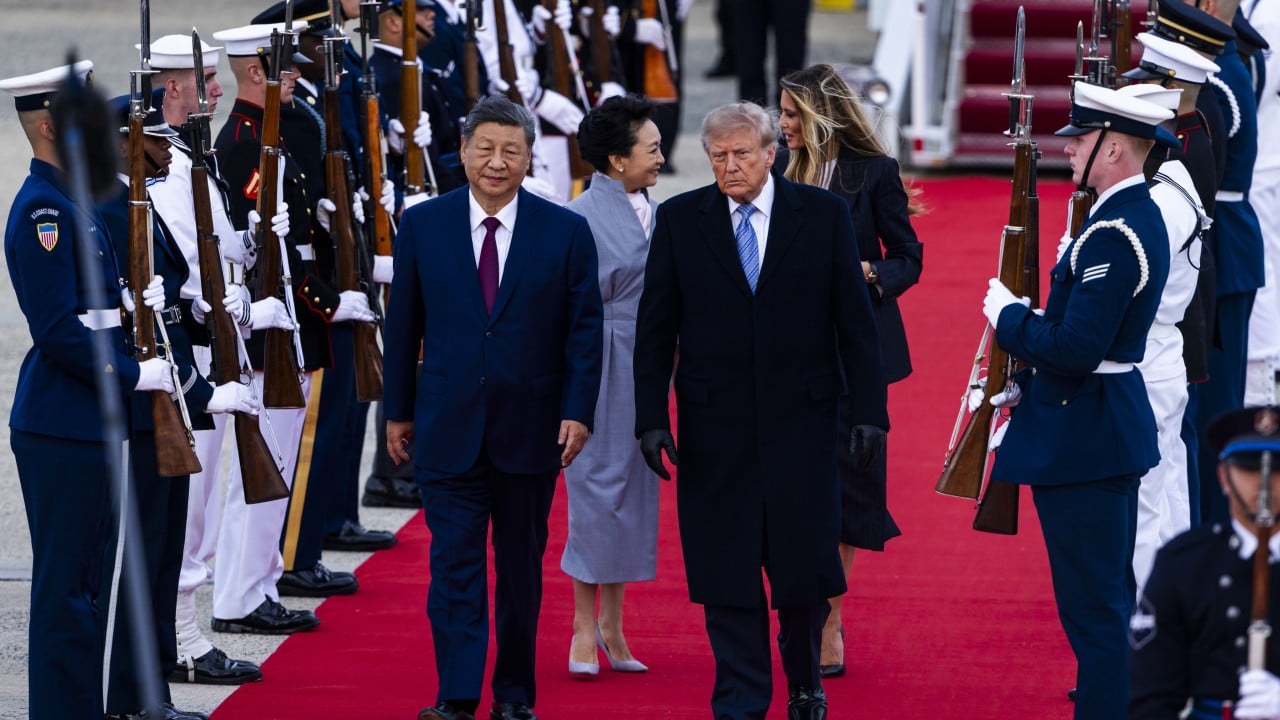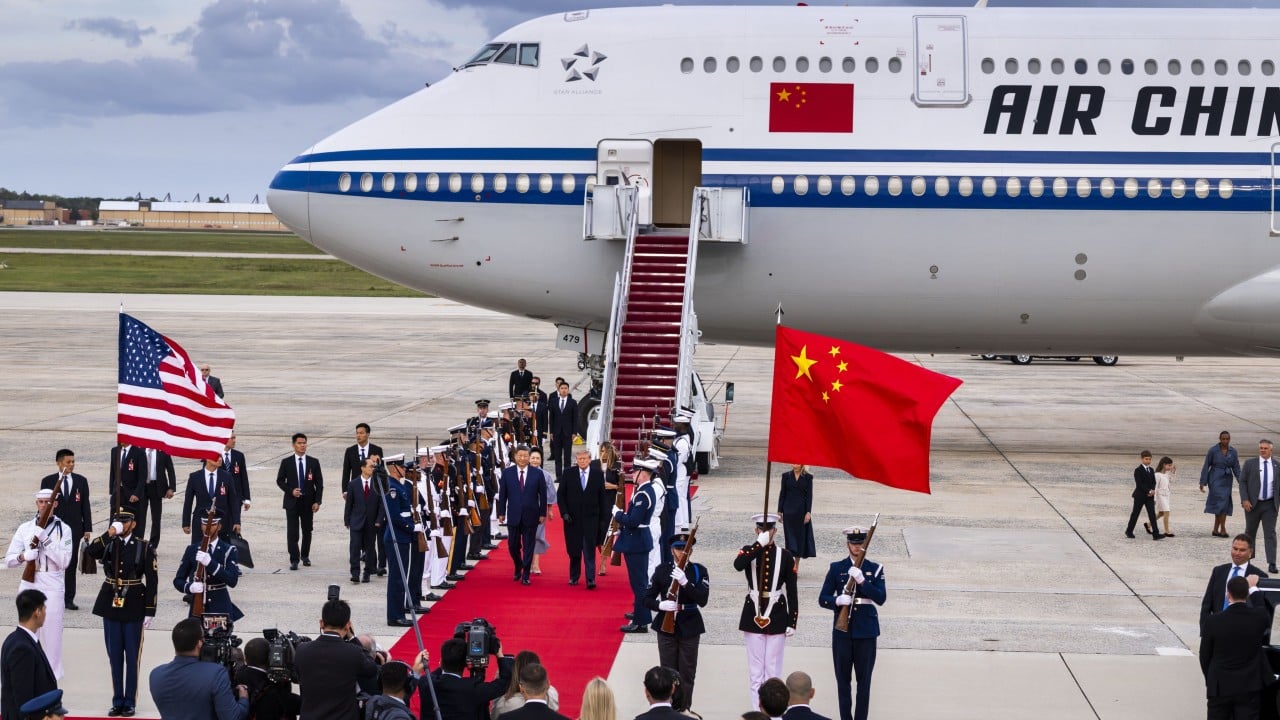
Washington lives in a permanent state of theatrical hysteria. Turn on the cable news ticker or read the latest dispatch from Capitol Hill, and you would think the bilateral relationship between the United States and China is a slow-motion train wreck driven entirely by ideological incompatibility and diplomatic friction. Lawmakers clutch their pearls over every handshake, every summit agenda, and every high-level diplomatic exchange. They demand confrontation, trade embargoes, and a permanent posture of hostility.
It is all a carefully managed smokescreen.
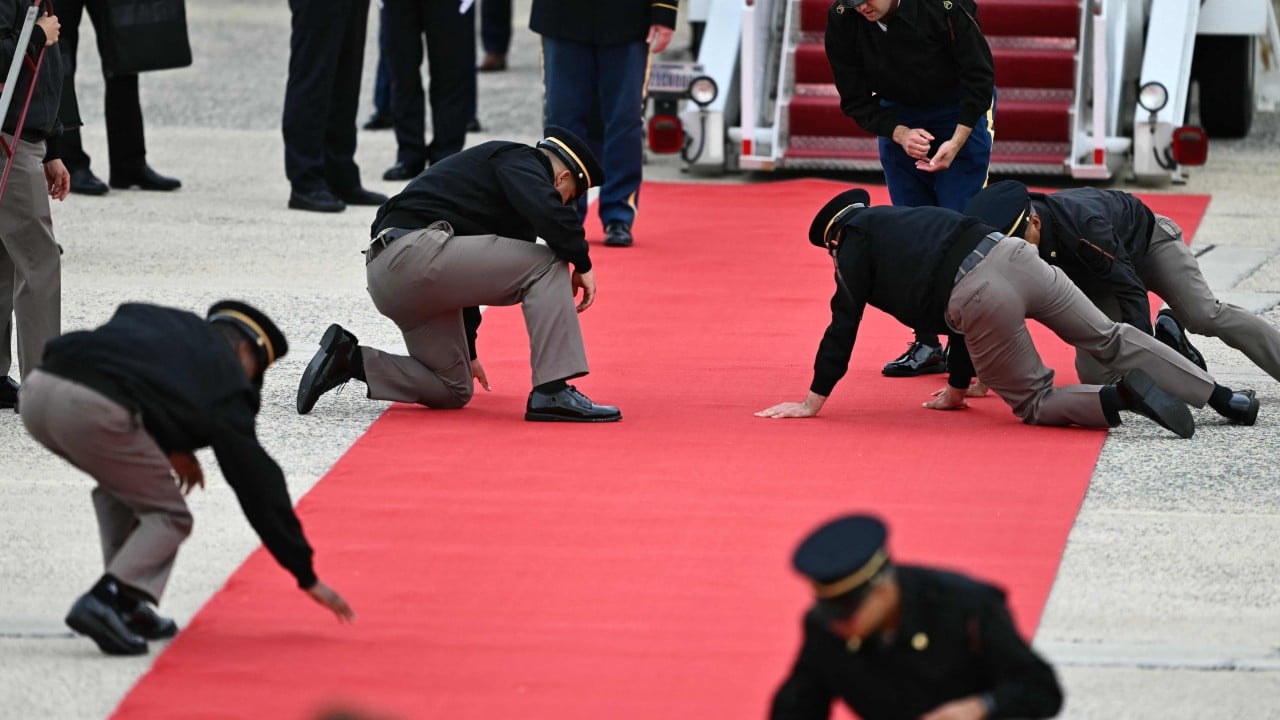
While senators and representatives posture for the evening news, screaming about threats to national security to juice their fundraising emails, the structural reality of global commerce operates on an entirely different set of rules. The lazy consensus in mainstream media frames every diplomatic handshake with Beijing as a sign of weakness or capitulation. That framework is fundamentally broken. When administrations roll out red carpets or extend calculated pleasantries, they are not surrendering ground. They are engaging in the cold, transactional calculus of great power management.
Let us look past the performative outrage. The establishment narrative claims that loud criticism on Capitol Hill represents a principled stand against a strategic adversary. It does not. It represents political survival in a domestic ecosystem that rewards performative hawkism. Behind the closed doors of executive branch boardrooms, trade chambers, and backchannel diplomatic channels, adults are managing a complex economic marriage of convenience that neither side can afford to dissolve.
The Myth of Ideological Purity in Trade
The primary flaw in the conventional critique of diplomatic engagement is the persistent fantasy that economic decoupling is a realistic policy objective. Every time a congressional committee drafts another restrictive bill aimed at cutting off supply chains, financial markets shrug and continue doing what they have done for three decades.
I have watched corporate boards spend millions on consultants trying to game out complete supply chain relocation, only to quietly pivot back to Asian manufacturing hubs because the alternatives simply cannot scale. The infrastructure does not exist. The workforce training does not exist. The capital expenditure required to replicate decades of integrated industrial clustering in five years is a pipe dream.
When leadership extends a warm welcome during high-level summits, it is an acknowledgment of mutual vulnerability. Neither Washington nor Beijing can afford an uncontrolled economic shock. The rhetoric coming out of congressional hearing rooms ignores the simple reality of balance sheets. American consumers want cheap goods, American tech companies need rare earth elements and consumer hardware markets, and Chinese manufacturers need foreign direct investment and export revenue to maintain domestic employment stability.
This is not about friendship. It is about hostage negotiation on a global scale.
Why Congressional Noise is Cheap
It is remarkably easy to be a hawk when you bear zero responsibility for the consequences. A backbench representative can demand an immediate total embargo on critical sectors without losing a single night of sleep over inflation spikes, port congestion, or collapsing corporate earnings reports.
Capitol Hill thrives on binary narratives. Nuance does not fit into a fifteen-second floor speech or a fundraising tweet. Lawmakers treat foreign policy like a high school debate club, where the goal is scoring rhetorical points against the opposing team rather than managing a nuclear-armed economic superpower.
When critics hyperventilate about the optics of a diplomatic reception, they mistake courtesy for concession. In realpolitik, you keep your rivals close, your supply chains monitored, and your communication channels open. The moment Washington stops talking to Beijing is the moment a localized misunderstanding escalates into an unmitigated disaster. The loud voices on the Hill want to cut the phone lines to prove how tough they are. That is not strength. That is reckless negligence.
The Real Game Being Played
To understand what is actually happening, ignore the press releases and look at the capital flows.
Global commerce operates on inertia. Trillions of dollars in fixed investments, intellectual property pipelines, and logistics networks cannot be wished away by a congressional resolution. When executives from major multinational corporations sit down with trade representatives from both nations, they are not debating democracy versus authoritarianism. They are negotiating margins, regulatory compliance, and risk mitigation.
The strategic competition between the United States and China is real, but it is not a zero-sum death match where one side completely obliterates the other. It is a grueling, protracted positioning war for technological dominance and standard-setting authority in artificial intelligence, semiconductor fabrication, and green energy infrastructure.
Playing this game effectively requires tactical flexibility. It requires knowing when to smile for the cameras while tightening export controls behind the scenes. It requires engaging in direct dialogue while fortifying domestic industrial capacity.
Dismantling the Separation Illusion
The loudest critics argue that any form of diplomatic warmth undermines American resolve. This assumes that resolve is measured by the volume of insults hurled across the Pacific. History suggests the exact opposite. The most dangerous conflicts are those preceded by a total breakdown of communication, where both sides retreat into echo chambers of mutual suspicion and miscalculation.
Engagement is not endorsement. Inviting a rival leader to the table or offering diplomatic courtesy is a mechanism for gathering intelligence, setting boundaries, and establishing red lines without stumbling into an accidental kinetic conflict.
The next time you read a breathless headline about how Capitol Hill is furious over executive branch diplomacy, remember who is actually steering the ship. The noise is for the voters. The business is for the adults in the room.
Stop listening to the politicians performing for the cameras. Watch where the capital moves, look at the backchannel agreements that quietly bypass the legislative circus, and recognize that the real architecture of global power is built by pragmatists who understand that survival requires talking to your fiercest competitor every single day.