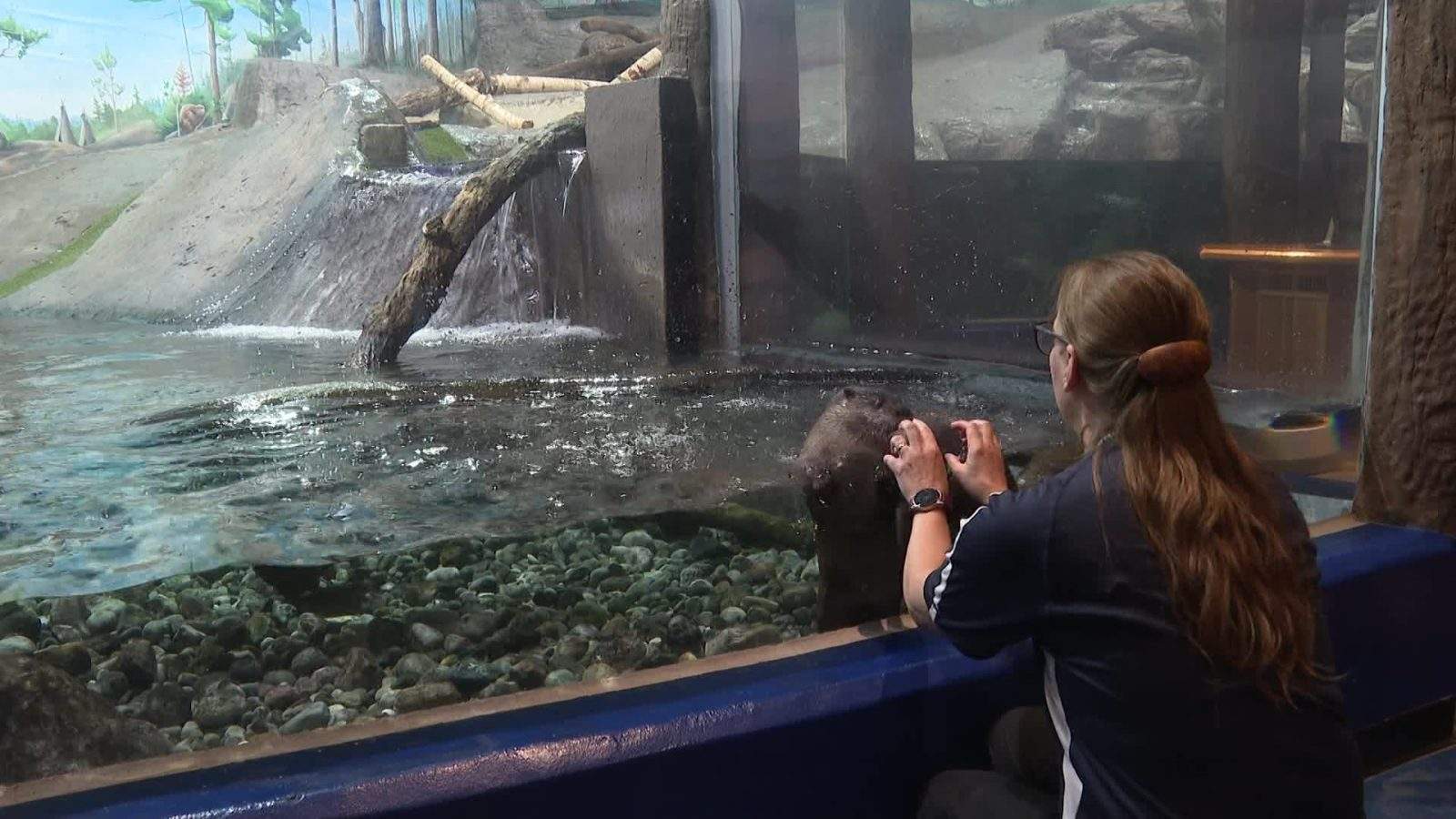
The recent birth of three North American river otter pups at the Brockville Aquatarium offers an operational case study in modern zoological management. While public-facing coverage invariably emphasizes the aesthetic appeal of neonates, institutional viability relies on rigorous husbandry protocols, reproductive biology, and targeted conservation engineering. Analyzing this event requires stripping away media sentimentality to examine the underlying systems governing captive carnivore management, genetic diversity maintenance, and institutional resource allocation.
The Reproductive Mechanics of Lontra canadensis
North American river otters present distinct physiological hurdles for captive breeding programs. The species exhibits a reproductive strategy defined by delayed implantation, a biological mechanism where the fertilized blastocyst remains free-floating in the uterine cavity for an extended period before actual implantation and gestation resume. Total apparent gestation spans between nine and twelve and a half months, complicating predictive modeling for facility resource planning and veterinary staffing. Discover more on a connected topic: this related article.
For first-time maternal specimens such as Mable, the physiological load is immense. Altricial birth standards dictate that pups enter the environment blind, toothless, and entirely dependent on maternal thermoregulation and lactation. The biological cost function for the facility shifts immediately toward maintaining strict environmental parameters:
- Ambient den temperature stability to prevent neonatal hypothermia.
- Caloric density adjustment in maternal dietary intake to support high-demand lactation.
- Acoustic and visual isolation to minimize stress-induced behavioral anomalies, such as maternal neglect or infanticide.
Operational control during the initial postpartum window requires a delicate balance between intensive monitoring and hands-off non-interference. Veterinary protocols rely on scheduled, short-duration separations of the maternal unit to execute visual assessments, mass tracking, and tactile desensitization without triggering acute cortisol spikes. More journalism by The New York Times delves into comparable perspectives on this issue.
Institutional Scaling and Asset Integration
The integration of three healthy male pups expands the Aquatarium population from its baseline of five rescued specimens to a total of eight individuals. This sudden population surge introduces immediate capacity constraints and structural management requirements. Facility design must transition from housing a static group of adult rescues to accommodating a dynamic age-structured cohort.
Resource reallocation is dictated by distinct life-history phases. Neonates progress through predictable developmental markers that dictate facility utilization:
- Phase One (Weeks 0 to 5): Den confinement. Metabolic reliance entirely on maternal resources. Zero aquatic access.
- Phase Two (Weeks 5 to 10): Sensory activation. Ocular opening, motor system development, and introductory tactile engagement with caretakers.
- Phase Three (Months 2 to 7): Aquatic transition. Supervised immersion training, aquatic navigation mastery, and the cessation of nursing in favor of solid piscivorous diets.
Each phase demands distinct architectural modifications, water filtration capacity adjustments, and staffing allocations. The financial mechanics of sustaining these cohorts scale non-linearly with age, peaking as juveniles transition to independent caloric consumption.
The Conservation Economics of Regional Facilities
Regional facilities operating outside Tier-1 metropolitan footprints face unique structural trade-offs. Unlike massive state-funded institutions, mid-tier aquariums rely heavily on visitor conversion metrics tied to high-profile animal births to offset baseline operational overhead. The public anticipation surrounding upcoming public debuts functions as a primary driver for regional tourism revenue, memberships, and auxiliary retail income.
However, commercial imperatives must be strictly subjugated to animal welfare frameworks. The long-term trajectory of these three male pups will ultimately be dictated by regional population management programs, such as species survival plans managed by accredited zoological associations. Males typically exhibit dispersal behaviors or require separation from breeding females upon reaching sexual maturity to prevent inbreeding depression and aggressive territorial conflict.
The strategic imperative for the Aquatarium is not merely exhibition, but the establishment of a repeatable protocol for captive carnivore neonatal survival. By standardizing the veterinary interventions executed in partnership with local clinical infrastructure, the facility converts an isolated biological event into a validated operational framework for future captive management cycles.