The High Stakes of Low Information
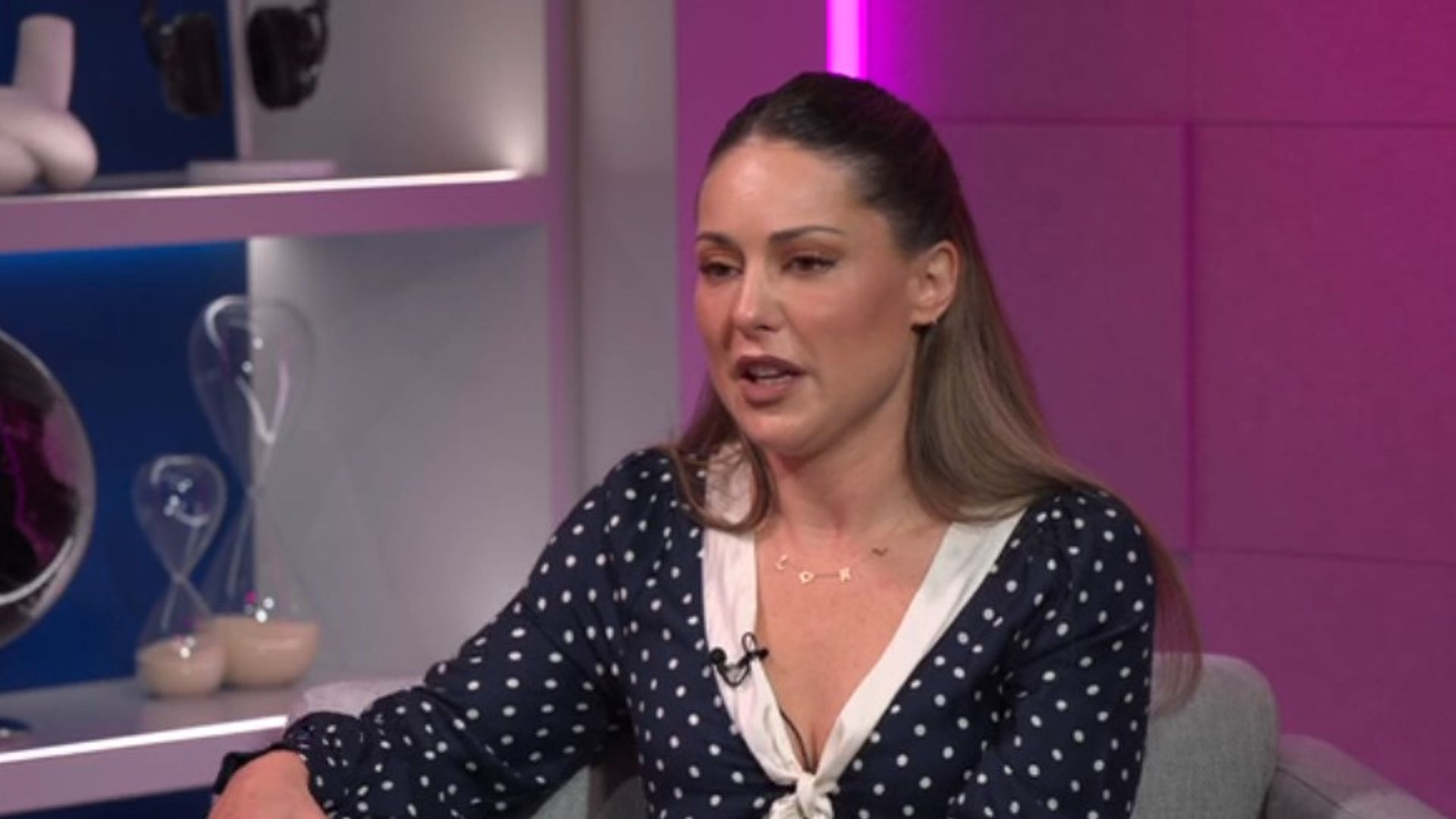
The British Parliament recently spent time debating maternity care because a reality star almost died during childbirth. It sounds like a victory for democratic engagement. It is actually a disaster for public health policy. When Louise Thompson’s traumatic birth story becomes the catalyst for legislative reform, we aren't following the science—we are following the algorithm.
The lazy consensus suggests that celebrity "bravery" is the only way to get politicians to listen. If that is true, we have already lost. Policy driven by high-profile trauma is reactionary, emotionally volatile, and structurally blind to the boring, granular data that actually saves lives. We don't need more "awareness." We need better logistics.
The Survivor Bias Trap
Celebrity advocacy relies entirely on survivor bias. We hear the harrowing story of the person who made it out, and we immediately demand that the system be rebuilt to prevent that specific, rare set of complications. This is a tactical error.
Maternity care in the UK isn't failing because it lacks empathy or "celebrity reach." It is failing because of a catastrophic mismatch between clinical staffing levels and the soaring complexity of modern births.
Imagine a scenario where a hospital manager has to choose between a "trauma-informed" sensitivity training program—demanded by a social media campaign—and hiring two more night-shift midwives. In the current climate, the PR-friendly training wins every time. But the sensitivity training won't stop a postpartum hemorrhage at 3:00 AM. A midwife will.
The Myth of the Universal Experience
The competitor narrative suggests that maternity care is a "broken system" across the board. This is a half-truth that hides a more uncomfortable reality: outcomes are wildly localized.
The National Institute for Health and Care Excellence (NICE) provides gold-standard guidelines, but the application is a lottery. When a celebrity speaks, they often advocate for "standardized" care. But standardization is often the enemy of high-risk management.
- Misconception: All birthing people need the same level of intervention-free "choice."
- The Reality: We have over-indexed on the "natural" birth narrative to the point of clinical danger.
- The Data: The Ockenden Report didn't find a lack of empathy; it found a cult-like obsession with "normal" births that ignored clear clinical warning signs.
By focusing on the "experience" of birth—the focus of most celebrity campaigns—we are diverting resources away from the mechanics of survival. A "positive birth experience" is a luxury of a safe birth. You cannot have the former without the absolute guarantee of the latter.
The Midwifery Shortage is a Math Problem, Not a Feeling
Parliamentary debates triggered by TV personalities focus on "listening to women." It’s a great soundbite. It’s also a cheap way for politicians to avoid talking about the £3 billion annual funding gap estimated by the Health and Social Care Committee.
Listening is free. Hiring is expensive.
I’ve spent years analyzing the flow of clinical staff through NHS trusts. The "burnout" people talk about isn't just "feeling tired." It is a physiological state of cognitive overload. When a midwife is responsible for three active labors simultaneously, her ability to process fetal heart rate patterns (CTG) drops by a measurable percentage. This isn't a failure of her "care" or her "compassion." It’s a failure of the ratio.
If we want to fix maternity care, we should stop talking about "triggering debates" and start talking about mandatory safe staffing legislation with teeth. We need to stop asking celebrities how they felt and start asking actuaries how much it costs to keep a surgical theater staffed for 24-hour emergencies without relying on locums who don't know where the adrenaline is kept.
Stop Trying to "Humanize" the Data
The most dangerous thing about the Thompson debate is the shift toward "personalized care" as a panacea. Personalized care is a resource-heavy model. In a system with a 2,500-midwife deficit, "personalization" is a mathematical impossibility for the bottom 80% of the population.
When we prioritize the "voice" of the patient over the "vitals" of the patient, we create a system where the loudest and most articulate get the best outcomes. This isn't equity; it's a social media meritocracy.
The real maternity crisis isn't that a reality star had a bad experience. It’s that the system is currently designed to provide "okay" care to everyone while providing "exceptional" care to no one. We are obsessed with the middle of the bell curve because that's where the most relatable stories live.
The Uncomfortable Truth About Risk
We have sanitized the reality of childbirth to the point where any complication is viewed as a systemic failure rather than a biological reality.
Childbirth is the most dangerous thing the average person will ever do. We can mitigate risk, but we cannot eliminate it. By framing every trauma as a "lack of care," celebrity advocates are creating a defensive medicine culture. Doctors and midwives, terrified of being the villain in a viral "awareness" post, become more likely to over-intervene or, conversely, to freeze.
We need to pivot.
- Fund the Floor, Not the Ceiling: Stop funding "wellness suites" and start funding the basic pay grade of Band 6 midwives to stop them from fleeing to the private sector.
- Clinical Supremacy: Re-establish the authority of clinical data over "birth plans." A birth plan is a wish list; a clinical reality is a mandate.
- End the Celebrity Pipeline: Bar clinical policy from being influenced by "Lived Experience" panels that don't include a statistical weighting for clinical frequency.
The next time a celebrity triggers a debate in Parliament, check the budget the following week. If the money hasn't moved, the debate was just theater. And theater doesn't deliver babies.
Fix the ratios or accept the body count. Everything else is just PR.