You walk into a discount retailer, spot a stylish home goods deal, and buy it without a second thought. It is a routine script played out millions of times every week. But a recent legal battle out of Las Vegas reminds us of the terrifying reality that a hidden design flaw in a common household product can turn fatal.
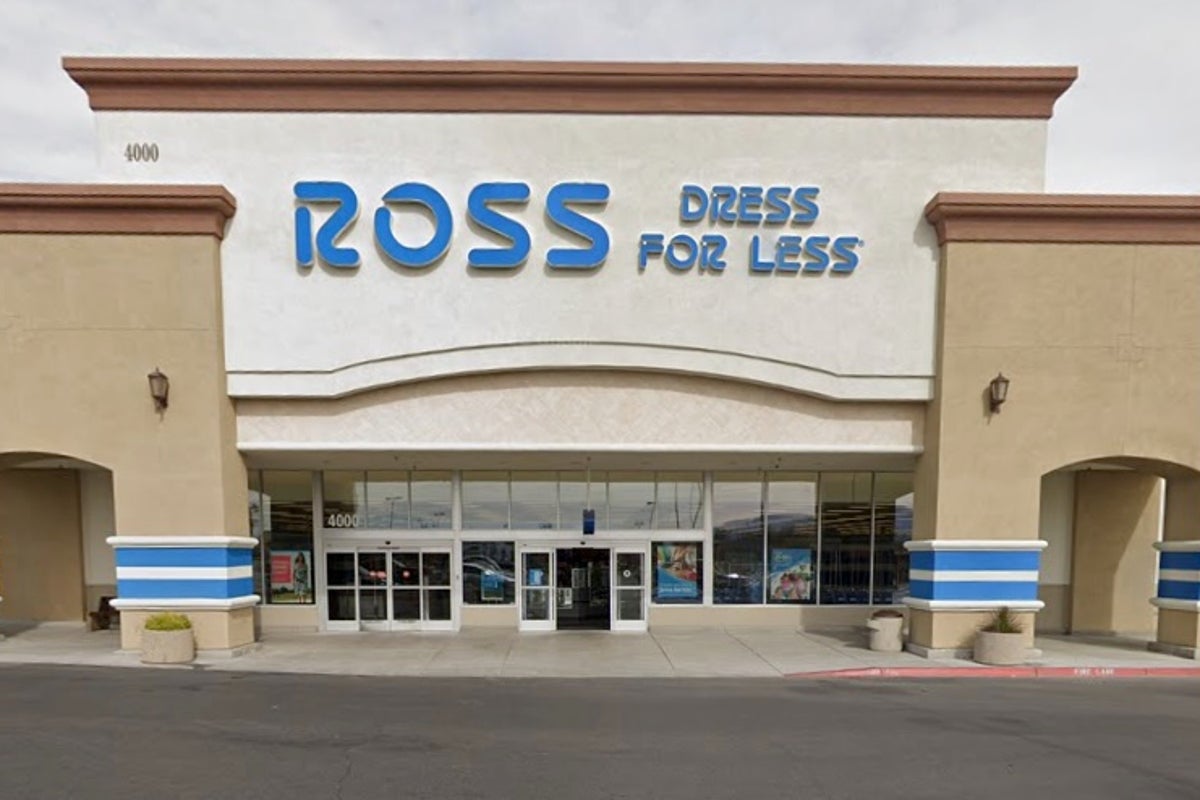
The estate of Jude Anthony Sanchez, a 76-year-old Clark County resident, filed a wrongful death lawsuit in June 2026. The targets are retail giant Ross Dress for Less and fashion house Juicy Couture. According to the legal filing in Clark County District Court, a Juicy Couture-branded step stool purchased at a local Ross outlet completely collapsed during routine use, setting off a chain of events that ended in a man's death.
This isn't just an isolated tragedy. It highlights a massive, industry-wide blind spot where cut-rate manufacturing, third-party licensing, and global supply chains collide with consumer safety.
The Tragic Failure of a Everyday Object
On July 30, 2025, Jude Anthony Sanchez used a Juicy Couture step stool to climb out of his truck bed. The lawsuit states the platform collapsed underneath him without warning. He fell hard against the ground.
He didn't die right away. Sanchez spent nearly a month fighting through pain and medical procedures before passing away on August 23, 2025. The Clark County coroner's office officially ruled the death an accident. The specific cause was complications stemming from multiple rib fractures.
Think about that for a second. A simple fracture caused by a piece of plastic or wood failing shouldn't be a death sentence, but for older adults, rib fractures drastically spike the risk of pneumonia, internal bleeding, and respiratory failure.
Sanchez’s estate is suing for negligence, strict liability, wrongful death, and breach of warranty. They want compensation for medical bills, legal fees, and general damages. Right now, Ross Stores Inc. and Authentic Brands Group, the owner of Juicy Couture, have kept their mouths shut, offering no public comment on the active litigation.
The Trap of Fast Furniture and Brand Licensing
To understand how a fashion brand known for velour tracksuits ends up on a defective step stool in a discount store, you have to look closely at retail licensing. Brands like Juicy Couture rarely manufacture their own home goods. Instead, they license their names to third-party manufacturers who produce cheap items in bulk.
These products are often shipped straight to off-price retailers like Ross, which operates roughly 2,000 stores across America. The consumer sees a recognizable luxury name and thinks they're getting premium quality at a bargain price. In reality, the item is often built with the lowest possible material standards to preserve razor-thin profit margins.
When you buy a utility item like a ladder or step stool from a dedicated hardware company, you expect rigorous load testing and safety ratings. When fashion brands dip into utility home goods, design aesthetics often eclipse structural engineering. That looks pretty in an aisle, but it's incredibly dangerous in practice.
Holding Corporate Supply Chains Accountable
Winning a product liability case against massive retail conglomerates requires proving a specific failure in the product's lifecycle. A lawsuit of this nature usually attacks the problem from three distinct angles.
- Design Defects: The structural blueprint itself was dangerous, meaning every single stool rolled off the line with an inherent weakness.
- Manufacturing Flaws: The design was fine, but poor materials or bad factory construction made this specific batch weak.
- Failure to Warn: The product lacked necessary labels detailing maximum weight capacities or proper usage restrictions.
The Sanchez lawsuit leans heavily into strict liability. Under strict liability laws, the plaintiff doesn't necessarily have to prove that Ross or Juicy Couture knew the stool was broken before selling it. They simply must prove the product was defective, that it was used as intended, and that the defect directly caused the injury.
Real Steps for Spotting Dangerous Discount Items
You don't need to throw out every piece of bargain furniture you own, but you absolutely must change how you evaluate utility items. Stop trusting a brand name to guarantee structural integrity. Take these quick steps next time you buy discount home goods.
Check the underside of any stool, chair, or ladder for an official certification stamp, like an Underwriters Laboratories (UL) or American National Standards Institute (ANSI) rating. If an item lacks a clear, printed maximum weight limit, do not buy it. Look past the paint job to inspect the joints. Avoid load-bearing items held together purely by plastic snap-fits or cheap glue instead of metal rivets and screws. Finally, test the flex of the plastic or wood with your hands before putting your full body weight on it; if it bends or groans under minor pressure, return it immediately.
.jpg)