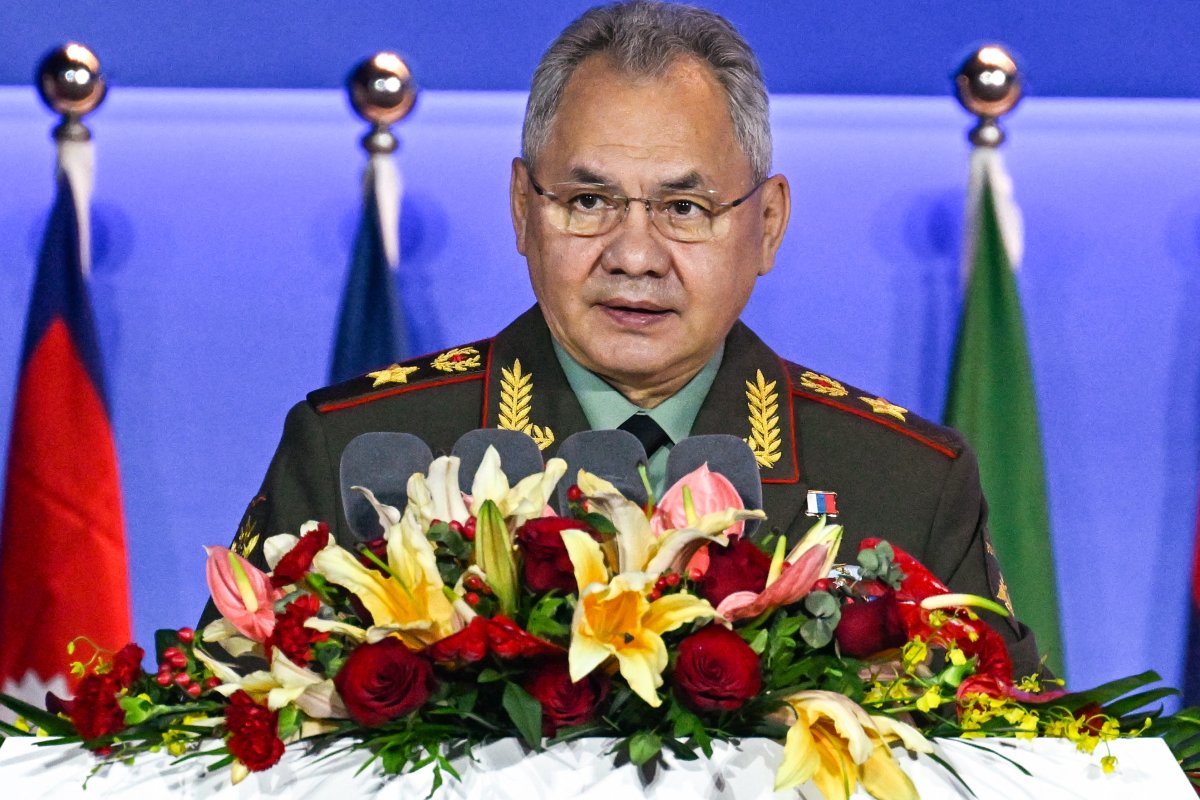
China’s top diplomat just made it clear: Beijing is done waiting on the sidelines. On May 6, 2026, Foreign Minister Wang Yi sat down with Iranian Foreign Minister Abbas Araghchi in Beijing and laid out a demand for a "complete" and immediate ceasefire. It's the first time Araghchi has traveled to China since the war with the U.S. and Israel kicked off back in February, and the timing isn't an accident.
If you’ve been watching the gas pump or your heating bill lately, you know why this matters. The world is choking because the Strait of Hormuz is effectively a no-go zone. China, which imports a massive 80% of Iran’s oil, is feeling the squeeze more than anyone. This meeting isn't just about "peace"—it's a high-stakes play to get the energy flowing before the global economy takes a permanent dive.
The Strait of Hormuz bottleneck
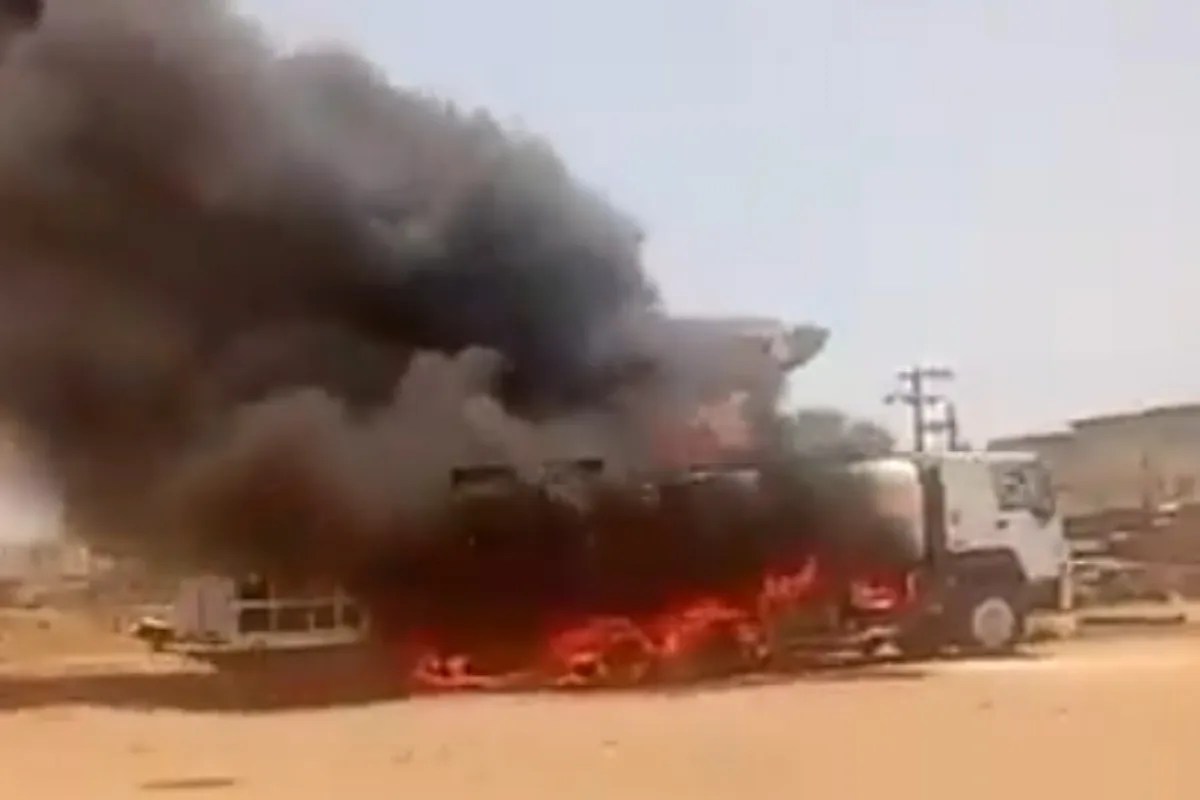
The real story here is the water. Iran’s closure of the Strait of Hormuz has turned global trade into a nightmare. We’re talking about a waterway that handles a huge chunk of the world’s oil, gas, and fertilizer. Right now, it’s a graveyard for commercial shipping.
Wang Yi didn't mince words. He called for the reopening of the Strait "as soon as possible." It’s a direct message to both Tehran and Washington. China is basically telling Iran, "We've got your back diplomatically, but you need to let the tankers through." At the same time, it’s a nudge to the U.S. to stop the military pressure that’s keeping the region on fire.
Why Beijing is acting now
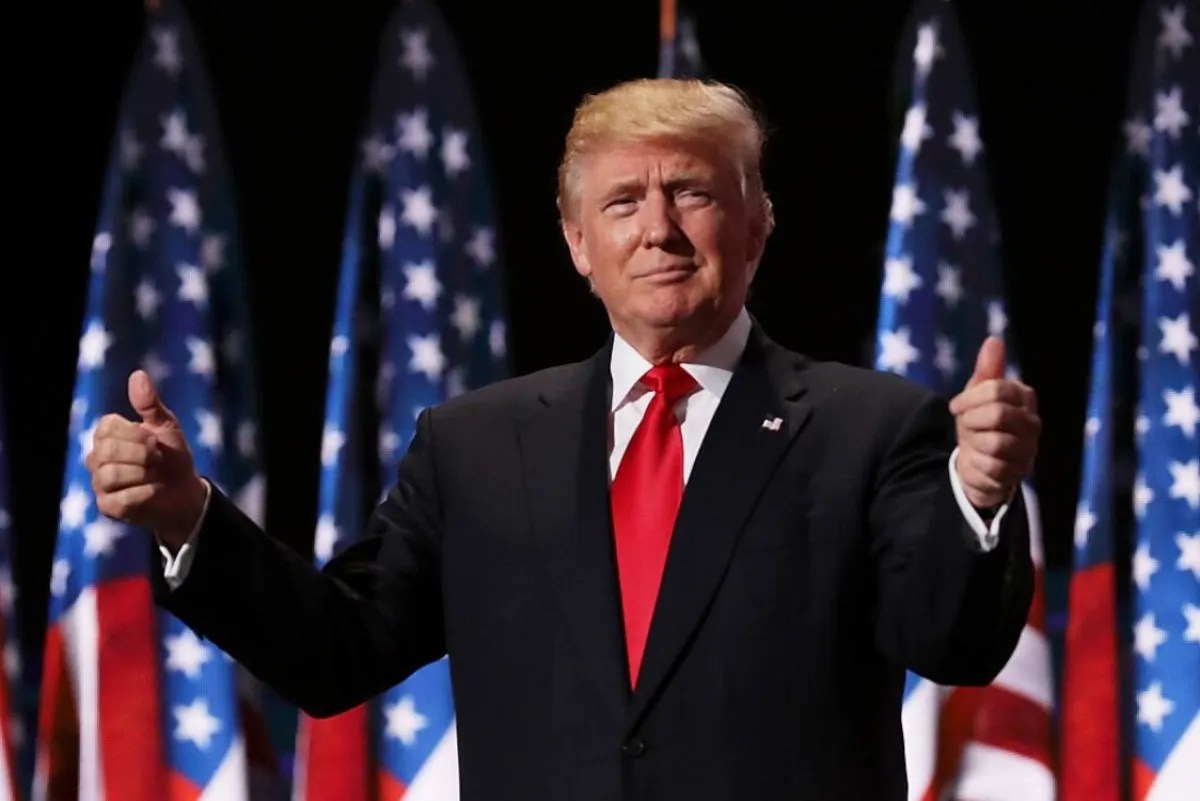
You might wonder why China didn't go this hard two months ago. The answer is the upcoming summit between President Xi Jinping and Donald Trump. Trump is headed to Beijing in about a week. By securing a commitment from Iran for a ceasefire now, Xi walks into those meetings with massive leverage.
He can basically offer Trump a "peace prize" on a silver platter. If China can be the one to reopen the Strait of Hormuz, they look like the adult in the room while the U.S. and Israel are seen as the ones doing the heavy lifting with bombs. It’s a classic power move. Beijing wants to show it can project power and broker deals where the West has failed.
The dual blockade problem
It's not just Iran's fault, though. We’re currently stuck in a "dual blockade."
- The Iranian Blockade: Tehran has shuttered the Persian Gulf, claiming "sovereign governance" over the waters.
- The U.S. Blockade: The U.S. Navy is blockading Iran and recently tried to escort ships out under "Operation Project Freedom."
On May 4, the U.S. started that escort mission, and things got tense fast. Iran called it a breach of the truce. But yesterday, Trump paused the operation, citing "great progress" toward a deal. That’s the opening Wang Yi is trying to drive a truck through.
What China actually brings to the table
Critics say China just issues "vaguely worded" proposals. But honestly, they have the one thing the U.S. doesn't: the checkbook. China is Iran’s biggest customer. If Beijing tells Tehran that the oil money stops if the fighting doesn't, Iran listens.
We’ve already seen this work. Back in April, China was the key player that got Iran to accept a two-week ceasefire proposal from Pakistan. They don't need to send troops to have influence. They just need to keep the refineries in Dalian running on Iranian crude—or threaten to stop.
The military "grey zone"
Beijing claims they're neutral, but that’s a bit of a stretch. While they aren't fighting, they’ve been accused of sending "dual-use" tech to Tehran.
- Satellites: Leaked documents show Iran’s IRGC may have acquired a Chinese high-res reconnaissance satellite late last year.
- Parts: The U.S. has hit Chinese firms with sanctions for allegedly sending chipmaking tools and missile components to Iran.
- Defiance: Just this week, China’s Ministry of Commerce told its banks to ignore U.S. sanctions on Chinese refineries. They’re basically telling Washington that their laws don't apply to Chinese trade.
What people get wrong about this conflict
Most people think this is just a religious or regional spat. It’s not. It’s an energy war. If the fighting doesn't end "completely," we aren't just looking at higher prices at the pump. We’re looking at a total collapse of supply chains for electronics and agriculture.
China knows this. They aren't calling for a ceasefire because they’ve suddenly become pacifists. They're doing it because their own industrial machine is at risk of stalling out.
What happens next
Keep your eyes on the next 48 hours. If Iran agrees to Wang Yi's "complete cessation" framework, the U.S. might actually extend the current truce.
- Watch the Strait: If we see even one commercial tanker escorted out by a neutral party (maybe Pakistan or a Chinese-led task force), the war is effectively over.
- The Trump-Xi Summit: Everything depends on what happens May 14-15. If Xi can convince Trump to ease up on "regime change" rhetoric in exchange for a permanent Hormuz opening, the world might finally breathe.
Don't wait for the headlines to tell you the war is ending. Watch the shipping insurance rates in the Persian Gulf. When those start to drop, you’ll know Beijing’s diplomacy actually worked. If you're invested in energy or international trade, now is the time to hedge your bets on a stabilized Middle East—or at least a very expensive, very tense truce.