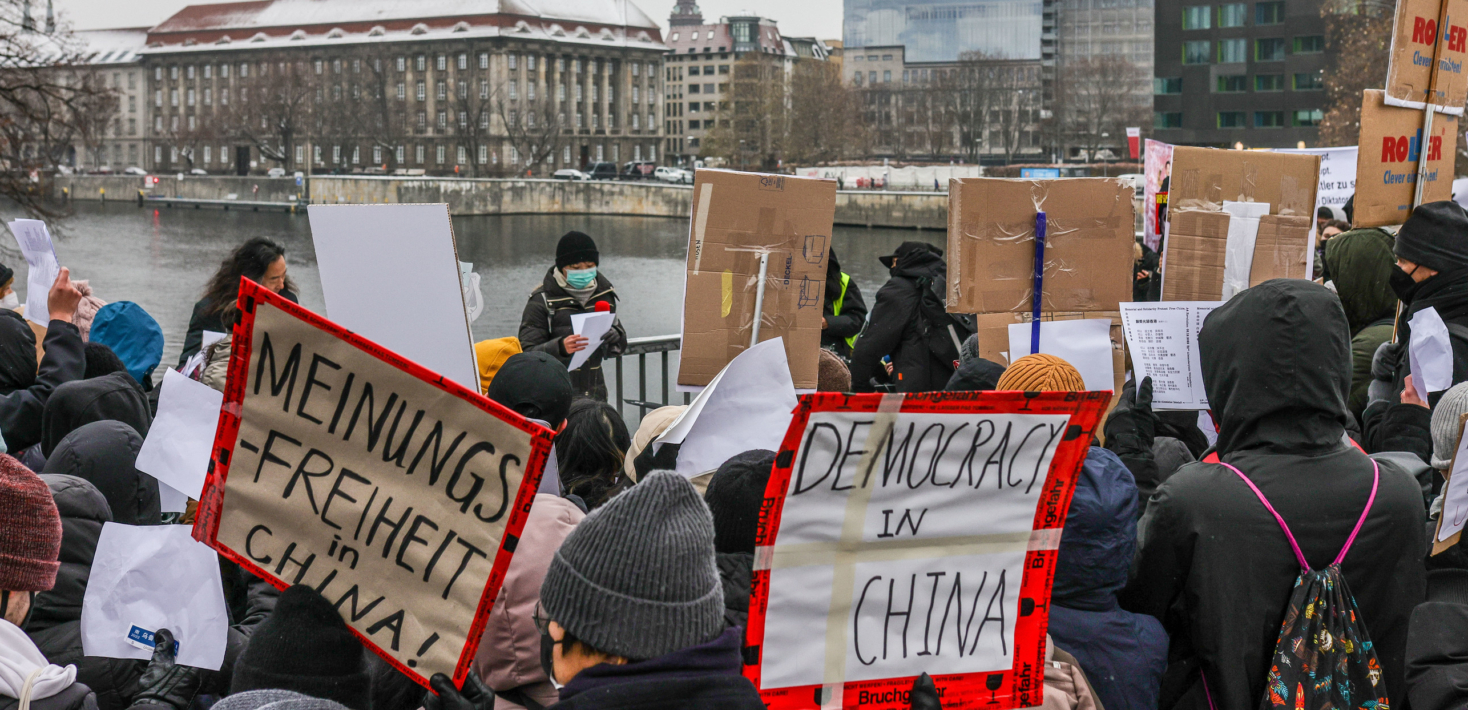
Beijing has a long arm. If you think fleeing authoritarian rule means finding safety, you are mistaken. For the Uyghur diaspora, crossing a border does not bring peace. It just changes the nature of the threat. The World Uyghur Congress recently sounded the alarm on this growing crisis. They are calling out China's escalating campaign of transnational repression. It is a systematic effort to silence dissent far beyond China's physical borders. This isn't just about espionage. It is about total control.
Activists, journalists, and everyday citizens face harassment on foreign soil. They receive threatening phone calls from state agents. Their families back home face sudden detention. Governments around the world are watching it happen. Some offer lip service. Few offer real protection.
Understanding this threat is crucial. It changes how democratic societies must protect human rights within their own borders.
The Reality of Beijing's Global Reach
Transnational repression sounds like academic jargon. It isn't. It is a terrifying daily reality for thousands of people. The World Uyghur Congress highlights how the Chinese government utilizes a sophisticated toolkit to target dissidents abroad.
Think about getting a video call from your aging mother in Xinjiang. Instead of a normal conversation, a Chinese police officer is sitting next to her. He tells you to stop attending protests in London or Washington. If you don't, your mother goes to a camp. That is digital transnational repression. It happens constantly.
Freedom House tracked physical acts of transnational repression globally. Their data shows China is the world's most prolific perpetrator. The tactics are diverse and relentless.
- Digital Surveillance: Spyware infects the phones of activists. State-backed hackers target community organizations.
- Proxy Coercion: Family members inside China are used as hostages to force compliance from relatives abroad.
- Abuse of International Systems: Beijing uses Interpol Red Notices to target political opponents, treating legitimate activists as international fugitives.
- Diplomatic Pressure: Host countries face economic threats if they refuse to deport Uyghurs back to China.
This isn't happening in a vacuum. It is a calculated strategy to dismantle the global Uyghur movement. By targeting individuals, the state aims to break the collective will of the diaspora.
Why Western Responses Are Failing
Most democratic nations claim to support human rights. Yet, their actions against transnational repression remain weak. Law enforcement agencies are often unequipped to handle these cases.
A local police officer in Germany or Canada doesn't know how to handle a state-sponsored intimidation campaign. They see a threatening text message. They treat it like a standard harassment case. They miss the bigger picture. They don't realize a foreign intelligence service is pulling the strings.
This lack of specialization leaves victims isolated. Many Uyghurs stop reporting threats. They feel no one can help them. The system fails them because it doesn't see the threat for what it is.
Economic ties also complicate the response. Many nations hesitate to anger Beijing. They fear trade retaliation. This hesitation signals weakness. It tells authoritarian regimes that they can operate with impunity on democratic soil.
How Democratic Nations Must Fight Back
We need to shift from passive condemnation to active deterrence. Countering this threat requires concrete legal and structural changes.
Governments must establish specialized units within national law enforcement agencies. These units need training to recognize state-backed harassment. They must know how to trace digital threats back to foreign state actors. Victims need a direct, secure line to report intimidation without fear of bureaucratic indifference.
Sanctions must have real teeth. The Global Magnitsky Act allows governments to sanction individuals who commit human rights abuses. These laws should target officials directing transnational repression campaigns. If a Chinese official orders the harassment of an activist in Paris, that official should face immediate financial penalties and travel bans.
International institutions require reform. Beijing cannot be allowed to weaponize Interpol. Democratic nations must vet Red Notice requests from authoritarian regimes strictly. If a request targets a political dissident, it should be rejected immediately.
What You Can Do to Support the Movement
The scale of state-sponsored repression is daunting. However, individual awareness and community action can drive policy shifts.
Start by demanding accountability from local representatives. Ask what your government is doing to protect targeted communities within your country. Support organizations like the World Uyghur Congress that document these abuses and advocate for international intervention.
Securing your own digital spaces matters too. If you interact with activists or dissident communities, use encrypted communication channels. Implement strong digital security practices to protect yourself and those you communicate with from state surveillance.
Public pressure forces governments to act. By keeping the spotlight on these abuses, we make it harder for politicians to prioritize economic interests over human rights. The fight against transnational repression requires a coordinated global defense of fundamental freedoms.