Leaving an abusive partner is the most dangerous thing a woman can do. It is not just a statistic or a warning phrase found on a helpline brochure. It is a stark, brutal fact of criminal justice.
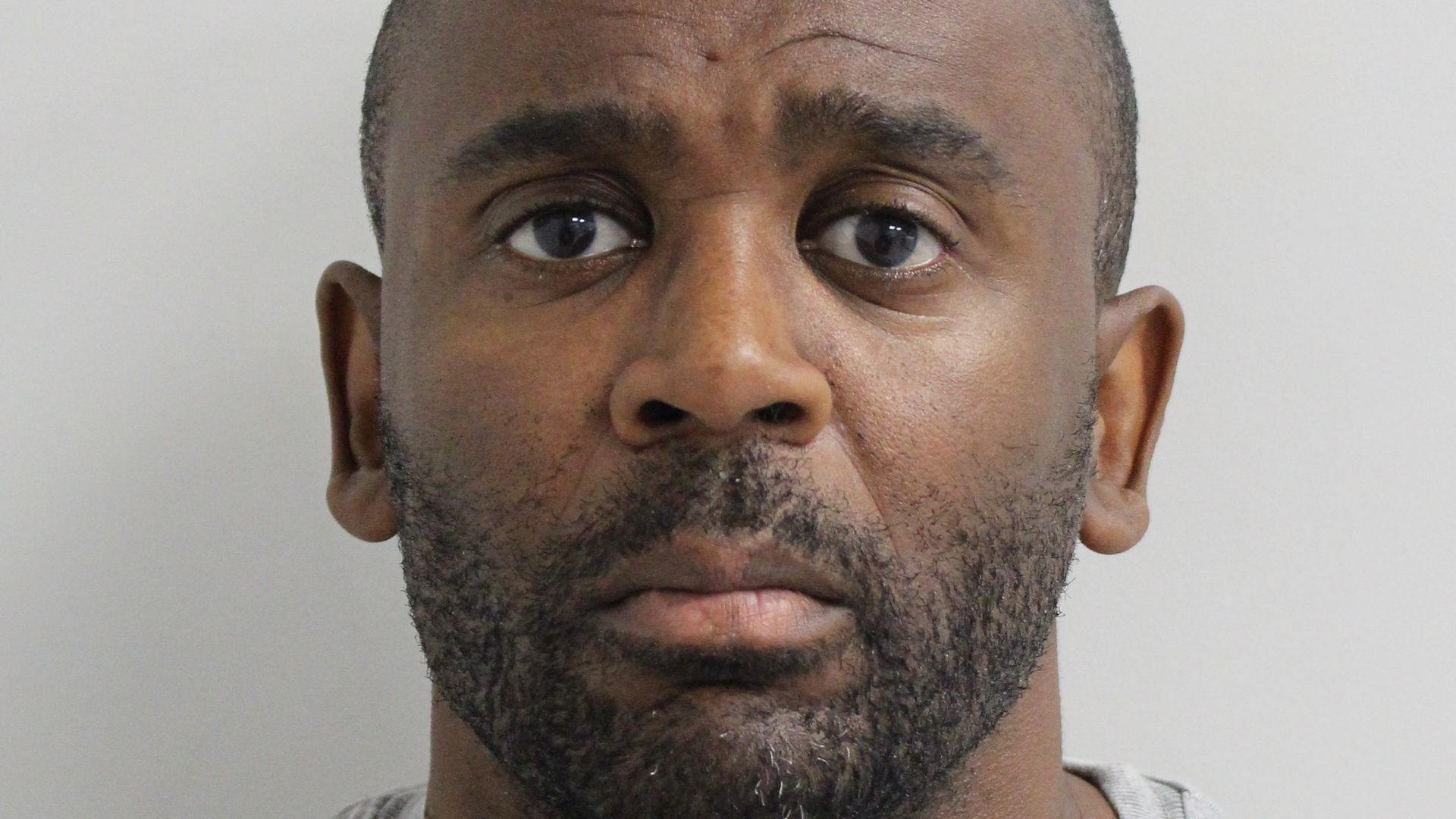
On Tuesday, June 9, 2026, Clifton George was sentenced at Snaresbrook Crown Court to life in prison with a minimum term of 23 years. His crime was the horrific murder of his partner, 46-year-old Annabel Rook. Before the sentencing, a jury convicted George after hearing how he brutally stabbed Annabel at least 22 times in their Stoke Newington home. He then unleashed a gas explosion in a desperate attempt to destroy the crime scene and take his own life.
The sentence brings legal closure, but it opens a vital conversation about domestic abuse, controlling behavior, and the critical window of danger that victims face when a relationship ends.
The Illusion of the Sudden Snap
During the trial, the prosecution detailed the terrifying sequence of events from June 17, 2025. An argument escalated rapidly. George punched Annabel, tried to strangle her, and then walked to the kitchen to arm himself with a knife. He returned and inflicted dozens of stab wounds, including a fatal strike through her heart.
George pleaded guilty to manslaughter, claiming he simply "lost it" after discovering she had lied to him. This is a common defense tactic in domestic homicides. It frames the murder as a sudden, unpredictable explosion of rage, a temporary loss of control.
The reality is almost always different. Annabel’s father, Peter Rook, a retired Old Bailey judge, spoke out after the sentencing. He revealed that the family had to endure hearing about the years of abuse his daughter suffered before her death. The fatal attack was not an isolated incident. It was the culmination of a long history of coercive control and violence.
Abusers do not snap. They escalate when they feel their control slipping away.
The Logistics of a Failed Cover Up
What George did after the murder shows a chilling level of calculation, completely undermining the idea of a man frozen by sudden regret.
He went into the basement of the Dumont Road property and opened the valve of a propane gas canister. To guarantee a spark, he repeatedly flipped the house circuit breakers on and off. When that failed to ignite the gas, he lit all the rings on the kitchen hob. When that failed too, he manually started a fire in the basement.
The resulting blast tore through the building, lifting floorboards, throwing furniture, and blowing the roof off the kitchen extension. The explosion shook the neighborhood, with next-door residents reporting what felt like a localized earthquake.
When neighbors rushed to help, they found George lying on the kitchen floor covered in blood, attempting to stab himself in the neck with broken glass. Annabel’s body was discovered deep within the wreckage.
Understanding the Fatal Separation Window
The most profound insight from this tragedy came directly from Peter Rook, who noted that the evidence showed Annabel was incredibly courageous until the very end. He emphasized a truth well-known to domestic abuse professionals but often misunderstood by the public. The most dangerous time for a victim in an abusive relationship is when she tries to leave.
Data from the domestic abuse charity Refuge consistently shows that a huge percentage of domestic homicides occur when the victim terminates the relationship or during the immediate months following a split.
When a controlling partner realizes they are losing their grip on their victim, their behavior shifts from enforcement of control to total destruction. If they cannot own the person, they decide that no one else will. Annabel had spent her life protecting others, but her own domestic situation had turned into a lethal trap.
The Legacy Beyond the Crime Scene
Annabel Rook was not just a victim of domestic homicide. She was an exceptionally active, vital member of the north-east London community. She worked in refugee camps and schools, and she co-founded MamaSuze, a social enterprise designed to provide creative outlets, drama workshops, and structural support for refugee and migrant women.
Her work focused entirely on lifting up vulnerable women. The bitter irony that she lost her life to the very violence she fought against is a heavy blow to the Stoke Newington community.
Following the verdict, Detective Chief Superintendent Brittany Clarke reiterated that tackling violence against women and girls remains a top priority for the Metropolitan Police. She urged anyone experiencing abuse to come forward, promising they will be taken seriously.
What Needs to Change Right Now
We cannot keep relying on the justice system to clean up the wreckage after a life has already been stolen. A 23-year minimum term keeps a dangerous man off the streets, but it does not bring Annabel back.
True intervention requires a shift in how communities handle abusive behavior before it turns fatal.
- Call out the behavior early. Friends, family, and colleagues often notice the warning signs of coercive control, isolation, extreme jealousy, or erratic tempers. Peter Rook explicitly challenged men and women to have the courage to call out violent or controlling behavior among their peers, even if it risks social awkwardness.
- Recognize the high-risk indicators. Strangling, stalking, and threats of suicide from a partner are high-level red flags that predict potential lethality. These are not standard relationship issues; they are indicators of severe danger.
- Safety plan before exiting. If you or someone you know is planning to leave an abusive partner, doing so secretly with the coordination of a professional organization is vital. Do not assume a partner will accept the breakup calmly.
If you are experiencing domestic abuse or coercive control, contact the National Domestic Abuse Helpline at 0808 2000 247 for free, confidential support available 24/7. You can also reach out to local advocacy groups or the police. Do not handle the exit strategy alone.