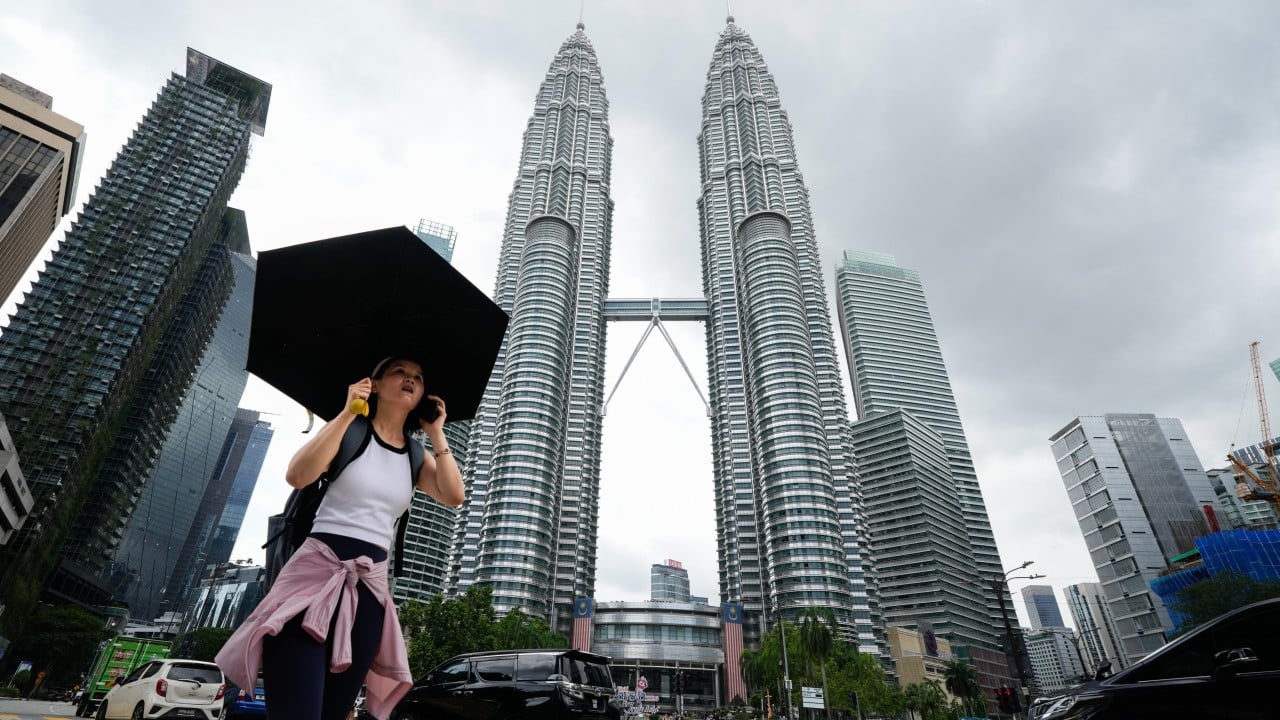
You step outside in Kuala Lumpur, and the air feels like a physical weight. It is not just hot. It is suffocating. For the generation growing up right now in Malaysia, extreme weather is no longer a distant headline or a scientific prediction for the next century. It is a daily disruption.
Recent findings from the UNICEF National Youth Climate Change Survey reveal a stark reality. Over eighty percent of Malaysian youths experienced at least one climate-related disaster over a single recent year. When floods block roads to schools, smoke from haze irritates throats, and severe heatwaves turn classrooms into ovens, the psychological toll piles up fast. Nearly all surveyed young people reported feeling emotions like fear, grief, hopelessness, or intense stress during these episodes.
So, why are young people increasingly labeled as hot-headed or overwhelmed? The answer sits at the intersection of acute physical discomfort and systemic neglect.
The Daily Grind of Rising Temperatures
We talk endlessly about carbon targets, but we rarely talk about the humidity inside a concrete school building with poor ventilation. When temperatures soar, concentration breaks down. Sleep quality drops. Irritability spikes.
It is basic biology. Extreme heat alters cognitive function and wears down emotional resilience. Young people navigating overheated environments day after day deal with chronic physiological stress.
Data shows that the impact goes far beyond bad moods. Thousands of young Malaysians report worsening existing illnesses, skin flare-ups from pollution, heat-induced sickness, and respiratory trouble. When your body is constantly fighting off the physical symptoms of a changing environment, your patience wears thin.
Eco-Anxiety Is Not Just a Buzzword
Older generations often dismiss youth frustration as teenage angst or impatience. That is a mistake. When you look at your country and see recurring floods wrecking the east coast or choking urban smog settling over administrative centers, the threat feels existential.
According to UNICEF data, over ninety percent of young respondents view climate change as a critical crisis. They are paying attention. They notice when disaster relief systems fail or when essential public services break down during heavy storms. More than half of those who lived through a climate shock report a complete lack of proper support or recovery resources.
That gap breeds profound frustration. You would be angry too if your education was repeatedly halted by flash floods while adults debated policy semantics in air-conditioned boardrooms.
Moving From Burnout to Action
Frustration can easily curdle into total apathy, but that is not what is happening on the ground in Malaysia. Despite the mental exhaustion and the physical toll of extreme weather, the vast majority of youths want a seat at the table.
They are looking toward the green economy. They want careers that fix the mess rather than add to it. But wanting to help and actually getting institutional backing are two different things.
If Malaysia wants to handle this wave of eco-frustration constructively, structural changes cannot wait. Schools need passive cooling solutions, better shade, and reliable hydration access. Mental health resources must expand to treat climate distress as a legitimate medical and psychological concern rather than brushing it aside. Most importantly, policy frameworks like the National Adaptation Plan must integrate youth voices directly into urban and environmental planning.
The youth aren't just hot-headed for the sake of it. They are reacting to a world that is heating up around them while the systems meant to protect them move too slowly. Listen to what they are saying, fix the infrastructure, and give them the tools to build a safer future before resilience turns entirely into burnout.


