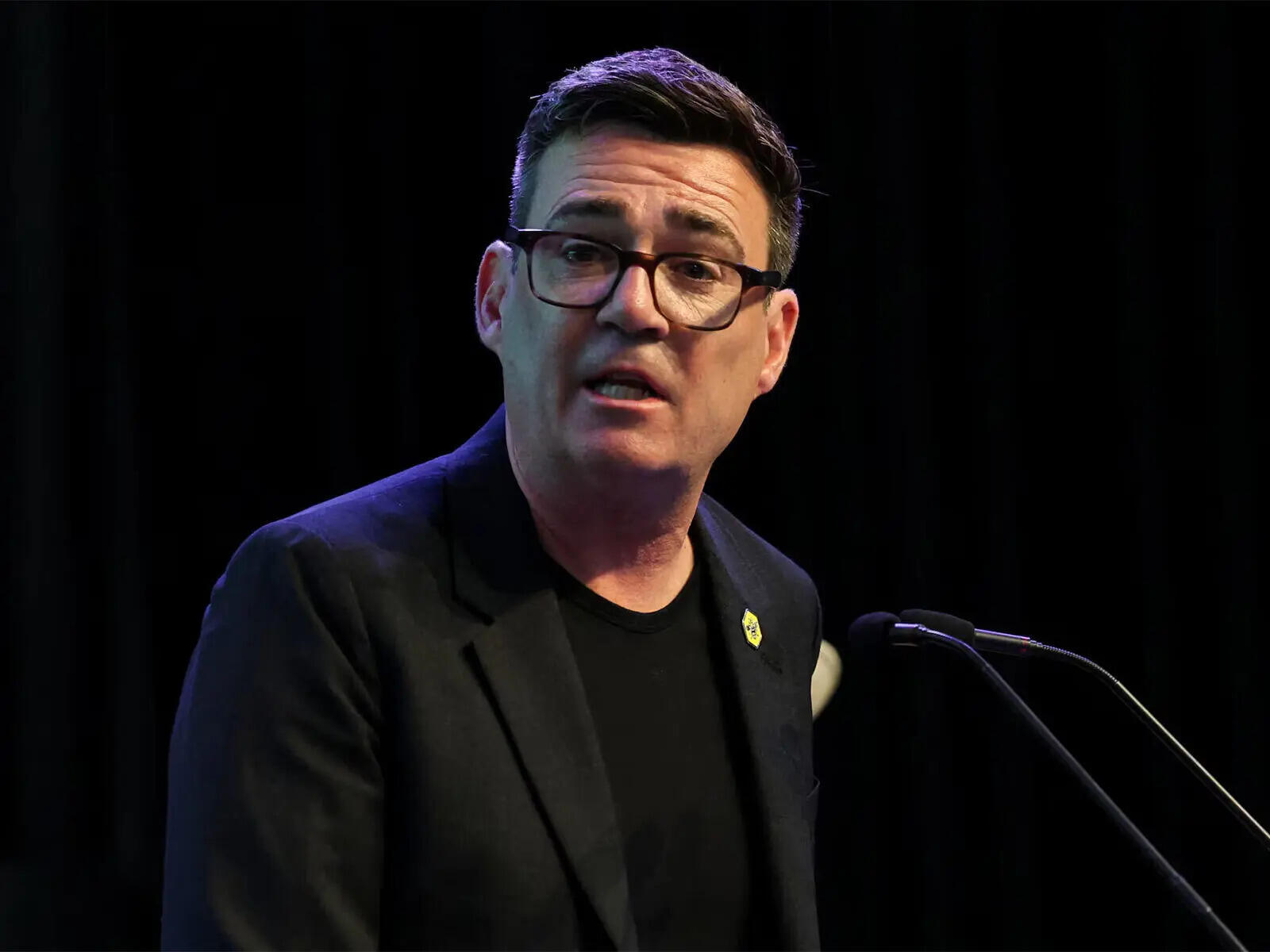
Representative Hakeem Jeffries, the Democratic minority leader, recently sat down for a quiet, undisclosed summit in New York City with Jared Kushner, the informal power broker and relative of the sitting president. This clandestine maneuver occurred while midterm campaign rhetoric reached a boiling point across the nation, exposing a deep fracture between institutional party survival tactics and grassroots expectations.
For months, party strategists have framed the upcoming congressional contests as an existential showdown against executive overreach. Yet, while public-facing surrogates hurl fiery accusations from podiums and television screens, leadership is quietly hedging its bets. Behind tinted windows and away from the press pool, Washington power dynamics rarely mirror the theatrical animosity projected to voters.
Understanding why this rendezvous happened requires looking past the immediate news cycle. It demands an examination of institutional self-preservation, the stark realities of a potential legislative gridlock, and the quiet panic gripping both political establishments as midterm anxiety sets in.
The Calculus of Shadow Diplomacy
When political elites cross party lines in secret, the motivation is almost never ideological conversion. It is pure insurance.
According to reports outlining the New York City meeting, the conversation touched upon broad administrative topics and potential areas of legislative overlap. For the inner circle surrounding the executive branch, the writing on the wall is becoming legible. Independent analysts and historical polling trends point toward a severe midterm correction, raising the very real prospect of a legislative branch flipping to Democratic control.
For Kushner, opening a backdoor channel to the presumptive future speaker is a pragmatic defensive play. It signals an attempt to build an emergency valve before any shift in congressional subpoenas or committee oversight begins.
For Jeffries, the logic is equally calculated, albeit fraught with peril. A leader eyeing the gavel must calculate how bills will actually pass if the executive branch remains firmly under opposing control. Pure obstructionism plays well on a campaign trail, but it yields zero operational victories. By testing the waters early, leadership attempts to secure a baseline of communication that could prevent total governmental paralysis.
The Grassroots Disconnect
The immediate backlash from the party base highlights a profound misalignment within the modern political apparatus. While institutional players view backchannel diplomacy as a mark of maturity and statecraft, everyday voters often see it as a form of betrayal.
Decades of escalating polarization have trained the electorate to view politics as a zero-sum war. When voters watch their champions trade sharp barbs by day only to sup with the opposition's inner circle by night, trust erodes.
Consider a hypothetical scenario common in modern legislative strategy. A party campaigns on launching aggressive, unsparing investigations into executive branch corruption. Simultaneously, leadership explores quiet compromises to keep baseline funding bills moving. To a career insider, this is routine dual-track governance. To a voter volunteering phone banks and donating modest sums, it looks like a dilution of purpose.
This friction creates a distinct vulnerability. If the base perceives that leadership is more interested in managing a comfortable coexistence with the opposition than in exercising raw institutional power, enthusiasm craters. Turnout in midterm elections is notoriously volatile, relying heavily on moral clarity and urgency. Cozy backchannel meetings muddy that clarity.
Navigating the Lame-Duck Horizon
The timing of this private summit amplifies its significance. As campaigns enter their final stretch, every public statement is scrutinized for weakness.
The economic anxiety weighing down household budgets, combined with foreign policy fatigue, has created a volatile electorate. Both parties are flying blind, unsure whether traditional wedge issues will hold or if voter exhaustion will upend conventional wisdom.
By initiating contact now, the players involved are acknowledging that the transition period between election night and the swearing-in of a new Congress is fraught with danger. Economic pressures, expiring authorizations, and global friction will demand immediate coordination, regardless of who holds the majority.
The danger for Jeffries lies in the perception of preemptive surrender. If voters believe the fight has been pre-negotiated in a private New York parlor, the energy required to secure a working majority risks evaporating before ballots are cast. Power concedes nothing without a demand, and quiet accommodations rarely inspire a movement.