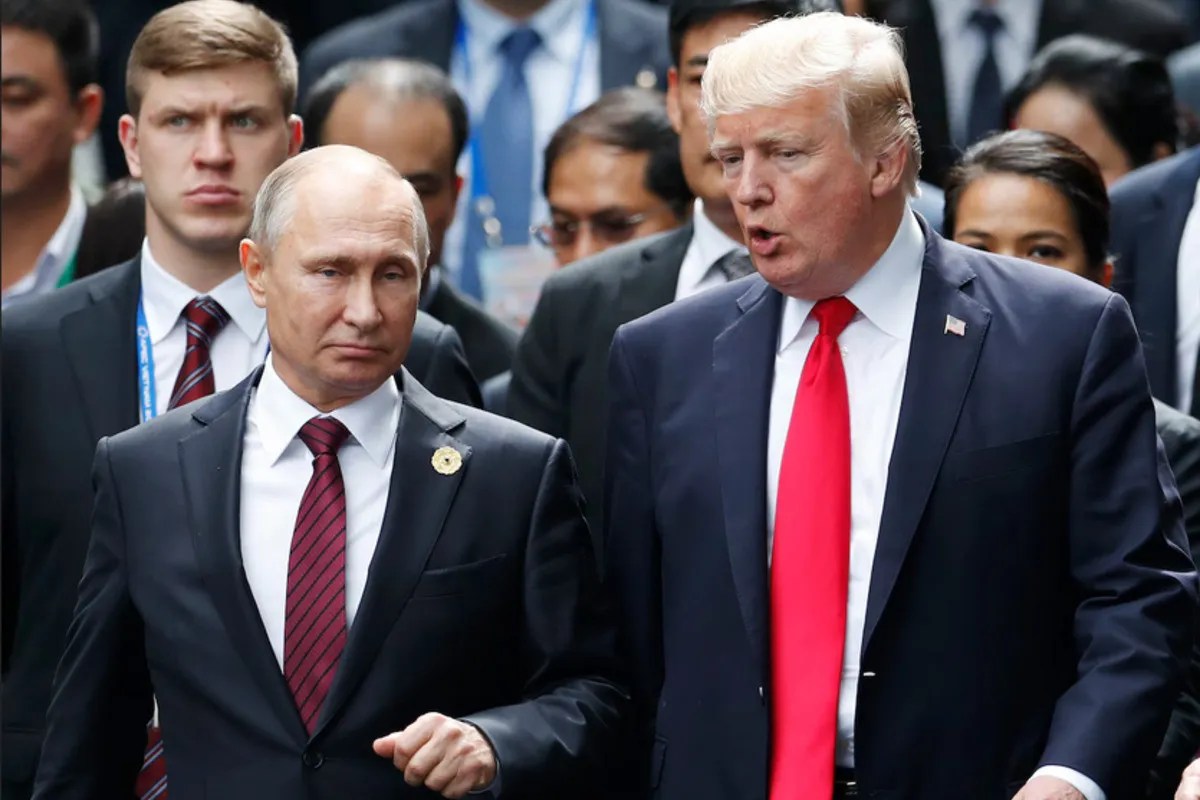
An hour-long telephone conversation between American President Donald Trump and Russian leader Vladimir Putin has laid bare the shifting mechanics of modern backchannel diplomacy. Triggered directly by a high-stakes weekend mission to Moscow and Kyiv led by special envoys Steve Witkoff and Jared Kushner, the call exposed the vast chasm separating Washington’s desire for a quick political exit from Moscow's unyielding territorial demands.
The sequence of events leading to the secure line activation began days prior when the American delegation touched down in the Russian capital. Behind closed doors in the Kremlin, Putin detailed what Moscow terms an objective assessment of the frontline. While public readouts pointed to constructive exchanges regarding economic prospects and humanitarian prisoner exchanges, the core objective remained starkly unchanged. The Kremlin continues to insist on terms that Kyiv views as total capitulation, specifically the surrender of sovereign territories in the east that remain fiercely contested. You might also find this similar coverage interesting: The Economic Architecture of Territorial Sanctions A Structural Deconstruction of the West Bank Trade Bans.
The Envoy Shuttle and the Limits of Personal Diplomacy
Relying on family ties and business allies for high-level statecraft bypasses traditional diplomatic channels entirely. Steve Witkoff and Jared Kushner stepped into roles traditionally reserved for career diplomats or seasoned State Department officials. This method provides speed and absolute deniability, yet it frequently strips negotiations of institutional memory and rigorous policy vetting.
When the delegation transitioned from Moscow to Kyiv to brief Ukrainian President Volodymyr Zelenskyy, the structural flaws of this parallel diplomacy became evident. Zelenskyy drew a hard line against territorial concessions, reiterating that any framework sacrificing land for temporary security guarantees is fundamentally unviable. The American envoys found themselves carrying messages between two entrenched capitals where the definitions of peace and victory occupy completely different realities. As reported in latest reports by Al Jazeera, the implications are widespread.
The temporary capital strikes pause—where both sides agreed to hold fire on Moscow and Kyiv during the delegation's transit—demonstrated that tactical de-escalation is entirely possible when leadership demands it. Yet, this localized mercy did not translate into strategic compromise. The moment the diplomatic motorcades departed, the artillery along the eastern sectors resumed its grinding rhythm.
Decoding the Kremlin Strategy
The phone call with Trump served a distinct propaganda and strategic purpose for Moscow. Kremlin aide Yuri Ushakov lost no time framing the conversation for international media, emphasizing Putin’s assurances that Russia harbors no aggressive intentions toward European nations. By addressing European security fears directly through the Washington backchannel, Moscow aims to fracture the unified front maintained by NATO allies.
Ushakov explicitly claimed that warnings of a broader Russian threat are manufactured myths designed to justify sustained European military spending and continued resource allocation to Ukraine. This rhetoric targets domestic political fractures inside Western democracies, where war fatigue and economic pressures are growing variables.
Trump, eager to fulfill campaign promises regarding a swift conclusion to the conflict, finds himself cornered by these maximalist positions. The American administration faces a difficult trajectory. Pushing too hard for a premature settlement risks abandoning an ally to territorial dismemberment, while failing to secure a deal prolongs a costly geopolitical hemorrhage that drains Western stockpiles.
The Cost of Deferred Realities
Diplomatic theater often substitutes for genuine movement when neither belligerent is exhausted enough to capitulate. Russia believes time is on its side, betting that industrial capacity and demographic scale will eventually break Ukrainian resilience. Kyiv knows that accepting current territorial losses invites future aggression, setting a dangerous precedent for international borders.
As the dust settles from the Witkoff-Kushner mission and the subsequent presidential call, the structural impediments to peace remain entirely intact. No amount of phone diplomacy can bridge a fundamental disagreement over who owns the land on which the war is being fought.
The backchannel remains open because both Washington and Moscow find utility in talking, even when agreement is impossible. The next phase will test whether the white noise of diplomatic messaging can survive the brutal winter campaigns heading toward the frontlines.


