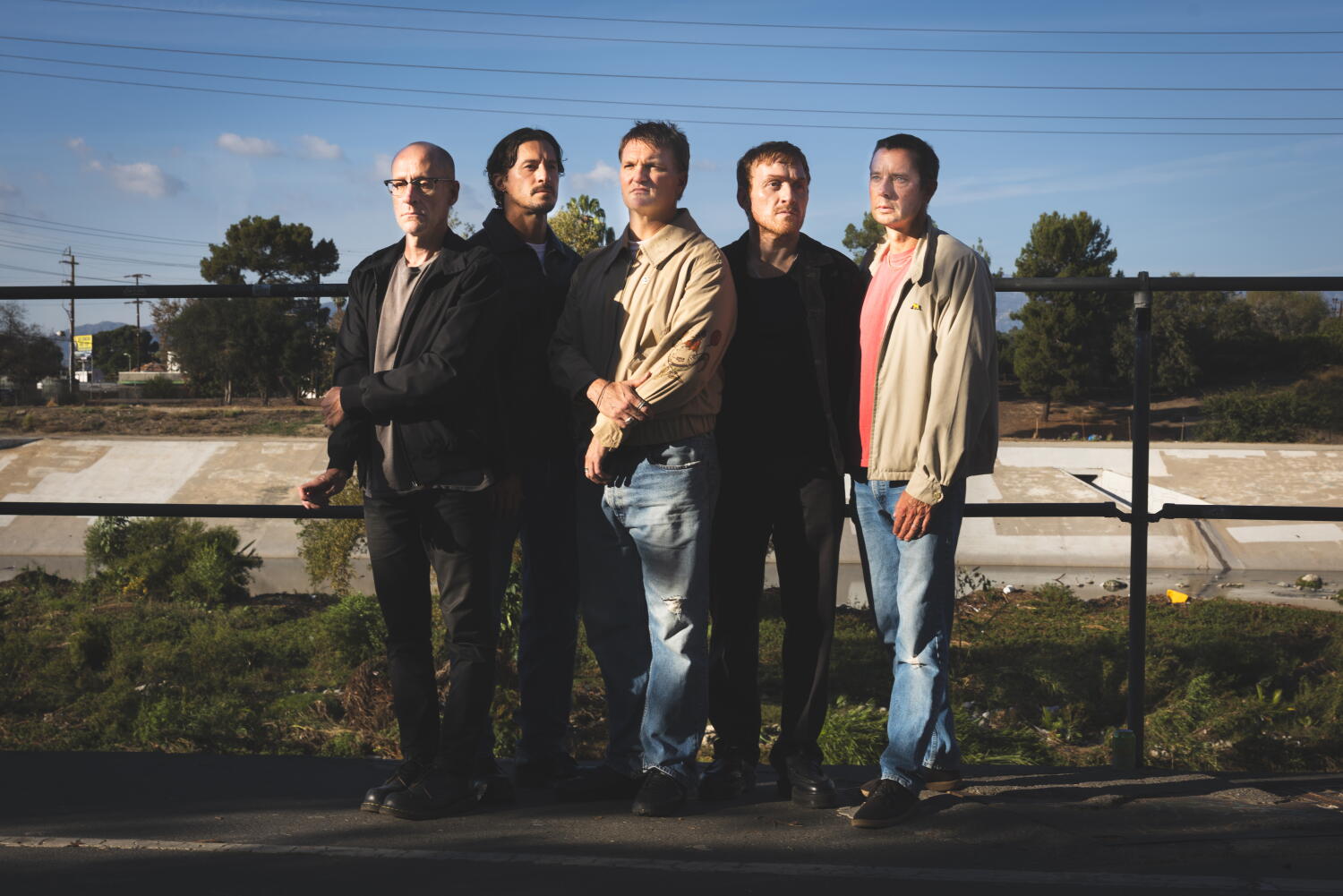
Two decades ago, indie rock felt like a gold rush where everyone had a pickaxe and nobody had a plan. You couldn't walk down a street in Brooklyn or Silver Lake without tripping over a band wearing thrift-store vests, playing angular guitar riffs, and praying for a Pitchfork nod. Most of those groups vanished by 2012. Cold War Kids didn't just survive that meat grinder—they quietly built one of the most durable, working-class careers in modern alternative music.
If you only know them from "Hang Me Up to Dry" or the massive radio ubiquity of "First," you're missing the actual story. Twenty years after their debut album Robbers & Cowards dropped in October 2006, the Fullerton, California band is still packing theaters, dropping albums every couple of years, and pulling millions of monthly listeners without relying on legacy-act nostalgia tours.
How did a bunch of guys who met at Biola University—a private evangelical Christian college in Southern California—end up becoming an indie-rock institution? They refused to play by the rules that killed off their peers.
The 2006 Indie Class Was Brutal
To understand why Cold War Kids still matter, you have to look at the graveyard of mid-2000s indie bands. Back in 2006, the blog-rock ecosystem was ruthless. Hype cycles moved fast, and critical darlings were routinely chewed up and spit out before their second album even hit record store shelves.
Cold War Kids entered that arena with a sound that honestly confused people at first. Nathan Willett didn't sing like a detached, cool-kid frontman. He yelped, wailed, and hammered on a battered piano like a revivalist preacher having a crisis of faith in a dive bar. Bassist Matt Maust played thick, melodic lines that carried the songs while guitars clattered around the edges.
Critics didn't always know what to do with them. Robbers & Cowards got solid reviews, though some tastemakers dismissed their blues-punk soul as overly theatrical. Looking back from 2026, that theatricality is the exact reason the record aged well. While bands chasing the trendy post-punk revival sound ended up sounding dated within five years, Cold War Kids sounded timeless because they were pulling from gospel, soul, and messy human guilt rather than whatever was cool on MySpace that week.
They Survived Lineup Changes That Break Normal Bands
Most bands treat a founding member leaving like a fatal diagnosis. Cold War Kids treated it like an opportunity to evolve.
Between 2012 and 2016, the original lineup fractured. Guitarist Jonnie Russell and drummer Matt Aveiro departed, leaving Willett and Maust as the sole remaining founders. For a lot of fans, that felt like the beginning of the end. Instead of folding or hiring anonymous touring musicians to mimic the old sound, Willett and Maust rebuilt the band's DNA from the ground up.
Bringing in multi-instrumentalist Dann Gallucci (formerly of Modest Mouse and Murder City Devils), Matthew Schwartz, and drummer Joe Plummer completely changed how they wrote songs. They shifted away from the raw, lo-fi garage-soul of their early EPs and embraced bigger, cleaner, rhythm-driven pop structures.
Purists complained. They always do. Anytime a band trades a dusty upright piano for synthesizers and crisp production, somebody on the internet accuses them of selling out.
Here's the truth nobody talks about in music journalism: changing their sound saved their career. If Cold War Kids had spent the last fifteen years trying to recreate "We Used to Vacation" over and over, they'd be playing half-empty clubs on tenth-anniversary nostalgia circuits. By leaning into bigger hooks and tighter arrangements, they unlocked a completely new era.
The Strange Second Life of "First"
If you want proof that patience beats hype, look at the trajectory of their 2014 single "First" off the album Hold My Home.
When the track came out, it wasn't an overnight viral explosion. It climbed slowly. Radio programmers at alternative stations kept playing it because listeners simply refused to get tired of it. By 2015, it hit number one on the Billboard Alternative Songs chart—nearly a full decade after the band's debut album.
That rarely happens in rock music. Usually, a band peaks commercially on their first or second record and spends the rest of their career fighting gravity. Cold War Kids hit their biggest mainstream commercial peak nine years into their discography.
More importantly, they didn't treat that success like a fluke. They used the momentum to tour relentlessly, refine their live show into a tight, high-energy machine, and keep feeding their audience new music without long, pretentious hiatuses.
Consistency Beats Mystique Every Single Time
A lot of modern artists operate on the scarcity model. They disappear for four or five years, drop a cryptic teaser video, release a heavily guarded concept album, and vanish again. That works if you're Frank Ocean or Radiohead. For 99% of working bands, disappearing just means people forget you exist.
Cold War Kids took the exact opposite approach. They treated being in a band like an actual job—showing up, writing constantly, and putting records out on a steady rhythm. Look at their output over the past decade:
- L.A. Divine (2017) leaned shamelessly into glossy California pop-rock.
- The New Age Norms trilogy (2019–2021) broke away from traditional album cycles by releasing music in punchy, digestible volumes.
- Their 2023 self-titled album Cold War Kids brought back some of the gritty, soul-drenched piano energy that made fans fall in love with them in 2006, blending it seamlessly with everything they learned during their pop-radio years.
They never wasted energy trying to look mysterious. Willett has always been candid in interviews about the realities of making music in your thirties and forties, balancing family life with touring, and figuring out how to stay creatively hungry when you're no longer twenty-four and broke in Long Beach. That honesty builds a different kind of loyalty. Fans don't just like a couple of singles; they grow up alongside the band.
What Makes Their Live Show Actually Work
I've seen dozens of legacy indie bands phone it in on stage over the years. You can tell within three songs when a group is just collecting a guarantee—the tempos drag, the singer stands glued to the mic stand, and they save the one hit song for the encore while looking bored out of their minds.
Cold War Kids never fell into that trap because their songs are physically demanding to perform. Willett still attacks the piano and works the stage with the frantic energy of a guy trying to win over a skeptical bar crowd in 2005. Maust still bounces around the stage like he's plugged into a wall outlet.
They also understand setlist pacing better than most of their contemporaries. They don't make audiences sit through forty-five minutes of obscure deep cuts before playing "Hospital Beds" or "Something Is Not Right With Me." They weave the 2006 material right next to newer tracks like "Run Away With Me" or "Love Is Mystical," proving that the underlying songwriting holds together regardless of which era a track came from.
The Lesson Most Bands Ignore
Music fans love romanticizing the tortured genius who burns bright and flames out by age twenty-seven. It makes for great documentaries and terrible careers.
The real secret behind Cold War Kids reaching the twenty-year mark isn't some magical industry connection or a lucky algorithm boost. It's adaptability paired with stubbornness. They were stubborn enough to keep touring and writing through lineup overhauls, shifting radio formats, and the complete collapse of the traditional album-sales economy. At the same time, they were adaptable enough to let their sound grow up instead of freezing themselves in amber to please gatekeepers.
If you haven't checked in on them since college, go back and listen to Robbers & Cowards front to back, then immediately put on their 2023 self-titled record or New Age Norms 1. You'll hear a band that refuses to coast on old memories—and if they come through your city on tour this year, buy a ticket and watch how a real working rock band earns its keep.