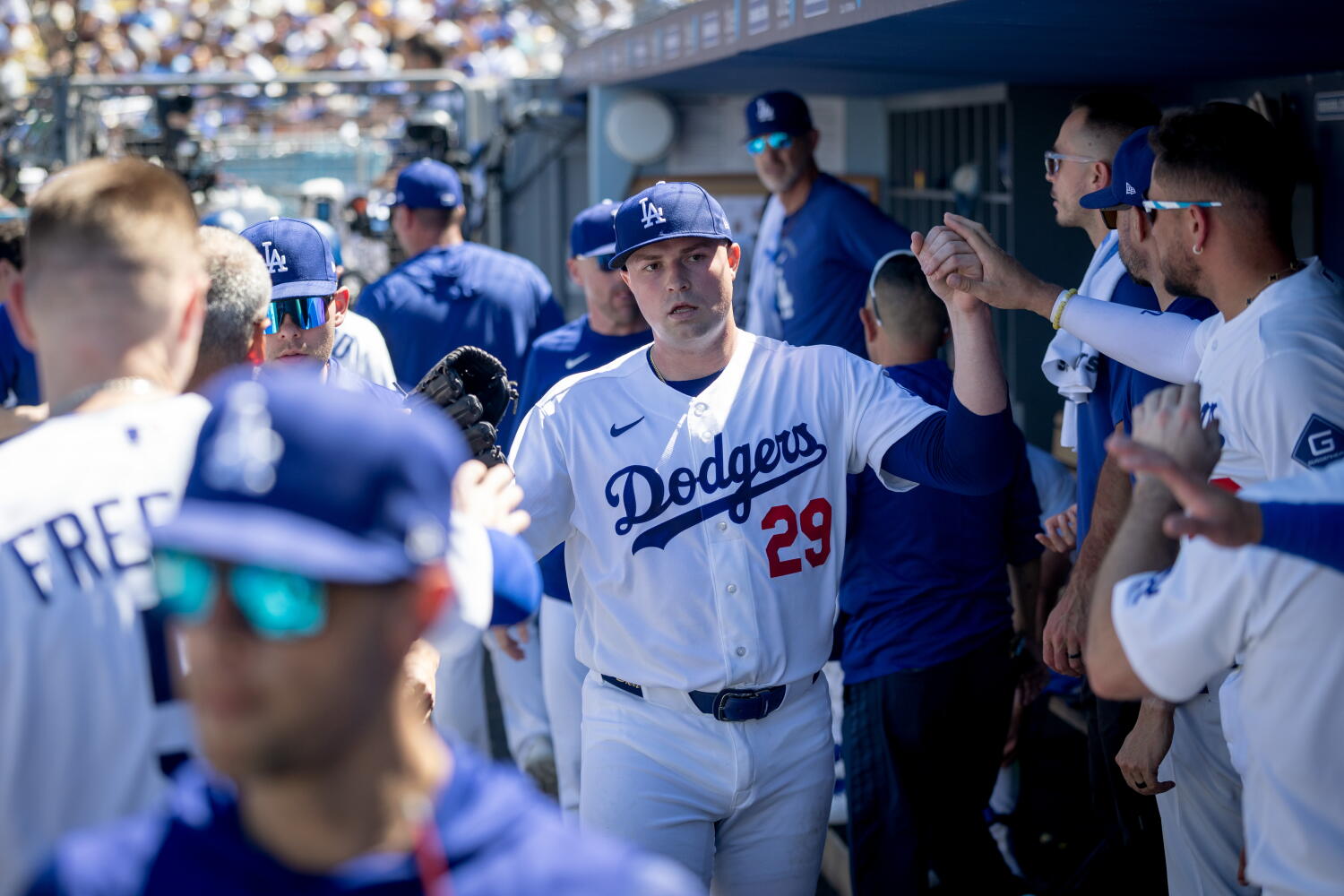
Tarik Skubal walks back onto the mound at Comerica Park wearing visiting gray instead of home white, facing the Detroit Tigers for the first time since his abrupt trade to the Los Angeles Dodgers. For fans filling the seats in Michigan, the primary question is how a two-time Cy Young Award winner handles the raw emotional weight of facing the franchise that built him. Yet beneath the sentimental narrative of a hometown hero returning lies a stark financial reality. Midseason blockbusters involving elite, cost-controlled franchise cornerstones expose a system where small-to-mid-market teams must eventually surrender generational talent simply because they cannot afford the impending price tag of free agency.
The mechanics of modern roster construction dictate this cold math. When a ninth-round draft pick blossoms into a back-to-back Cy Young recipient, his value on the open market completely outstrips the internal budget of an organization striving for sustainable parity. Detroit did not want to trade Skubal. They were forced into a corner by the ticking clock of his service time and the looming reality of a payroll ceiling.
The Anatomy of a Forced Departure
Look at how the transaction unfolded behind closed doors. Weeks before the deadline, opposing front offices began quietly mapping out their prospect capital, knowing the Tigers faced an impossible choice. Pay market rate for an ace entering his prime or cash out while his trade value sat at absolute peak elevation.
Consider a hypothetical example to illustrate the financial strain. If a dominant left-hander commands upward of thirty million dollars annually on a long-term extension, a mid-tier payroll must sacrifice depth across four other positions to accommodate that single contract. That structural imbalance kills competitive windows faster than any slump.
Manager A.J. Hinch admitted the friction of the aftermath. The clubhouse lost more than a premier arm when Skubal packed his bags, famously taking his high-end espresso machine along with his devastating fastball-changeup mix. Locker room chemistry takes a direct hit when an organizational anchor is swapped for a handful of minor league lottery tickets.
Why Familiarity Breeds Total Warfare
Hitters in that Detroit dugout spent years tracking Skubal's bullpen sessions, deciphering his spin rates, and timing his velocity during live batting practice. They know the exact movement profile of his slider. They recognize the slight mechanical tells that signal a changeup is coming.
Logic suggests that intimate knowledge gives the batters an upper hand. Professional sports rarely follow simple logic. Hitters often overthink when facing a former teammate, searching for patterns that no longer exist while the pitcher adjusts his sequencing specifically to exploit their tendencies.
Spencer Torkelson and his teammates spent the week downplaying the personal narrative, emphasizing that friendship stops the moment the umpire yells play ball. That transition from sharing morning coffee to standing sixty feet apart with a bat in hand highlights the surreal nature of professional athletics. Business considerations override human bonds on a daily basis.
The Dodgers Advantage and the Competitive Chasm
Acquiring a pitcher of Skubal's caliber allows an already formidable juggernaut like Los Angeles to fortify its rotation for a relentless October push. They possess the financial muscle to absorb market rates and the prospect depth to withstand surrendering top-tier talent without crippling their farm system.
This creates an unbridgeable gulf between franchises that can spend freely and those that must cycle through developmental phases. Fans in Detroit cheered Skubal through his rise from a late-round selection to baseball royalty. They watched him capture a Triple Crown and cement his legacy in the American League.
Seeing him pitch against them in a Dodgers uniform serves as a bitter reminder of how the economic structure favors the wealthiest spenders. The scoreboard at Comerica Park will display balls and strikes, but the underlying subtext remains an indictment of a system where sustaining greatness outside of a massive market is nearly impossible. Skubal toes the rubber looking for another scoreless frame, while the front office he left behind hopes the prospects they received in return pan out well enough to start the cycle all over again