You know the sound. It is the low, bone-deep thrum of a delivery truck idling outside your bedroom window at six in the morning, vibrating through the floorboards before you even open your eyes. It is the rhythmic, maddening screech of brake pads on tarmac. It is the asphalt baked so hot in July that the air above it shimmers, trapping exhaust and impatience in a stagnant bowl between concrete walls.
We built cities to bring us closer together. Then we designed them so efficiently that we spend half our lives staring at the bumper of the car ahead, waiting for a light to turn green.
Traffic is not just a logistical inconvenience. It is a slow, daily erosion of time.
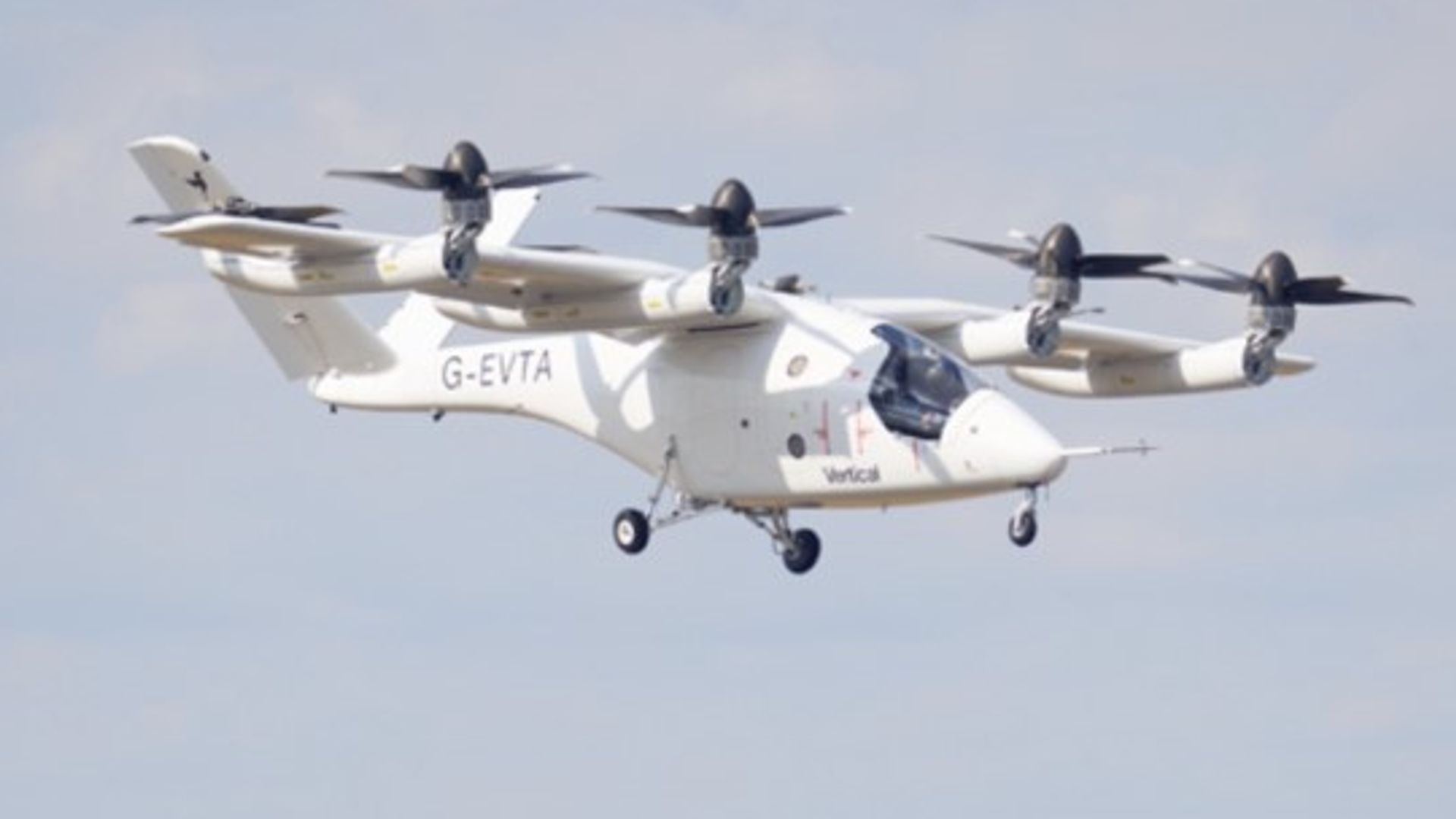
Consider what happens next: the inevitable news flash about another funding round, another corporate milestone, another press release written in the bloodless dialect of venture capital. Flying taxi-maker Vertical Aerospace to land fresh $100m capital injection. The headlines scroll past on our glowing screens. They sound abstract. Financial. Distant. They sound like numbers traded by people who never sit in traffic on the ring road.
Behind that cold injection of one hundred million dollars, however, lies something far messier. It is a desperate, expensive bet on a completely different geometry of movement.
I remember standing on the roof of a parking garage in downtown Bristol several years ago, watching the city below curdle into a gridlock of brake lights. A colleague turned to me and pointed up at the empty gray sky. "We are out of room down here," he said. "The only way left to go is vertical."
It sounds like science fiction. Until you watch the money move.
Vertical Aerospace did not secure that capital through luck or slick PowerPoint decks alone. They secured it because the modern metropolis is choking to death, and the existing solutions are exhausted. Buses get stuck behind delivery vans. Subways cost billions to tunnel through bedrock and take decades to build. Trains cannot turn corners down narrow Victorian streets.
So engineers look upward.
They look at the sky not as a metaphor for freedom, but as an unpaved, three-dimensional highway just waiting for concrete to be replaced by air.
To understand why investors are willing to pour nine-figure sums into a company building electric vertical takeoff and landing aircraft, or eVTOLs, you have to look past the sleek promotional videos. Forget the computer-generated imagery of business executives sipping sparkling water while gliding effortlessly over the Golden Gate Bridge. That is marketing. The reality is far more difficult, far more technical, and far more human.
Think of an ordinary helicopter. It is loud enough to rattle your teeth loose, smells of burning jet fuel, and costs a small fortune to maintain. If you tried to put a thousand helicopters over a modern city tomorrow, residents would riot with pitchforks and noise complaints.
The promise of the new aerial vehicle is quietness. It is electric propulsion. It is dozens of small rotors spinning with the muted, high-pitched whir of a giant desktop computer fan rather than the thunderous chop of a Huey gunship.
When you strip away the corporate jargon, the engineering challenge is staggering. Batteries are heavy. Flight requires lightness. Gravity is unforgiving. Every single kilogram added to the airframe steals range, and every mile of range requires more battery density than modern chemistry comfortably allows. When a company like Vertical Aerospace brings in fresh capital, that money is not being burned on luxury offices. It is being fed directly into the unglamorous physics of composite materials, redundant flight control computers, and grueling certification tests overseen by skeptical aviation authorities.
It is a slow burn.
Yet the financial markets are starting to bet that the burn is worth it. Founder Stephen Fitzpatrick and his team are navigating a brutal economic climate where venture funding for hardware startups has largely dried up. In an era where investors demand immediate profits, convincing people to bankroll a zero-emission aircraft company requires a rare kind of stubborn optimism.
Why now? Why are we seeing these capital injections land precisely at this moment in history?
Because the cost of standing still has finally surpassed the cost of dreaming forward.
We have reached the physical limits of ground transportation in major urban centers. Cities cannot widen their streets without bulldozing the very neighborhoods that give them soul. The twenty-minute commute of our grandparents has bloated into an hour-long ordeal of carbon emissions and rising blood pressure. We are trapped in a horizontal paradigm.
The transition to the skies will not happen overnight. Anyone who tells you that commercial air taxis will replace city buses by next Tuesday is selling something. Regulatory agencies like the European Union Aviation Safety Agency and the Federal Aviation Administration do not hand out commercial flight certificates easily, nor should they. Lives depend on the rigorous, paranoid scrutiny of every bolt, software line, and battery thermal runaway containment system.
Imagine, though, the alternative.
Imagine a Tuesday morning ten years from now. You walk to a small, unassuming landing pad situated atop a repurposed multi-story parking garage or an old industrial wharf. There is no roar of a jet engine. There is only a soft, rising hum, like a swarm of bees waking up in the morning sun. You step inside a cabin with panoramic windows. The aircraft lifts smoothly, vertically, pivoting its rotors with fluid grace as it transitions into forward flight.
Below you, the gridlocked highway looks like a string of red-and-white Christmas lights frozen in place.
You glide over the congestion, crossing a river in three minutes instead of forty. You land on a similar pad on the other side of town, step out, and walk to your meeting with your nervous system intact.
That is what one hundred million dollars is actually buying. It is not buying stock options or venture returns. It is buying the incremental, agonizing, brilliant engineering required to rewrite how humans move through space.
The money lands in the bank accounts. The engineers go back to their CAD screens and wind tunnels. The test pilots suit up and strap themselves into carbon-fiber prototypes that look like giant dragonflies.
The sky is no longer just empty space above our heads. It is the next frontier of human patience, waiting for us to figure out how to cross it without breaking the earth below.