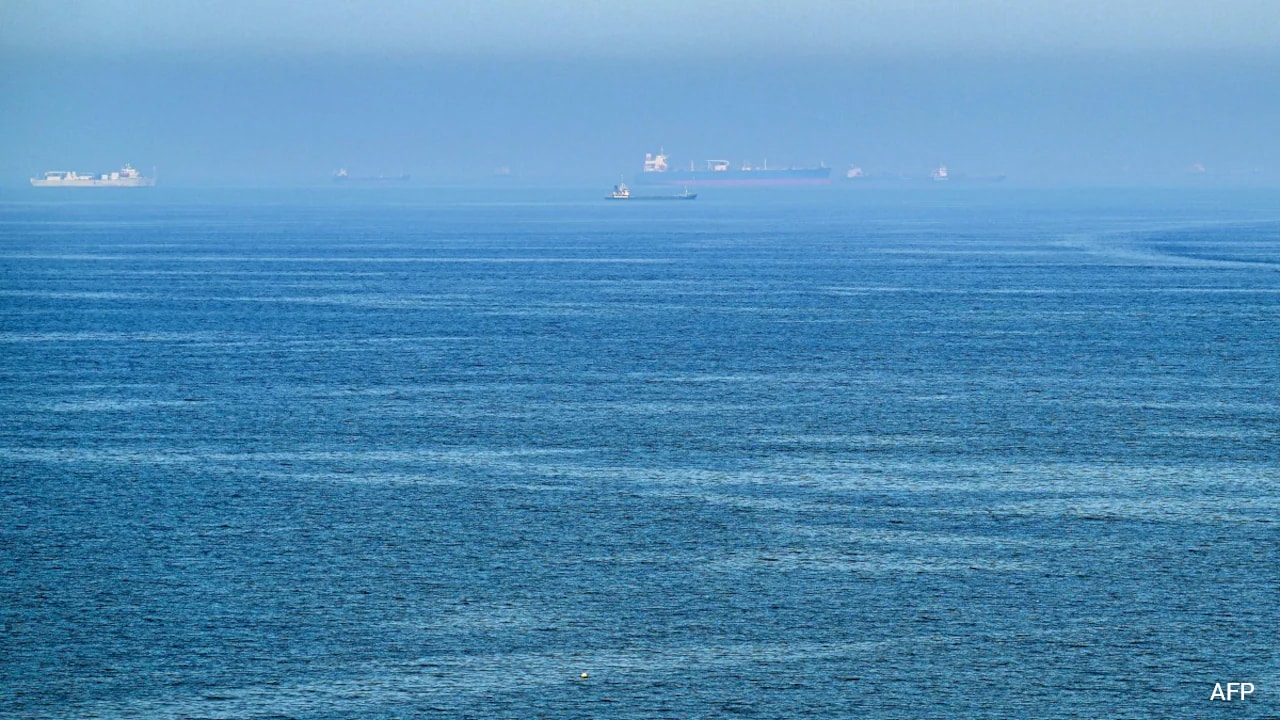
One projectile in a narrow waterway can freeze billions in global cargo before lunch. When reports break that a container ship has sunk or taken a direct hit near the Strait of Hormuz, supply chain managers don't wait for a press conference. They start rerouting boxes, calling war-risk brokers, and watching freight indices jump on the screen.
A container ship sinking or getting struck near the Strait of Hormuz points to an acute maritime security crisis in one of the world's tightest shipping bottlenecks, where projectile strikes, disputed military claims, and transit restrictions are actively disrupting commercial vessels and global supply chains.
I've spent years watching how geopolitical flashpoints ripple through maritime logistics, and honestly, the biggest mistake people make is treating a ship sinking as an isolated headline. It isn't. When a box ship goes down or gets hit near Hormuz, the shock hits container schedules, marine insurance, energy pricing, and port congestion all at once.
How Strikes Near Hormuz Disrupt Commercial Shipping
The Strait of Hormuz is a chokepoint by geography. Even on calm days, commercial lanes sit uncomfortably close to contested waters and coastal launch zones. When unidentified projectiles, drones, or naval threats enter the picture, vessel operators face a brutal set of trade-offs. Push through the corridor and risk hull damage, fires, or crew injuries. Hold outside or divert and eat massive fuel, charter, and delay costs.
According to maritime security monitoring such as the UK Maritime Trade Operations (UKMTO) and tracking data cited by the Joint Maritime Information Center, transit patterns through the waterway have faced sharp swings during periods of heightened hostility. When daily vessel counts drop far below normal baselines, backlogs don't stay neatly contained in the Persian Gulf. They spill outward to transshipment hubs in Asia, Europe, and the Americas.
Container ships operate on tight linear schedules. Unlike bulk carriers or tankers that can sometimes wait out a spot market spike more flexibly, a container vessel carries thousands of time-sensitive boxes tied to retail inventory, auto parts, electronics, and agricultural shipments. Lose a hull or force a vessel off schedule, and dozens of downstream port calls fall out of sync.
Why Projectile Claims Often Clash With Verified Facts
Here's something that trips up casual readers all the time. Right after an attack near Hormuz, conflicting accounts hit social feeds and news wires within minutes. One side may claim a direct hit or a sinking, while maritime authorities report a strike by an "unidentified projectile" with damage or status still under assessment.
In foggy maritime incidents, "sunk," "ablaze," "abandoned," and "struck" get conflated fast. A vessel might list heavily or catch fire without sinking immediately. Crew members might abandon ship safely while salvage teams assess whether the hull can be towed. Or video clips circulate online that don't clearly confirm which ship was hit.
Waiting for corroborated reporting from maritime security advisories, flag states, ship managers, and reputable news outlets like The Guardian or Seatrade Maritime saves you from reacting to bad rumors. In fast-moving naval escalations, early numbers are almost always provisional.
What Shippers and Supply Chains Get Wrong
In theory, shifting cargo around a hotspot sounds straightforward on a whiteboard. In practice, logistics teams run into three recurring headaches when strikes hit near Hormuz:
- Assuming insurance coverage stays static: War-risk premiums and breach-of-warranty notices can shift rapidly when attack alerts spike, catching shippers who assumed standard marine policies covered everything.
- Ignoring blank sailings and schedule drift: Even if your specific container isn't on the struck ship, vessel bunching and skipped port calls can push arrival windows back by weeks.
- Chasing knee-jerk reroutes without checking capacity: Alternative routes or air freight can ease urgent bottlenecks, yet capacity on secondary lanes tightens quickly when everyone panics at once.
What works better in real operations is cold, unglamorous triage. You separate must-move SKUs with high stockout costs from buffer inventory that can absorb a two- to four-week delay. You talk directly to your freight forwarder or carrier rep about vessel routing rather than relying solely on automated ETA timestamps.
The Ripple Effect Beyond Container Boxes
Even if your business doesn't ship containerized goods through the Gulf, projectile strikes near Hormuz still touch your bottom line. Energy markets pay close attention to shipping security in the region because crude and refined products move through the same strategic neighborhood. When attacks escalate, energy risk premiums, bunker fuel costs, and broader inflation expectations can all feel the pressure.
Let's be real about the limits of any single forecast right now. Maritime security conditions around Hormuz can change overnight based on military posturing, escort arrangements, diplomatic talks, or fresh incidents. Anyone promising certainty about next week's transit rates is guessing.
Practical Moves If Your Cargo Touches the Region
If you manage supply chains, procurement, or inventory exposed to Middle East maritime routes, take concrete steps rather than refreshing news feeds all day:
- Audit your active bills of lading and vessel names: Check which ships are carrying high-priority orders and track official advisories from UKMTO alongside carrier customer notices.
- Stress-test safety stock on critical components: Identify parts or finished goods where a sudden transit delay would halt assembly lines or trigger steep customer penalties.
- Clarify marine and war-risk terms with your broker: Confirm whether your shipments move under CIF, FOB, or DDP terms, and verify who bears delay or war-risk cost increases.
- Build a two-tier contingency plan: Line up secondary suppliers or alternate entry ports for urgent items before spot rates spike further, while keeping lower-urgency freight on standard, cost-controlled lanes.
A single strike near Hormuz proves how fragile global trade still is when physical chokepoints meet active conflict. Stay sharp, verify facts before acting, and tighten your buffers while the water's rough.