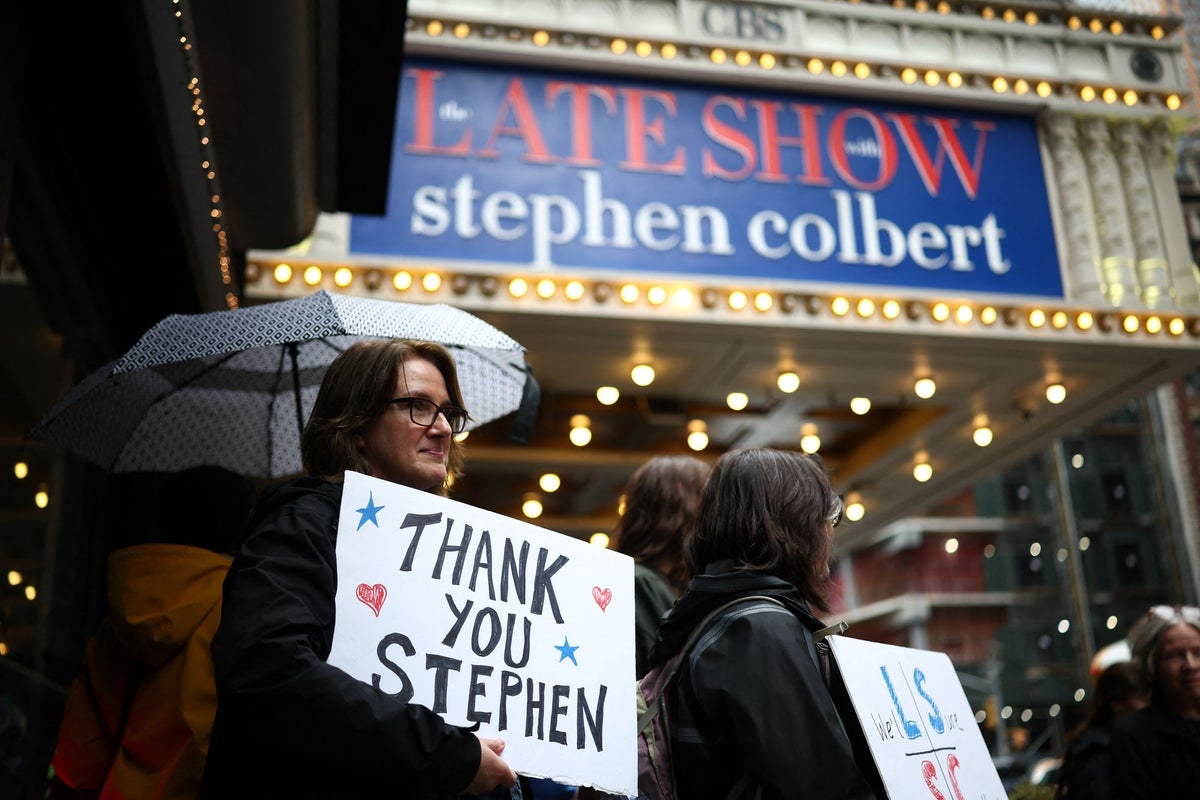
The morning news cycle at a major network is a choreographed machine designed to sell stability. When CBS Mornings chose to skip any mention of Stephen Colbert’s season finale—a milestone for the network’s most profitable late-night asset—it wasn't a scheduling oversight. It was a cold, calculated exercise in brand protection. The blackout followed a biting segment where The Late Show lampooned mainstream media’s obsession with specific political narratives, a move that reportedly ruffled the very feathers of the executives who share Colbert’s office building. This tension reveals a widening crack in the facade of corporate media where the court jester has finally started mocking the king’s court, and the king isn't laughing.
The Invisible Wall Between News and Satire
For decades, the relationship between a network’s news division and its late-night variety shows was symbiotic. The news provided the raw material, and the comedians provided the nightly catharsis. This cycle kept viewers locked into the ecosystem from 7:00 AM until past midnight. However, the internal atmosphere at Paramount Global has shifted. When Colbert used his platform to parody the hyper-specific, often repetitive coverage of international trade and political optics, he crossed an unwritten line.
The news division views itself as the "serious" wing of the corporation. They are the gatekeepers of credibility. When a satirist under the same umbrella suggests that their coverage is formulaic or performative, it creates a PR nightmare. By ignoring the finale, the morning show wasn't just snubbing a colleague. They were attempting to devalue his influence. If the news doesn't acknowledge the satire, they hope the satire loses its sting.
Power Dynamics in the C Suite
Network executives are currently obsessed with "brand safety." In an era of shrinking ad spends and fragmenting audiences, the last thing a CEO wants is internal friction that suggests the ship is rudderless.
- Ad Revenue Sensitivity: News programs rely on a specific class of blue-chip advertisers who demand a "prestige" environment.
- Talent Ego: High-profile news anchors often have clauses in their contracts regarding how they are portrayed within the network.
- Corporate Synergy: Usually, every division is forced to promote the other. Breaking that chain is a signal of genuine internal distress.
The decision to "kick them while they were down" reflects a punitive culture. It suggests that if the comedy side doesn't play ball with the news side’s self-image, the promotional machine will be switched off. This is a dangerous game for a network that is already fighting for relevance against streaming giants.
The Trump China Parody That Broke the Peace
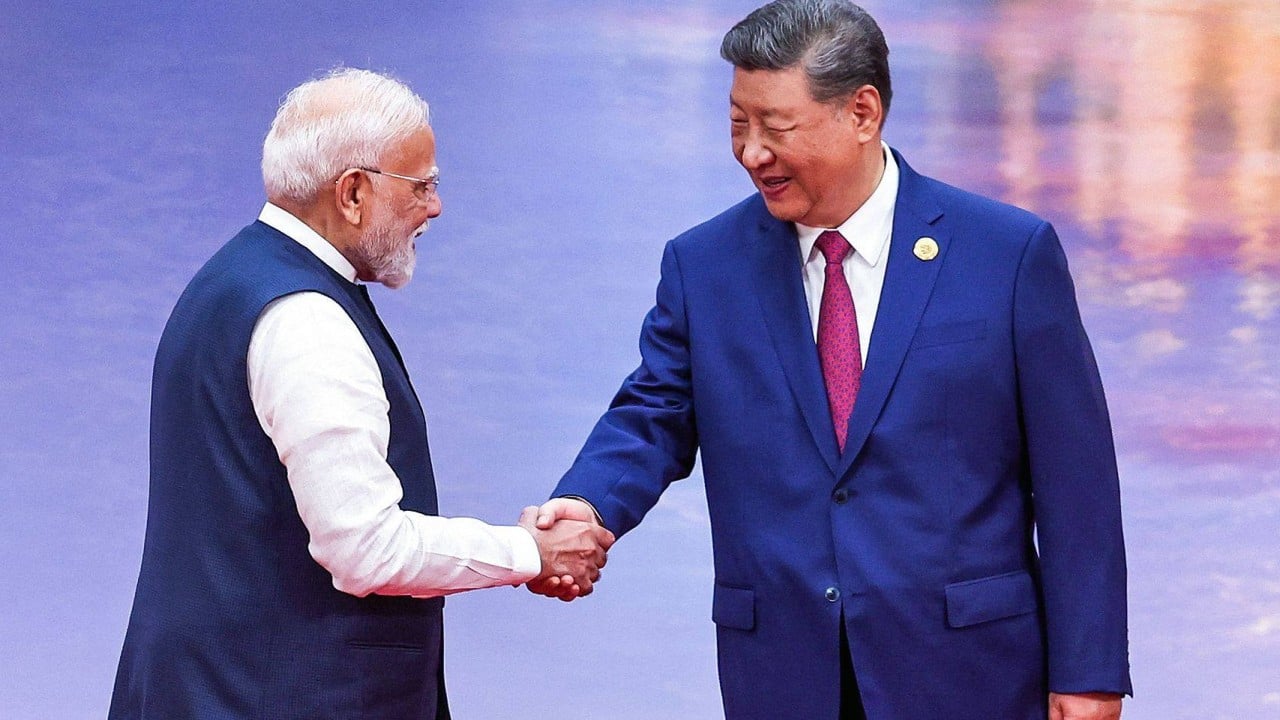
The specific catalyst—a spoof of how the media handles the former president’s rhetoric regarding foreign policy—hit too close to home because it exposed the mechanics of the "outage machine." News producers hate it when the magician shows the audience how the coin trick works. Colbert didn't just mock the politics; he mocked the coverage.
He highlighted the way news cycles are manufactured to create a sense of constant, low-level dread. For a morning show that thrives on keeping viewers "alert" (and therefore tuned in), this was an existential threat. Satire is only useful to a corporation when it points outward. The moment it points inward, it becomes a liability.
Why the Snub Matters for Viewers
The average viewer might not notice a missing thirty-second clip on a Tuesday morning. But the absence represents a shift in editorial integrity. If a network is willing to ignore its own biggest stars because of a bruised ego in the newsroom, what else are they willing to ignore? It suggests a hierarchy where corporate sensitivity outranks cultural relevance.
The "Cold War" in the hallways of the Ed Sullivan Theater and the CBS Broadcast Center is about who gets to define the narrative. Is it the people who report the facts, or the person who interprets them through a lens of absurdity? Historically, the comedian has had more leeway. That era is ending.
The Business of Retaliation
Look at the numbers. The Late Show remains a pillar of the CBS lineup, but late night as a whole is in a precarious state. Ratings are down across the board. Budgets are being slashed. In this environment, internal solidarity should be the default. Instead, we see tribalism.
The "punishment" of ignoring a finale is a form of soft censorship. It doesn't stop the show from airing, but it limits its "afterlife" in the digital ecosystem. If the morning show—which has a massive social media footprint and a loyal, older demographic—doesn't share the clips, the show's reach is capped. This is a financial hit to the production team and a blow to the morale of the writers.
The Myth of the Independent Newsroom
We often hear that newsrooms are independent of corporate influence. This incident proves otherwise. The decision-making process for what makes the "A-block" of a morning show is highly scrutinized. For a major event like a season finale to be omitted, several layers of management had to sign off on the silence.
This wasn't a mistake. It was a memo without paper. It told the comedy writers: "You can joke about anything, as long as it isn't us."
The Fallout of Fragility
The irony is that by ignoring the spoof and the finale, the network actually validated Colbert’s point. They acted exactly like the hyper-sensitive, narrative-obsessed entity he was parodying. If they had simply laughed along and played the clip, the story would have died in twenty-four hours. By choosing silence, they created a mystery.
This fragility is a symptom of a larger industry-wide anxiety. Everyone is afraid of losing their seat at the table. When you are afraid, you stop taking risks. And when you stop taking risks, you become boring. The news division’s refusal to engage with the satire is a sign that they no longer know how to defend their own relevance without resorting to petty gatekeeping.
Future Implications for Late Night Satire
If comedians feel the squeeze from their own networks, the nature of satire will change. We might see a return to "safe" comedy—celebrity games, carpool karaoke, and toothless political observations that don't challenge the status quo.
- Increased Self-Censorship: Writers will begin to ask if a joke is "worth the trouble" with the news department.
- Platform Migration: Top-tier talent may look toward independent platforms or streamers where the news division doesn't exist to be offended.
- Audience Cynicism: Viewers are smart. They can smell when something is being withheld. This erodes the trust that is already at an all-time low.
The reality of modern media is that the wall between entertainment and information has collapsed. But the people running the buildings are still trying to pretend the bricks are in place. They want the prestige of news and the profits of entertainment, without the friction that comes when the two inevitably collide.
Colbert’s "offense" was simply noticing that the news has become a performance. The network’s response was to try and cancel the encore. In doing so, they didn't just kick a show while it was down; they showed everyone exactly where they are vulnerable. The silence in the morning spoke louder than any monologue ever could.
The next time a major network personality goes off-script, watch the morning shows. Watch what they don't say. That is where the real story lives. The broadcast isn't just what they put on the screen; it's the specific shape of the holes they leave behind.