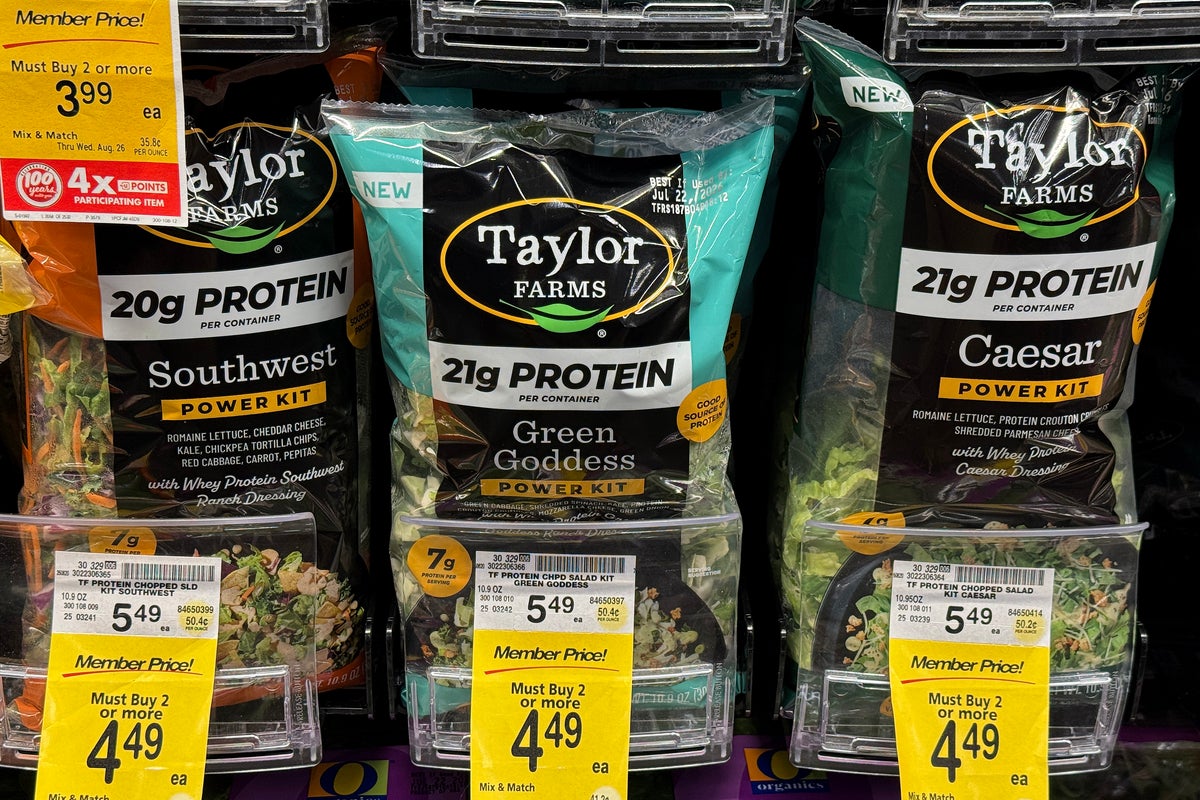
You can walk into a supermarket, grab a brightly packaged tube of liquid poison off the shelf, and apply it directly to your dog or cat’s skin. Nobody asks for your ID. Nobody checks your pet's weight. No one warns you about the chemical compounds soaking into your living room carpet or your toddler's hands five minutes later.
That needs to stop.
Animal welfare charities and veterinary groups are pushing hard for a major shift in how pet flea treatments are sold. They want broad-spectrum antiparasitic medications reclassified. They want them taken off open retail shelves and locked behind pharmacy counters or restricted to veterinary prescriptions. It's about time.
The Problem With Supermarket Pest Control
Most pet owners view flea drops as basic grooming supplies, right alongside pet shampoo and chew toys. They treat them like soap. That is a dangerous misunderstanding. These products are potent neurotoxins designed to disrupt the nervous systems of invertebrates.
When you buy cheap spot-on treatments from a grocery store aisle, you're buying industrial-grade chemicals packaged for pet owners. The active ingredients in many standard over-the-counter treatments belong to chemical families like neonicotinoids and phenylpyrazoles. While regulators permit them, the ecological and domestic fallout is mounting.
Veterinarians see the consequences every single week. Cats suffer severe neurological tremors because owners accidentally apply a dog-specific formula containing permethrin—a substance toxic to felines. Small dogs experience chemical burns and seizures because people guess their pet's weight bracket instead of weighing them accurately.
What The Critics Are Missing
The push to restrict pet flea treatments isn't just about domestic safety. It is an environmental crisis hiding in plain sight.
When your treated dog swims in a local river or gets washed in the tub, those chemicals don't just vanish. They enter the municipal wastewater system. Sewage treatment plants aren't designed to filter out complex veterinary pharmaceutical residues.
Recent scientific findings show that common flea and tick treatments are turning up in rivers and streams nationwide. Concentrations of these neurotoxic chemicals frequently exceed safe thresholds for aquatic life. We are essentially leaking potent insecticides into natural waterways every time it rains or someone gives their dog a bath.
If you care about local wildlife, bird populations, and river health, you have to look at your pet care routine. Those drops on your cat's neck have a downstream cost.
The Weight Guessing Game
Dosage matters. If you give a human a fraction of a pill too much, it causes problems. If you guess a dog's weight and under-dose or overdose a spot-on treatment, the risks multiply.
Retail packages rely on broad weight categories. A product might target dogs weighing ten to twenty-five pounds. A dog sitting at eleven pounds gets a massive chemical load compared to a dog weighing twenty-four pounds, even though both fit the same box. People rarely weigh their pets before applying these treatments. They eyeball it.
If these products required a professional consultation or a pharmacist's sign-off, dosing errors would drop sharply. A vet or trained dispenser looks at the animal, checks current records, and prescribes the exact right dosage.
Pushing Back Against Convenience
Industry lobbyists argue that restricting sales hurts lower-income pet owners. They claim that forcing people to visit a vet for a prescription adds unnecessary cost and friction.
That argument sounds compassionate, but it falls apart under scrutiny. Veterinary consultations cost money, yes. But treating a cat with permethrin poisoning costs thousands in emergency ICU bills. Treating chronic skin necrosis from a cheap, poorly matched spot-on product drains bank accounts much faster than a standard preventative check-up.
We don't let people buy strong antibiotics off supermarket shelves just because it's convenient. We don't hand out heavy-duty prescription painkillers next to the candy aisle. Pet medications deserve the same baseline respect.
What You Can Do Right Now
You don't have to wait for government legislation to change your habits. Take control of your pet care routine today.
Stop buying random spot-on treatments from supermarket shelves or discount online marketplaces where counterfeit or sub-standard products run rampant. Talk to your local veterinary clinic about safer, targeted alternatives. Modern preventative care often involves oral chews that stay inside the animal rather than washing off into your home environment or local waterways.
Weigh your pets regularly. Read every line of the safety insert before applying anything to skin or fur. Wash your hands thoroughly after handling any treatment, and keep treated animals away from young children for at least forty-eight hours.
Protecting your pet shouldn't mean poisoning the environment or risking a trip to the emergency room. Demand better options, buy through proper channels, and treat these chemicals with the caution they demand.