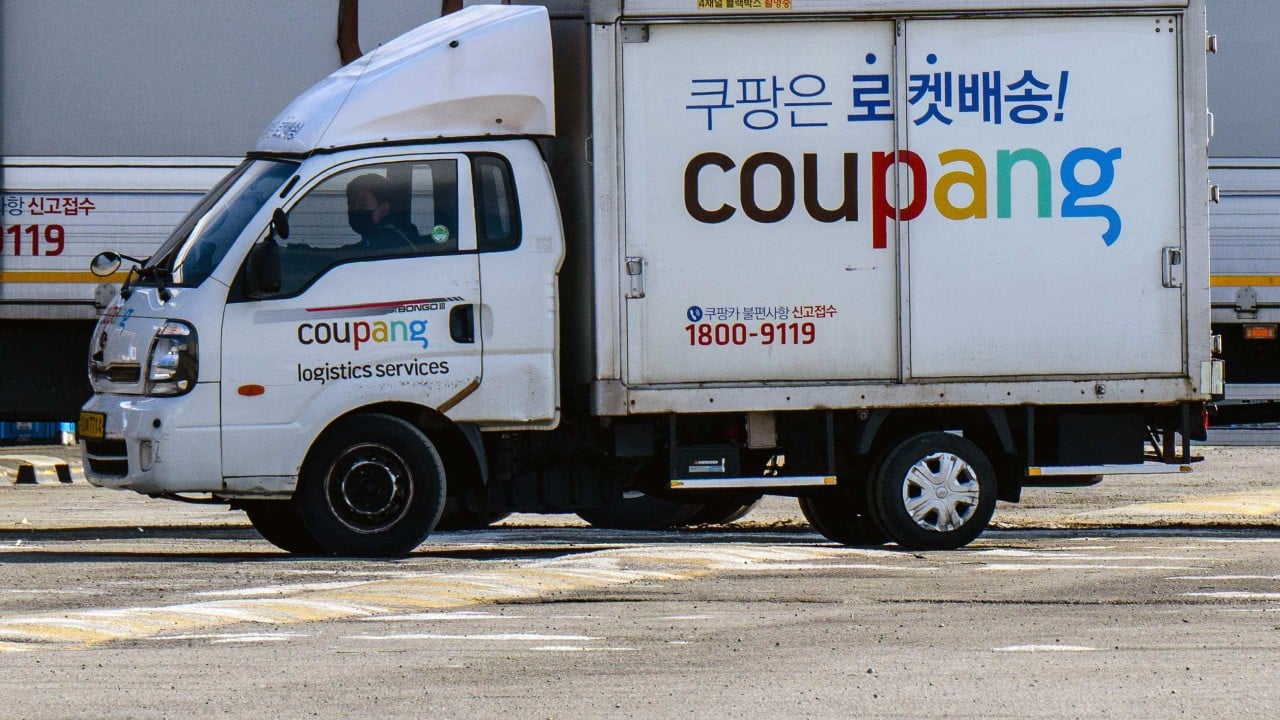
The financial press is currently obsessed with a ghost story. The narrative is simple: South Korea’s Fair Trade Commission (KFTC) is "bullying" Coupang through massive fines and restrictive algorithms, and the US government is rightfully stepping in to protect a crown jewel of American-listed innovation. They call it a "showdown." They call it a "test of diplomatic ties."
They are wrong.
This isn’t a geopolitical crisis. It is a calculated regulatory theater where both sides are pretending to fight over "fairness" while ignoring the actual mechanics of modern retail. If you think this is about protecting consumers or defending free trade, you’ve been sold a lemon. This is about the death of the "neutral platform" myth and the desperate attempt by a legacy regulator to apply 20th-century antitrust logic to a 21st-century logistics machine.
The Algorithm is Not a Referee
The KFTC’s primary gripe is that Coupang manipulated its search algorithms to favor its own private-label (PB) products over third-party sellers. The "lazy consensus" among analysts is that this is a clear-cut case of self-preferencing.
Let’s dismantle that immediately.
Coupang is not a public utility. It is a store. When you walk into a Costco, the Kirkland Signature olive oil is at eye level, and the name-brand version is tucked away or non-existent. Nobody sues Costco for "manipulating the shelf" to favor their own brand. We call that "merchandising."
The KFTC is attempting to reclassify e-commerce platforms as neutral infrastructure—like a highway or a power grid—rather than digital storefronts. By fining Coupang $120 million (and counting), they are effectively saying that once a store becomes too efficient, it loses the right to choose what it sells on the front page. This is a fundamental misunderstanding of why people use Coupang. Users don't go there for a neutral index of the internet; they go there for "Rocket Delivery." If the algorithm prioritizes products that Coupang controls, it's often because those are the only products that can actually hit the delivery window promised to the customer.
The Myth of the US-Korea "Showdown"
The headlines suggest Washington is ready to go to the mats for Coupang. Why? Because Coupang is listed on the NYSE and backed by massive US venture capital. But look closer at the "defense" being offered.
US trade representatives aren't defending Coupang’s honor; they are terrified of the precedent. If South Korea successfully kneecaps Coupang for "self-preferencing," it gives the EU’s Digital Markets Act (DMA) and the US Federal Trade Commission (FTC) under Lina Khan a blueprint for how to dismantle Amazon and Google.
This isn't a "US vs. Korea" fight. It’s a "Big Tech vs. Global Regulators" fight where Coupang just happens to be the guinea pig. I have seen companies spend millions on lobbying to frame these disputes as nationalistic insults because it’s easier to stir up a trade war than it is to explain the math of a search ranking system to a judge.
The Self-Inflicted Wound of "Fairness"
The KFTC argues that Coupang’s behavior hurts small businesses. This is the ultimate "feel-good" lie in antitrust.
In reality, the small businesses the KFTC claims to protect are often the ones most dependent on Coupang’s infrastructure. By forcing Coupang to "de-prioritize" its own brands, the regulator isn't helping a small mom-and-pop shop in Daegu; they are making the entire platform less efficient.
When a platform is forced to show "neutral" results, the cost of customer acquisition goes up for everyone. Someone has to pay for the friction. That person is usually the consumer, through higher prices or slower shipping. The KFTC is essentially taxing South Korean consumers for the privilege of a "fairer" search result that they never asked for.
Why Coupang is Winning the PR War (And Losing the Math)
Coupang’s response has been to threaten to pull back on investment. It’s a classic move: "Regulate us, and we stop building warehouses." It’s effective, but it’s a bluff. Coupang has invested billions in South Korean physical infrastructure. They aren't going to let those warehouses rot over a fine that represents a fraction of their annual revenue.
The real danger isn't the fine. It’s the operational lobotomy.
If the KFTC wins, they will demand "algorithmic transparency." For an e-commerce company, that is the equivalent of a restaurant being forced to publish their secret sauce recipe and then let the government decide how much salt goes in it. Once a regulator starts tweaking the knobs of a recommendation engine, the engine stops working.
The Problem with "Common Sense" Regulation
The KFTC uses a "common sense" argument: If you own the marketplace, you shouldn't compete in it.
It sounds logical until you realize it would destroy:
- Every supermarket (Private labels).
- Every department store (House brands).
- Every app store (First-party apps).
- Every streaming service (Original content).
The KFTC isn't fixing a broken market; they are trying to outlaw a business model that has existed since the first general store put its own flour next to the brand-name stuff.
The Counter-Intuitive Truth: We Need More Monopoly, Not Less
Here is the take that makes people angry: In the specific case of South Korean logistics, Coupang’s "dominance" is exactly what fixed a broken system. Before Coupang, e-commerce in Korea was a fragmented mess of unreliable third-party couriers and slow-moving web portals.
Coupang’s "meddling" (as the critics call it) is what allowed for 4:00 AM delivery. That level of coordination requires total control over the stack—from the search bar to the truck. When you break that stack in the name of "fairness," you return to the fragmentation of 2010.
The KFTC is chasing a ghost of "perfect competition" that has never existed in retail and never will. They are punishing Coupang for the crime of being too organized.
The Investor’s Blind Spot
If you are holding Coupang stock and waiting for the US government to "save" the company from Korean regulators, you are miscalculating. The US government will make some noise, file some papers, and then move on to the next trade priority.
The real risk is that Coupang becomes a "regulated utility" in all but name. When a company’s primary innovation—its algorithm—is subjected to government oversight, its growth ceiling is permanently lowered. You are no longer investing in a tech company; you are investing in a grocery store with a very expensive delivery fleet.
Stop Asking if it’s Fair
The question "Is Coupang being fair?" is the wrong question. The right question is: "Does the KFTC have the technical literacy to regulate a neural network?"
The answer is a resounding no.
They are using a hammer to fix a microscope. By framing this as a "showdown" or a "diplomatic test," the media is missing the tragedy. This is the slow, bureaucratic strangulation of the most efficient retail machine on the planet, conducted by people who still think a search result is a static list rather than a dynamic, real-time calculation of logistics probability.
If Coupang loses this fight, it won't be because they were "evil" or "anti-competitive." It will be because they were the first ones to prove that in the digital age, the store and the shelf are the same thing—and the government couldn't handle the implications.
The trade war isn't coming. The era of the "unregulated algorithm" is just ending, and Coupang is simply the first casualty of the new world order where "fairness" is a code word for state-mandated mediocrity.
Don't look for a winner in this showdown. By the time the dust settles, the consumer will have already lost.