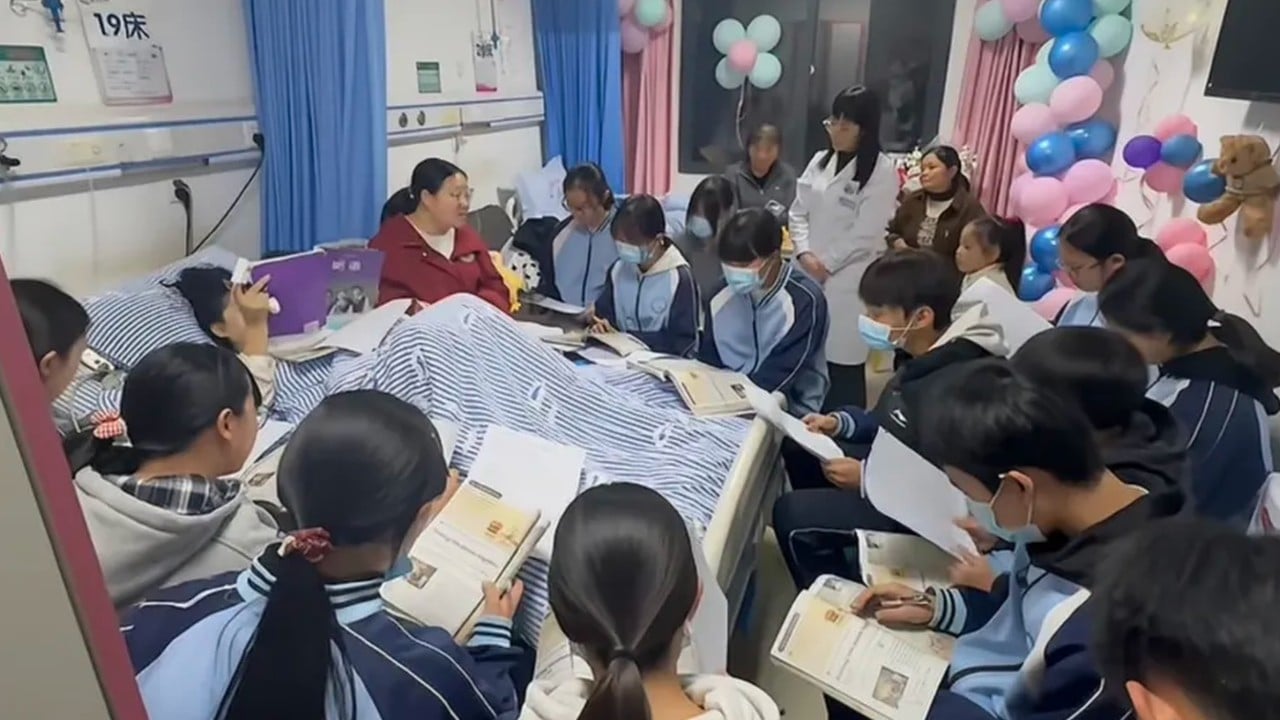
Most viral news stories flatten human tragedy into a quick tearjerker and move on. When reports surfaced about a terminally ill Chinese student whose final wish was simply to sit in a classroom with his peers one last time before dying of leukemia, social media treated it like a cinematic plot twist.
That misses the entire point.
For someone spending months or years inside sterile hospital wards, a noisy classroom isn't just a building. It's proof you still exist outside a medical chart. When you're battling acute leukemia, your world shrinks to blood counts, intravenous lines, and isolation rooms. Wanting to sit at a wooden desk next to friends isn't sentimental fluff. It's a fierce, practical demand for normalcy right before the end.
Why a Normal Classroom Matters More Than a Grand Gesture
Western charity culture often leans toward big spectacles. Think dream vacations, celebrity meetups, or elaborate parties. Yet pediatric and adolescent oncology nurses across major medical centers—including institutions like St. Jude Children's Research Hospital and Peking Union Medical College Hospital—consistently note something quieter. Young patients rarely ask for fireworks.
They ask for Tuesday morning.
School is the primary social ecosystem for teenagers and university students. When leukemia forces a sudden withdrawal, the grief isn't just physical. There's a sharp, disorienting social erasure. Friends graduate, take exams, complain about homework, and build inside jokes while the patient stares at acoustic ceiling tiles.
Attending one final class reverses that erasure, even if only for forty-five minutes.
Consider what actually happens during a visit like this:
- Sensory grounding replaces the smell of antiseptic with chalk dust, paper, and familiar voices.
- Identity shifts back from "terminal patient" to "classmate."
- Closure becomes mutual, giving peers a chance to say goodbye in an environment they actually understand rather than a terrifying ICU room.
If you've ever watched a young person navigate severe illness, you know how exhausting it is to constantly manage adults' emotions. Doctors want compliance. Parents want hope. Classmates, awkward as teenagers can be, mostly just treat you like you're still part of the group. That's priceless.
The Medical Reality Behind Leaving the Ward
People reading about a dying leukemia patient attending class often assume the hospital simply unlocked the front door and wished him luck. Nothing could be further from the truth. Coordinating a short outing for someone with end-stage leukemia requires intense logistical and medical choreography.
Leukemia compromises the immune system at a fundamental level. Bone marrow stops producing healthy white blood cells, leaving the body wide open to routine bacteria that healthy students carry without noticing. At the same time, low platelet counts mean even minor bumps can trigger dangerous bleeding, while severe anemia causes crushing fatigue after walking just a few meters.
To make a classroom visit possible, medical teams and families have to balance strict clinical risks against quality of life:
- Timing around blood transfusions. Patients often receive packed red blood cells or platelets hours beforehand just to have enough stamina to sit upright.
- Infection control compromises. Masks, hand sanitization, and limiting physical contact reduce risk, though everyone involved accepts that zero risk is impossible.
- Emergency readiness. A nurse, trained family member, or portable oxygen setup usually stays close by in case blood pressure drops or pain spikes.
In palliative care, this is known as goal-concordant care. Instead of chasing another toxic round of chemotherapy with a near-zero chance of remission, doctors shift focus toward what matters most to the patient in the time left. Organizations like the World Health Organization explicitly define palliative care around preserving dignity and psychological well-being alongside symptom relief. Letting a student attend class isn't medical negligence. It's medicine doing its actual job.
Cultural Weight of the Classroom in China
To understand why this specific story resonated so deeply across Chinese social media platforms like Weibo and Douyin, you have to look at what school represents in Chinese society.
Education in China isn't merely an obligation. For millions of families, the classroom is the central arena of youth, effort, and shared struggle. From early morning reading sessions to late-night exam prep, students spend staggering amounts of time together. Those shared desks forge bonds closer to siblinghood than casual friendship.
When a student gets pulled out of that environment due to leukemia—one of the most common cancers affecting children and young adults in China, according to data from the National Cancer Center—the separation hits twice as hard.
There's also a deep cultural reluctance around discussing death openly with young patients. Families frequently shield teenagers from terminal prognoses, hoping optimism will keep them fighting. When a student explicitly asks to return to class one last time, it signals a quiet, heartbreaking awareness. He knew time was short. His teachers and classmates knew it too.
Nobody needed a dramatic speech. Sitting in the back row or taking a regular seat said everything out loud without breaking cultural norms around stoicism and grace.
What People Get Wrong About Terminal Wishes
Viral coverage tends to romanticize end-of-life moments, which creates real problems for families facing similar diagnoses. Let's clear up a few stubborn myths.
Myth 1: Fulfilling a final wish means the patient has "given up."
Wrong. Accepting palliative goals doesn't shorten life. In fact, landmark research published in the New England Journal of Medicine demonstrated that patients receiving early, goal-focused palliative care often experience better mood, less pain, and comparable or longer survival than those subjected to aggressive, futile interventions at the very end.
Myth 2: Schools and hospitals can't collaborate on short visits.
They can, and they do—when someone actually asks. Most administrators panic at the word "liability" until a physician steps in with clear parameters. A thirty-minute visit with a clear exit plan is entirely manageable when teachers, parents, and doctors communicate directly.
Myth 3: Classmates will be traumatized by seeing a sick peer.
Teens handle reality far better than adults give them credit for, provided someone prepares them honestly. When teachers explain what to expect—fatigue, masks, frailty—students almost universally rise to the occasion with genuine kindness. Shielding kids from a friend's illness usually leaves them with lifelong regret over never saying goodbye.
How Schools and Families Can Support Seriously Ill Students
You don't need a viral news headline to make space for a student dealing with cancer or chronic illness. Whether you're an educator, a parent, or a hospital social worker, waiting until the final week of life to reconnect is a mistake.
Start building bridges while treatment is still underway:
- Keep an empty desk or active presence. Even if a student is hospitalized for months, simple things like recorded class greetings, shared notes, or brief video check-ins prevent total social isolation.
- Coordinate early with hospital social workers. Major oncology departments employ child life specialists and social workers whose entire role is bridging medical restrictions with normal life milestones. Bring them into the conversation early.
- Plan low-friction visits. If a student wants to visit school during a remission window or palliative phase, schedule it during a favorite class rather than a chaotic assembly. Keep it short—twenty to forty minutes is plenty—and arrange direct vehicle access so the student doesn't waste energy walking across campus.
- Brief the room beforehand. Give classmates five minutes of honest guidance before the visit. Tell them to act normal, avoid crowding, and focus on everyday topics like music, games, or class jokes rather than medical questions.
Stories like this Chinese student's final class spread around the world because they strip away everything trivial. Nobody remembers test scores or attendance records at the end of life. They remember who showed up, who saved them a seat, and who treated them like they still belonged. If someone in your school, workplace, or circle is sidelined by serious illness right now, reach out today while they still have the strength to answer.