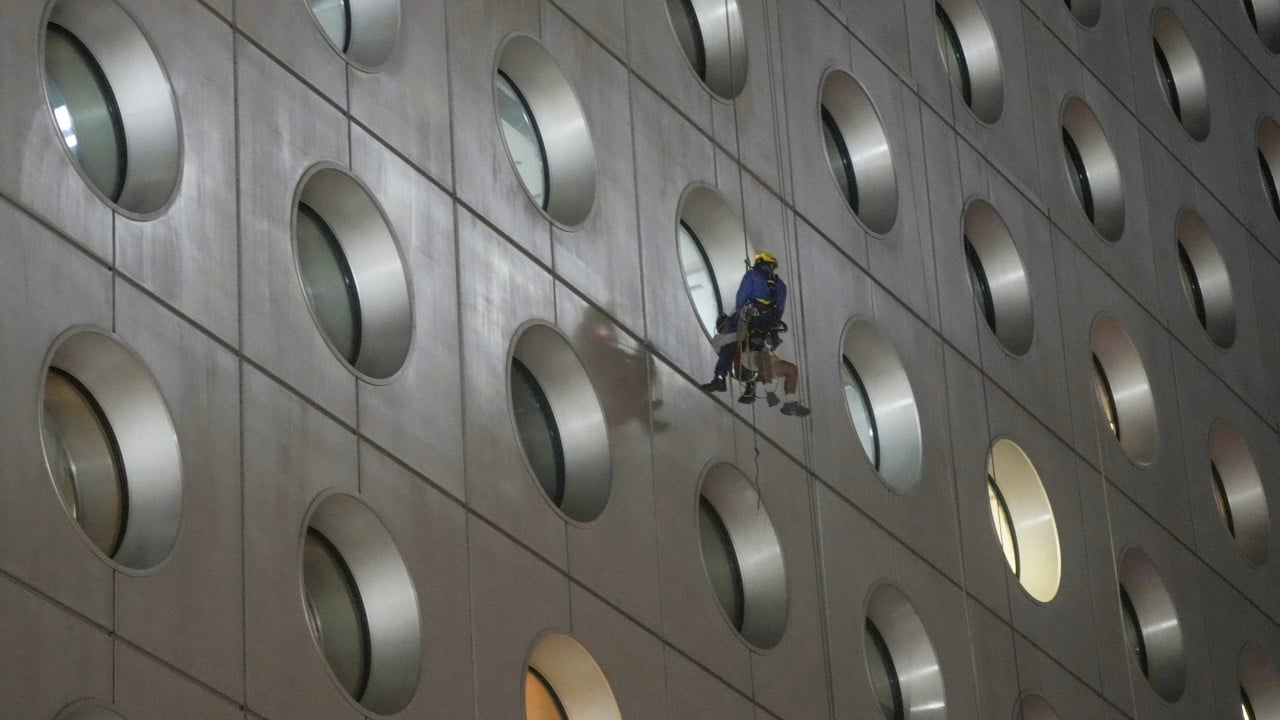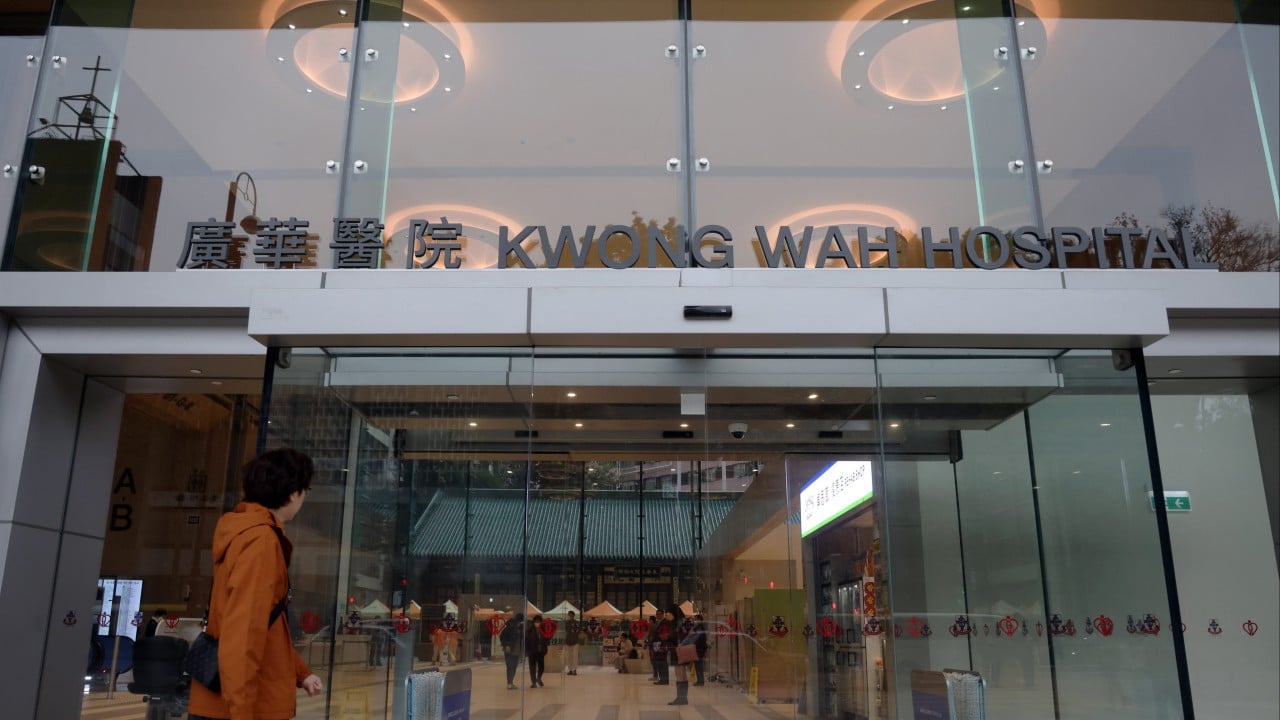
A fatal fall during a police drug raid in Hong Kong always triggers the same predictable media cycle. Headlines focus on the dramatic height, the seized narcotics, and the brief ambulance dash to the nearest public hospital.
That surface-level reporting misses the actual mechanics of how these raids happen, why suspects make fatal split-second decisions in Hong Kong's dense vertical housing, and what happens legally once a raid turns deadly.
When news breaks that a man died after falling from a building while fleeing a Hong Kong Police Force operation on a suspected drug den, readers usually get a three-paragraph police blotter summary. You get the district—often dense urban pockets like Sham Shui Po, Yau Tsim Mong, or Tsuen Wan—the approximate age of the deceased, and an estimate of the street value of the drugs found inside.
Honestly, those brief reports leave out almost everything that actually explains the tragedy.
The Architecture of Hong Kong Drug Dens Makes Escape Almost Impossible
To understand why suspects climb out of windows during a raid, you have to look at the physical layout of the buildings where these operations take place. Hong Kong's urban density isn't just a backdrop for crime stories. It dictates how both police officers and suspects move.
Many suspected drug dens operate out of older tenement buildings—known locally as tong lau—or subdivided flats (tong fong) inside aging commercial-residential blocks. These units are chosen intentionally. They offer cheap rent, anonymous foot traffic, and minimal building security.
Inside, however, they're traps.
A typical subdivided flat might have four or five cramped cubicles sharing a single narrow corridor and one reinforced metal security gate at the entrance. When officers from a district anti-triad squad or the Narcotics Bureau execute a warrant, they don't knock politely. They use hydraulic spreaders, battering rams, or breaching tools to force that single exit point open within seconds.
Once that front door is breached, there's nowhere left to go inside the flat.
Unlike suburban houses in North America or Europe with backyards, basements, or multiple ground-floor exits, a seventh-floor subdivided unit in Kowloon has only two ways out. You walk through the police officers at the front door, or you go out the window.
Panic takes over fast.
In high-stress narcotics raids, suspects often aren't thinking clearly to begin with. Many are under the influence of methamphetamine, heroin, or cocaine—the exact substances being packaged or consumed inside the unit. Combined with the terror of facing years in prison under Hong Kong's strict Dangerous Drugs Ordinance, a person in that room makes an irrational calculation in half a second.
They look at an external air-conditioning unit, a bamboo scaffolding structure, or a narrow drainage pipe running down the exterior lightwell, and they convince themselves they can climb down to a lower floor.
Exterior walls on older Hong Kong buildings aren't built to hold human weight. Rusting iron brackets holding window-unit air conditioners snap under sudden force. PVC drainage pipes pull straight out of weathered concrete. Bamboo scaffolding, often erected for routine exterior maintenance, offers zero fall protection if you're scrambling down it in the dark without a harness.
What looks like an escape route from inside a cramped room is usually a vertical drop onto concrete.
How Hong Kong Police Plan and Execute High-Risk Raids
People often assume a fatal fall means officers chased a suspect off a ledge or cornered them recklessly. Sometimes operational tactics do come under scrutiny, and rightly so. Still, standard police procedure in Hong Kong is heavily structured around preventing suspects from reaching windows in the first place—precisely because falls happen too often.
Before a raid even begins, intelligence units spend days or weeks mapping the target unit.
Officers check building floor plans, inspect exterior facades from street level, and note whether scaffolding is present on the block. If a unit sits on an upper floor, raid teams routinely position plainclothes officers on the ground floor and in adjacent stairwells before the breach team approaches the main door.
The goal is containment before entry.
Yet containment has hard limits in older districts. Many tenement blocks feature enclosed internal lightwells—narrow vertical shafts that provide ventilation to kitchens and bathrooms. Ground-level officers can't easily see into an enclosed lightwell from the street, and they certainly can't catch someone falling from ten stories up.
During the raid itself, speed is treated as a safety measure. Tactical teams aim to enter and secure every room within seconds so suspects don't have time to flush evidence down toilets, destroy mobile phones, or climb through window grilles.
Ironically, that same speed creates the exact surge of adrenaline that drives a suspect toward an open window. It's an unresolved tension in urban policing. Move too slowly, and evidence vanishes or armed suspects prepare an ambush. Move too fast, and a panicked suspect bolts out a window before officers even reach the bedroom door.
What Happens Legally After a Raid Turns Fatal
When someone dies during a Hong Kong police operation, the story doesn't end when the ambulance leaves the scene. A strict, mandatory legal and investigative chain kicks into motion immediately, though media outlets rarely follow up months later when those findings are released.
First, the case is handed over to a separate investigative unit—often a Regional Crime Unit rather than the specific district squad that conducted the raid—to avoid direct conflicts of interest in the initial evidence gathering.
Every detail of the scene gets documented:
- The exact position of the forced entry door and lock mechanisms
- Whether window grilles were locked, unlocked, or forcibly pried open from the inside
- Fingerprints, shoe prints, or DNA traces on window frames and exterior ledges
- Body-worn camera footage from the officers who entered the flat
- CCTV recordings from building corridors, elevators, and neighboring street cameras
If the death occurred while the person was in police custody or during an active police operation, the case must be referred to the Coroner's Court.
Under Hong Kong's Coroners Ordinance, a coroner has the authority to hold a formal inquest—often with a five-person jury—to determine the exact cause and circumstances of death. During an inquest, the officers involved are called to testify under oath. Family members of the deceased can be legally represented and question police witnesses directly about how the raid was conducted, whether warnings were shouted, and whether officers had physical contact with the deceased near the window.
The Coroner's Court doesn't hand down criminal convictions, as that falls to the Department of Justice, but a jury can return verdicts ranging from "death by misadventure" to "unlawful killing," alongside formal recommendations to change police operational guidelines.
Why Drug Offenses in Hong Kong Trigger Extreme Desperation
You can't separate these fatal falls from the legal penalties waiting on the other side of a drug arrest in Hong Kong.
Hong Kong enforces some of the toughest anti-narcotics laws in the developed world under Cap. 134, the Dangerous Drugs Ordinance. Unlike jurisdictions where simple possession or small-scale distribution might result in probation, diversion programs, or short county jail sentences, Hong Kong's sentencing guidelines are uncompromising.
Trafficking in dangerous drugs carries a maximum penalty of life imprisonment and a fine of HK$5 million. Even small quantities of substances like ketamine, methamphetamine ("ice"), cocaine, or heroin—when packaged in a way that suggests distribution or management of a drug den—regularly lead to multi-year prison sentences in the District Court or High Court.
Keeping or managing a place used for the unlawful consumption or storage of dangerous drugs is a specific criminal offense on its own.
For someone inside a suspected drug den, hearing police battering rams hit the front door means facing an immediate, life-altering reality. They know bail is frequently denied in serious narcotics cases. They know they could spend the next five to fifteen years in prison.
That fear explains why people take suicidal risks on narrow window ledges. They aren't weighing probabilities calmly. They're reacting to the certainty of severe punishment.
Common Misconceptions About Urban Police Raids
Whenever a story like this circulates online, comment sections fill up with assumptions that don't match how things actually work on the ground.
Misconception 1: Only major cartel leaders run drug dens in residential apartments.
In reality, most neighborhood drug dens raided by district police squads are low-level distribution hubs or consumption spots ("smoke houses") run by local syndicate recruits, often individuals struggling with addiction themselves. High-level organizers rarely sit inside vulnerable subdivided flats surrounded by retail-packaged narcotics.
Misconception 2: Window grilles prevent suspects from falling.
Hong Kong's Fire Services Department and housing regulations actively discourage permanently locked or welded window grilles because they trap residents during apartment fires. Most residential window grilles open inward with a simple latch or removable padlock. Anyone inside a flat can swing a grille open in two seconds.
Misconception 3: Police immediately release full operational details to the press.
Initial police press briefings after a fatal incident are intentionally bare-bones. Because the case will go before the Coroner's Court, police spokespeople avoid speculating on whether the deceased slipped, jumped, or was attempting to climb to a neighboring flat. That caution often gets misread by the public as secrecy, when it's actually standard sub judice protocol to avoid prejudicing an upcoming inquest.
How to Read Breaking Crime Reports Critically
When you see a headline about a fatal fall during a police raid in Hong Kong—or any high-density city—look past the initial breaking-news summary before drawing conclusions about what happened inside that room.
Check whether the report identifies the specific unit type, such as a subdivided flat or tenement building, which immediately tells you what the escape constraints looked like. Pay attention to whether police mention body-worn camera footage being secured, as Hong Kong Police tactical and patrol units increasingly rely on video logs to establish timelines during Coroner's Court reviews.
Most importantly, follow the story six to twelve months down the line when the Coroner's Court convenes. That's where the real facts—forensic measurements, witness testimony, and autopsy findings—finally replace the guesswork of a breaking news headline.