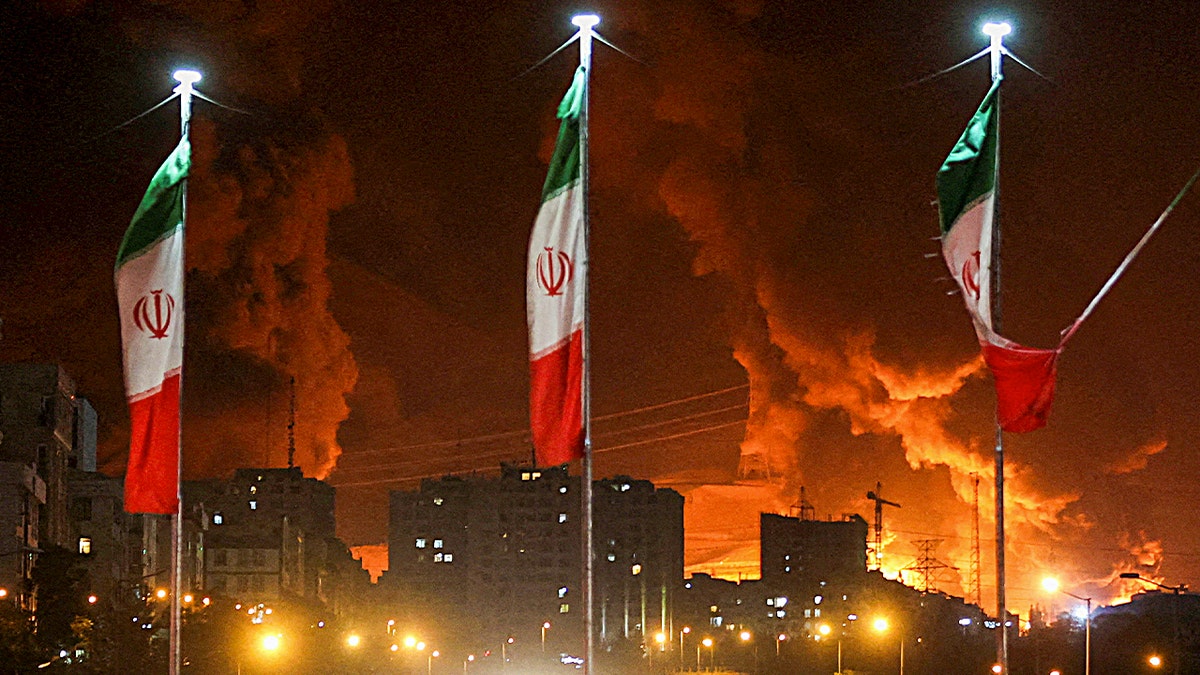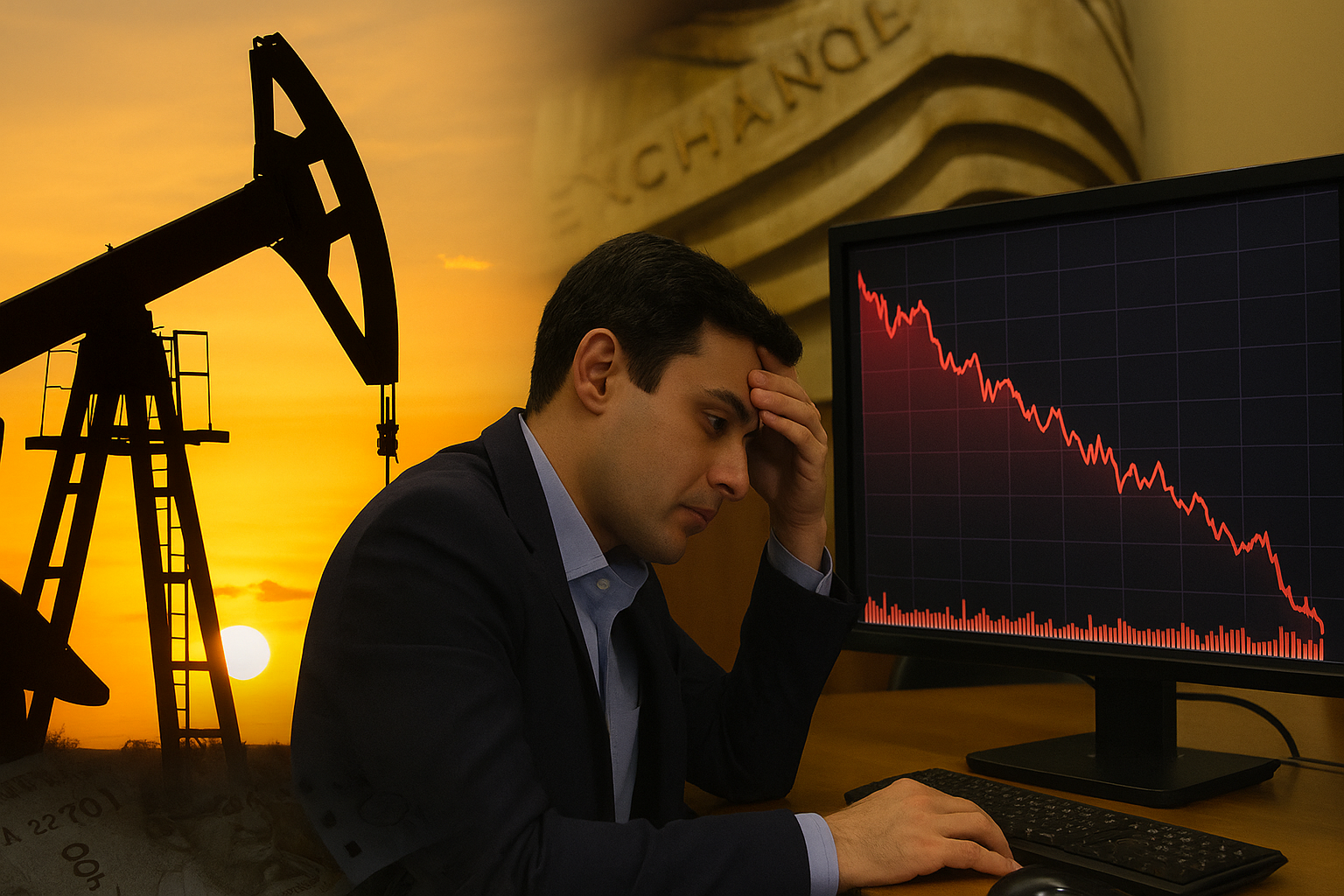
The immediate reaction across Asian trading floors is not a mystery. It is a calculation of survival. As the United States moves to enforce a naval blockade on Iranian oil ports, the sudden removal of millions of barrels of daily supply has sent Brent crude screaming toward $100. This is not a drill for the energy-dependent economies of the East. Japan, South Korea, and China are now staring down a supply chain nightmare that threatens to derail their fragile post-pandemic recoveries. While the headlines focus on the geopolitical chest-thumping in the Persian Gulf, the real story is the math.
Energy costs are the foundation of everything produced in Asia. When those costs jump 10% in a single trading session, the margins of manufacturers in Shenzhen and Seoul vanish. This is why we see a fractured opening in regional markets. It is the sound of capital moving out of growth-dependent tech stocks and into defensive commodities.
The Crude Reality of Energy Insecurity
Most analysts are looking at this through the lens of a simple supply-demand curve. That is a mistake. This blockade represents a fundamental shift in how global trade is protected and policed. For decades, the flow of oil through the Strait of Hormuz was considered a constant, a given. Now, that certainty is dead.
Asian nations are the world’s largest net importers of oil. They are the most vulnerable to any disruption in the Middle East. When the U.S. decides to choke off Iranian exports, it isn't just punishing Tehran. It is taxing the Chinese factory worker and the Japanese logistics firm. We are seeing a massive "inflation tax" being applied to the entire Asian continent in real-time.
China’s Strategic Dilemma
Beijing is in a corner. China is the primary buyer of Iranian crude, often using "teapot" refineries and dark-fleet tankers to circumvent previous sanctions. A physical blockade changes the game. It forces China to decide between backing down and losing a cheap energy source or escalating its own naval presence to protect its interests.
The markets are pricing in the risk of a miscalculation. If a Chinese-flagged tanker is boarded or turned back by the U.S. Navy, the regional trade war becomes a hot conflict. Investors aren't just selling stocks because oil is expensive; they are selling because the risk of a Great Power confrontation has spiked to levels not seen in a generation.
Inflation is No Longer Transitory or Contained
Central banks across Asia were already struggling to keep a lid on rising prices. This oil surge is the hammer that breaks the glass. Unlike food prices, which can be seasonal, or electronics prices, which are driven by consumer demand, energy prices are a "push" factor. They push the cost of every single good higher.
The Yen and the Won Under Pressure
The currency markets are telling the most honest version of this story. The Japanese Yen and the Korean Won are sliding. Both countries are massive energy importers that must pay for their oil in U.S. dollars. As the price of a barrel rises, these countries must sell more of their local currency to buy the same amount of fuel.
This creates a vicious cycle. A weaker currency makes the imported oil even more expensive in local terms. It is a double blow. For the Bank of Japan, which has tried to maintain a low-interest-rate environment to stimulate growth, this oil spike is a disaster. They may be forced to hike rates to protect the Yen, even if it kills their domestic economy.
The Illusion of the Mixed Open
You will see financial news outlets calling this a "mixed" market. That is a sanitized term for "confusion." Tech stocks and exporters are being hammered, while energy giants and commodity traders are seeing record gains. This isn't a balanced market; it’s a polarized one.
When the market is split like this, liquidity tends to dry up. Institutional investors don't like uncertainty, and a blockade is the definition of a "black swan" event. They are moving to cash or gold. The Nikkei and the Hang Seng are showing green in some sectors only because those sectors are betting on the misery of everyone else.
Shipping and Logistics in the Crosshairs
It is not just the oil itself. It is the cost of moving anything. Insurance premiums for tankers in the region are already tripling. These costs are passed down the line until they hit the consumer. If you are wondering why your shipping costs for a container from Shanghai to Los Angeles just went up, look at the Persian Gulf.
The logistics of the blockade are complex. A blockade requires a massive naval footprint. It disrupts not just Iranian tankers, but all traffic in one of the world’s busiest shipping lanes. The friction is cumulative. Every hour a ship spends waiting for clearance or rerouting around a restricted zone is money burned.
Why the U.S. Move is Different This Time
In the past, sanctions were a paper war. You hit a bank account, you blacklist a shipping firm, and you wait for the slow grind of bureaucracy to work. A blockade is a physical act of force. It is a declaration that the era of "rules-based trade" is being replaced by "might-makes-right" economics.
This shift is terrifying for Asian markets because Asia has been the biggest beneficiary of globalized, peaceful trade. The region’s wealth is built on the assumption that the seas will stay open. If the U.S. can shut down a port in Iran, what stops them from doing it elsewhere? This is the sovereign risk that is currently being baked into stock prices from Sydney to Singapore.
The Failure of Diversification
For years, Asian leaders talked about diversifying their energy sources. They moved toward renewables, nuclear, and natural gas. But you cannot run a modern industrial economy on promises. When the lights need to stay on and the trucks need to move, oil is still king.
The current crisis exposes the shallowness of that diversification. China’s massive investment in solar hasn't stopped its hunger for crude. Japan’s return to nuclear after Fukushima has been too slow to provide a buffer. They are all still tethered to the Middle East. And right now, that tether is being pulled tight.
The Ghost of the 1970s
Veteran traders are looking at the charts and seeing the 1973 oil crisis. The parallels are uncomfortable. You have a geopolitical conflict, a sudden supply shock, and a world economy that is already bloated with debt. In the 70s, the result was stagflation—a period of no growth and high inflation that lasted a decade.
Asia is particularly ill-equipped for stagflation. Its social contracts are built on the promise of constant, rapid growth. If that growth stops while the cost of living continues to climb, the risk isn't just financial. It is political. We are already seeing the first signs of social unrest in smaller, more vulnerable Asian nations where fuel subsidies are being cut because the state can no longer afford them.
Corporate Earnings are the Next Casualty
The next round of corporate earnings reports will be a bloodbath. Companies that signed contracts six months ago based on $70 oil are now trying to fulfill those contracts with $100 oil. They will eat the loss.
Investors are front-running this reality. They aren't waiting for the quarterly reports. They are selling now. The sell-off in the semiconductor space is particularly telling. Chips require massive amounts of energy to produce. The high-precision environments of a "fab" are energy hogs. If energy costs stay at these levels, the "AI boom" will be choked by the cost of the electricity required to build the hardware.
The Strategy for the New Reality
There is no "buying the dip" here. The dip is a hole that might not have a bottom until the geopolitical situation stabilizes, and there is no sign of that happening. The blockade is an escalatory move, not a final one.
The smart money is moving into "hard" assets and companies with their own captive energy supplies. It is a retreat to the basics. Steel, grain, and copper are the only things that hold value when the paper currency is being devalued by energy costs.
The "mixed" open is a mask. Underneath, the Asian markets are undergoing a painful revaluation of what it costs to exist in a world where the oceans are no longer a neutral highway. The cost of doing business just went up, and it’s never coming back down to where it was.
Every barrel of oil that doesn't leave an Iranian port is a weight around the neck of the global economy. Asia, being at the end of the supply chain, feels that weight first and hardest. The markets aren't just reacting to a news cycle. They are reacting to the end of an era of cheap, easy energy. The era of the "Crude Tax" has begun. Prepare for the grind. Move your capital into things you can touch, or watch it evaporate in the heat of a burning Persian Gulf. The market doesn't care about your portfolio; it only cares about the next shipment of oil. And that shipment is currently blocked.
Industrialists are now forced to factor "war risk" into their daily operations. This is a variable that hasn't been on the balance sheet for most CEOs in their entire careers. The learning curve will be steep, and the cost of failure will be bankruptcy.
Watch the freight rates. Watch the insurance premiums. Forget the "expert" commentary about "market resilience." Resilience is for people who don't have to pay the bills. For the rest of the world, this is a direct hit to the wallet. The blockade is a physical reality that no amount of financial engineering can fix. If the oil doesn't flow, the money doesn't grow. It is that simple. It is that brutal. The party is over, and the lights are flickering. This is the new normal. Accept it or get out of the way.