Drones have changed the face of modern warfare, and it's not just about the tech—it's about the money. Specifically, crypto. While the world watches the skies for Shahed-136s and "Scalpel" kamikaze drones, a massive financial operation is happening on the blockchain to keep those machines flying. A new report from Chainalysis, released March 30, 2026, confirms that organizations linked to Russia and Iran are leaning heavily on digital assets to bypass sanctions and stock up on military hardware.
This isn't just about a few rogue actors. We're talking about a systematic shift in how sanctioned states move money. Since 2022, pro-Russian volunteer groups and paramilitary organizations have raised more than $8.3 million in cryptocurrency to fund drone procurement. The strategy is simple: use the borderless nature of crypto to buy low-cost, commercially available components from global e-commerce platforms that would otherwise block their credit cards.
The Scalpel Strategy and the Move to Stablecoins
If you want to understand how deep this goes, look at the "Scalpel" drone. Produced by the sanctioned Russian developer KB Vostok, these units cost roughly $2,200 a piece. On-chain data shows a trail of transactions that match this exact price point—or multiples of it—repeatedly. It’s a digital paper trail of a shopping list.
One of the most telling shifts in the last year is the move away from Bitcoin. In the early days of the conflict, Bitcoin was the go-to. Now? It’s all about stablecoins like USDT. Why? Volatility is the enemy of procurement. If you’re trying to buy 500 sets of rotors from an overseas supplier, you don't want your budget to drop 10% because of a sudden market crash. Stablecoins provide the predictability of the dollar with the "uncensorable" nature of the blockchain.
Iran’s Digital Arms Catalog
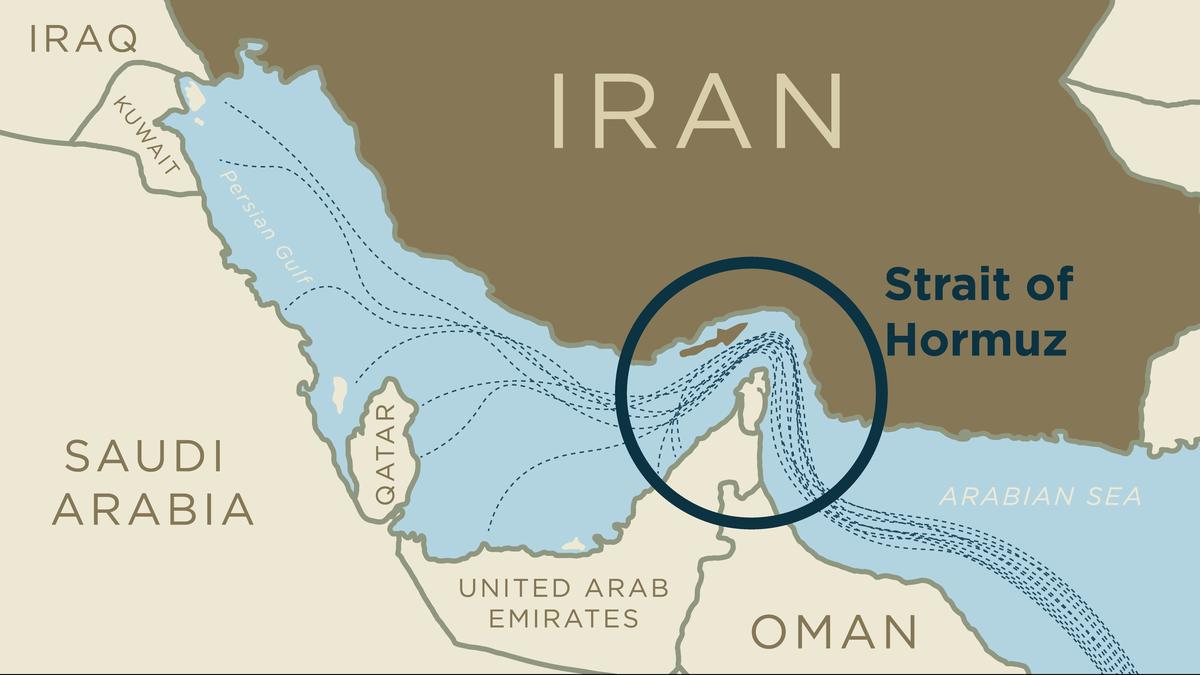
Iran isn't just a supplier; they're innovators in the "crypto-for-arms" space. The Iran Ministry of Defense Export Center, known as Mindex, hasn't been shy about it. They’ve actually promoted the acceptance of crypto for advanced weapons, including the infamous Shahed drones and ballistic missiles.
It’s a bold move that basically says, "We don't need your banking system."
The data backs this up. Chainalysis identified a specific wallet used to buy drone components that has ties to the Islamic Revolutionary Guard Corps (IRGC) and the Iranian exchange Nobitex. During the 12-day conflict between Iran and Israel in June 2025, the inflows to these drone-linked wallets didn't just trickle in—they surged. When the pressure is on, the crypto pipes start flowing faster.
The Moscow Tower Connection
While major global exchanges like Coinbase or Binance have tightened their compliance, a whole "gray market" of exchanges has popped up to fill the void. Many of these operate out of the Federation Tower in Moscow.
Exchanges like ABCeX and Bitpapa are the lifeblood of this system. Bitpapa, which was sanctioned by the U.S. Treasury in 2024, is still processing massive volumes. Roughly 5% of its outgoing crypto goes directly to Garantex, another sanctioned exchange. They use a tactic called "address rotation"—constantly changing the digital "mailbox" where money is sent—to keep investigators guessing.
It's a high-stakes game of cat and mouse. For example, a service called Aifory Pro markets itself as a "Foreign Economic Activity Payment Agent." That’s fancy talk for "we help you buy stuff from China and the West using crypto so you don't get caught." They even offer virtual Apple Pay cards funded by USDT.
The Infrastructure of Evasion
Don't think of this as a few guys in a basement. It's a sophisticated ecosystem.
- Dual-Use Loopholes: Most drone parts are "dual-use," meaning they can be used for a hobbyist quadcopter or a front-line weapon. This makes it incredibly hard for e-commerce sites to flag the purchases.
- The UAE-Turkey-Russia Triangle: Money often flows from Russia to exchanges in Dubai or Turkey before being converted to pay for parts.
- The Ruble Stablecoin: We’re even seeing digital assets pegged 1:1 with the Russian ruble. This creates a parallel financial system that exists entirely outside the reach of Western regulators.
What This Means for Global Security
The reality is that sanctions are losing their "teeth" because of these digital backdoors. If a country can raise $8 million in a few years just through volunteer donations—never mind state-level funding—the old-school method of freezing bank accounts is becoming obsolete.
The blockchain is a double-edged sword, though. Every transaction is public. Every move is recorded. While Russia and Iran think they’re being slick, they’re leaving a permanent record that firms like Chainalysis and Elliptic are using to map out their entire procurement network.
How to Track the Flow
If you're looking to keep an eye on this space, here are the real-world markers to watch:
- Monitor "Federation Tower" Exchanges: Any platform operating out of Moscow’s financial district is likely a hub for these activities.
- Follow the Stablecoin Volume: Spikes in USDT flows to specific Iranian and Russian-linked addresses often precede military escalations.
- Watch the E-commerce Links: Pay attention to "Payment Agents" who bridge the gap between crypto wallets and traditional online stores.
The drone war isn't just being fought in the trenches of Ukraine or the skies of the Middle East. It’s being fought on the ledger. As long as the blockchain stays open, the money will keep moving, and the drones will keep flying. Stop looking for the "game-changer" and start looking at the math.