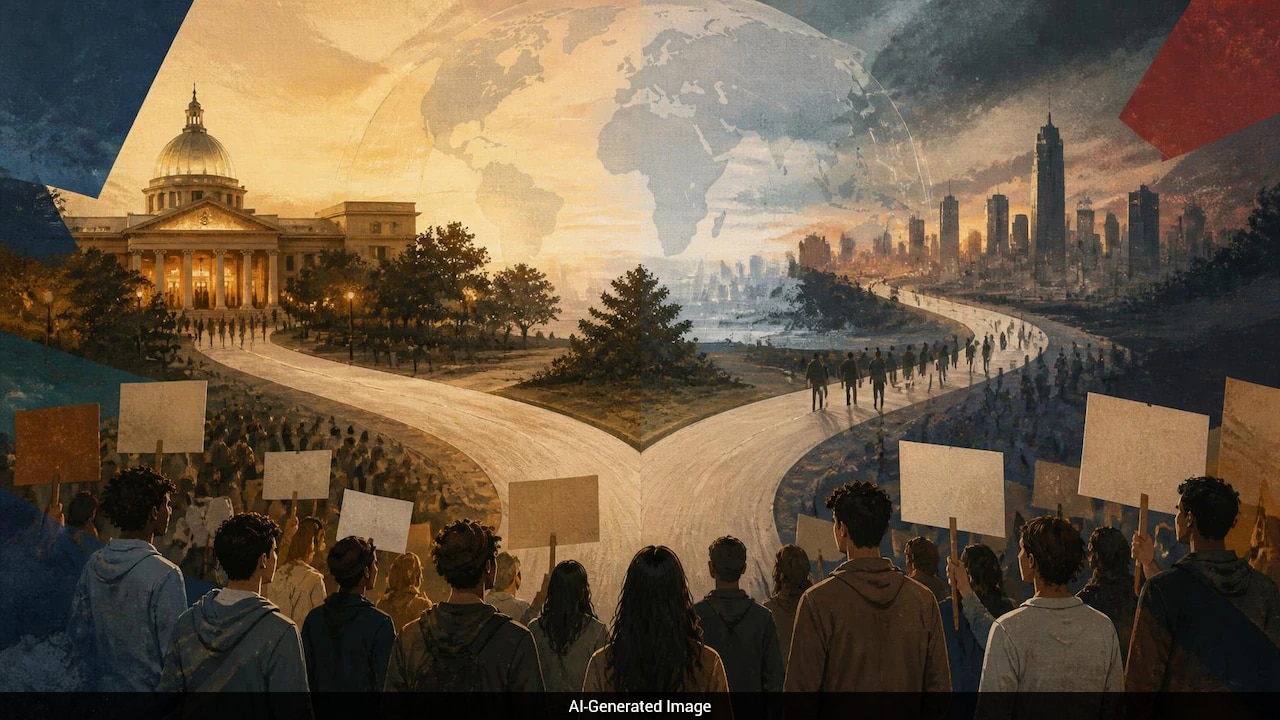
Quiet streets are not peace. They are just a pause button.
Every time weekend unrest flares up in France and the state reaches for a curfew, the conventional press rushes to declare victory. Quiet avenues on a Sunday morning get framed as proof that a heavy-handed crackdown worked. That is lazy analysis built on a surface-level reading of public order. In similar updates, we also covered: Inside the Dutch Surrogacy Clash Testing Rob Jetten.
Curfews do not cure urban disorder. They compress pressure, clear camera frames, and push friction into quieter hours or less visible neighborhoods. Mistaking a temporary drop in street clashes for lasting stability is how policymakers keep repeating the same costly cycle.
The Lazy Consensus Around Weekend Curfews
The standard argument is tidy and comforting. Restrict movement at night. Reduce crowds in flashpoint districts. Give police clearer boundaries to enforce. Fewer arrests or quieter streets the next day look like a win on a headline. NBC News has analyzed this fascinating subject in great detail.
That consensus confuses deterrence with resolution. Deterrence changes the immediate calculation of being outside at a given hour. Resolution addresses why large groups of people are willing to confront state authority in the first place.
When a curfew goes into effect in Paris or its surrounding suburbs, two things happen right away. First, ordinary residents who have nothing to do with unrest stay home to avoid fines or confrontations. Second, organized or opportunistic agitators adapt. They shift schedules, move to side streets, or wait until the restriction expires.
Declaring a crackdown successful because one night felt calmer ignores the displacement effect. Order on paper is not the same as trust in the street.
What Quiet Streets Actually Measure
Security analysts and urban sociologists—figures like Saskia Sassen on global cities and Loïc Wacquant on urban marginality—have spent decades showing that street unrest in major metropolises is rarely spontaneous chaos alone. It tracks with structural friction: housing strain, policing legitimacy, economic exclusion, and generational alienation.
A curfew cannot touch any of those variables in a weekend. What it can do is alter short-term visibility.
- Visibility drops before root causes move. Fewer people on main boulevards means fewer viral videos and fewer high-profile clashes.
- Enforcement costs spike. Pulling officers into perimeter control and ID checks drains resources from investigative work and targeted de-escalation.
- Friction gets deferred. Unresolved grievances do not evaporate at midnight; they wait for the next flashpoint.
Imagine a scenario where a city officials impose a strict weekend curfew after three nights of unrest. By Monday, street fires are down and officials point to the quiet hours as proof of control. Yet the underlying disputes over policing practices, youth unemployment, and local services remain untouched. Two weeks later, a single spark brings the crowd right back out. The curfew didn't solve the problem. It just bought a quiet weekend on credit.
Asking the Wrong Questions About Urban Unrest
When headlines ask whether curfews bring calm to Paris, they are starting from a flawed premise. Calm is not a binary state switched on by an administrative order. A city can look still while remaining deeply volatile.
People searching for answers around these crackdowns usually ask a predictable set of questions. Each one deserves a straighter look than standard talking points offer.
Do curfews actually stop weekend riots?
They can reduce immediate street activity during restricted hours, especially when paired with heavy deployment. They do not reliably stop riots over the medium term. Once a curfew lifts, the conditions that fueled the anger are still there, often sharpened by resentment over collective punishment.
Why do authorities keep relying on them if the results are mixed?
Because curfews are visible, fast to announce, and politically legible. A government facing criticism wants to be seen acting decisively. Broad restrictions signal toughness immediately, even when long-term fixes require years of administrative reform, court backlogs, and local investment that do not fit into a news cycle.
Is a heavy crackdown better than doing nothing?
That is a false choice. Doing nothing lets escalation spiral. Relying on blunt curfews as a primary strategy treats symptoms while letting infection spread. Effective public safety combines targeted law enforcement against violence and property destruction with rapid de-escalation, clear communication, and accountability when force crosses the line.
Battle Scars From Chasing Quick Fixes
I have watched institutions—from municipal agencies to large organizations managing high-stakes crises—burn massive credibility and budgets trying to buy calm with blunt instruments. The pattern is almost always the same. Leadership wants an immediate metric that looks like control. They impose a sweeping rule, get a brief lull, and mistake compliance for buy-in.
When pressure builds again, they double down on the same measure instead of diagnosing why trust broke down in the first place. Each cycle costs more legitimacy than the last.
Where This Contrarian View Can Go Wrong
Pushing back against curfews does not mean pretending crowds never need to be dispersed or that property damage is harmless. A purely permissive approach during acute disorder puts bystanders, shopkeepers, and first responders in real danger.
There are also real trade-offs to arguing against broad curfews. Targeted policing and community-level intervention take longer to show results. They are harder to explain in a thirty-second broadcast. During a fast-moving crisis, officials sometimes use temporary restrictions to protect vulnerable areas while reinforcing emergency services. Pretending those operational pressures do not exist would be dishonest.
The mistake is treating a temporary containment measure as a strategy.
What Actually Works When Tension Rises
If the goal is real stability rather than staged quiet, authorities and civic leaders have to change how they sequence action.
- Separate violent actors from the broader crowd early. Blanket restrictions punish everyone in a zone, turning neutral or frustrated residents against security forces. Precision policing targets actual offenses without locking down whole neighborhoods.
- Pair immediate order with fast, credible explanations. Rumors and opacity inflame street anger faster than almost anything else. Clear, timely facts reduce panic and strip agitators of oxygen.
- Measure outcomes after the cameras leave. Judge any security measure by whether tensions fall two months later, not whether the next morning's photos look peaceful.
- Fix local friction points before the next spark. Transit bottlenecks, strained youth spaces, and antagonistic street checks act like dry tinder. Clearing tinder is unglamorous work, which is why it gets skipped until things burn.
Curfews make the streets quiet for a few hours. Real peace takes something much harder to decree: a city where people have a stake in keeping it.