New Zealand comedian and television host Dai Henwood has died at the age of 48 following a prolonged, public battle with stage four bowel cancer. Diagnosed in 2020 after experiencing persistent symptoms, Henwood spent his final years balancing intensive chemotherapy with high-profile broadcast work on 7 Days and Lego Masters NZ, turning his terminal prognosis into a national campaign for early cancer screening and open conversations around mortality.
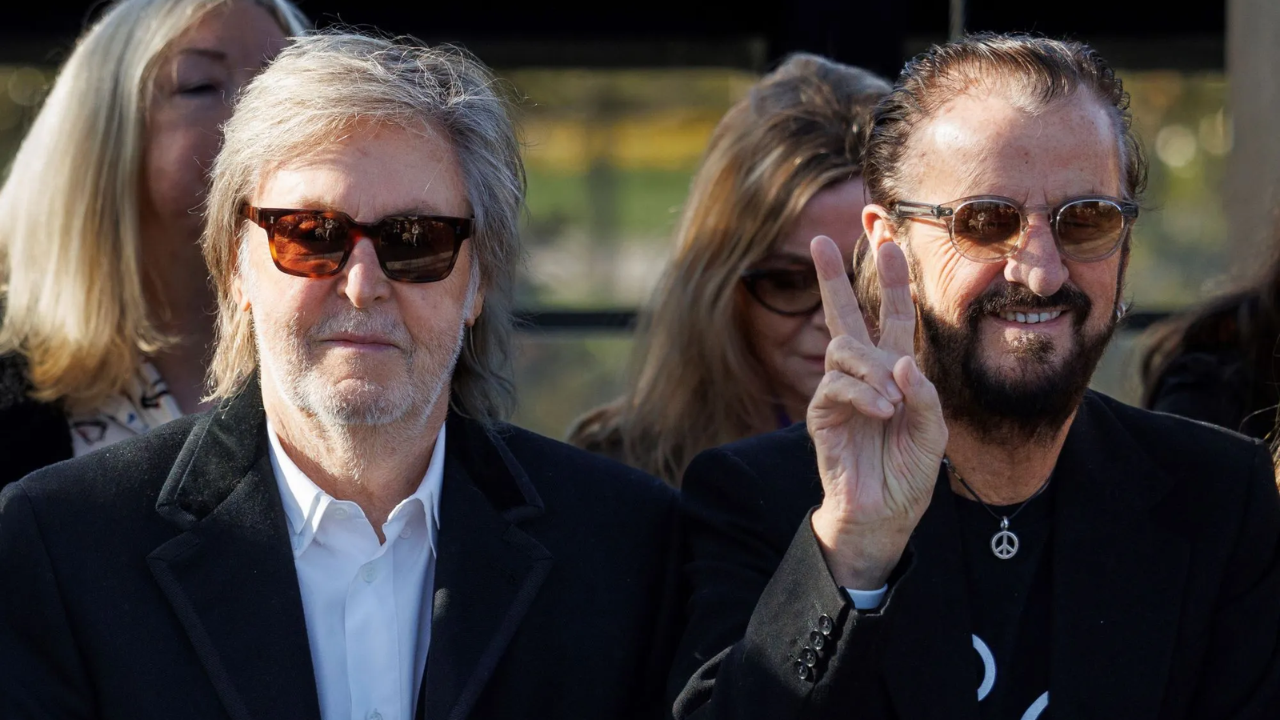
His death strips Aotearoa’s comedy circuit of its most reliable anchor. While standard obituaries frame him simply as a beloved entertainer, the reality of his career runs much deeper into the mechanics of New Zealand television, live stand-up infrastructure, and public health advocacy. Also making headlines recently: Stop Calling McCartney and Starr a Beatles Reunion Because You Are Falling for the Oldest Illusion in Touring.
The Architecture of a Relentless Work Ethic
Comedy in a market of five million people does not sustain itself on occasional specials. It requires constant, grinding output across radio, live clubs, panel shows, and corporate gigs. Henwood understood that economic reality earlier than most of his peers.
Born in Wellington in 1978, the son of actors Ray and Carolyn Henwood, he grew up backstage at Circa Theatre. He knew early on that performance was a trade, not a lottery ticket. After studying theatre and film at Victoria University of Wellington, he jumped straight into the stand-up circuit in the late 1990s. By 1999, he had won the Best New Face award at the TV2 International Laugh Festival. Three years later, he took home the Billy T Award, the premier benchmark for emerging New Zealand comedic talent. In 2007, he secured the Fred Award for best show at the New Zealand International Comedy Festival, cementing his place at the top of the local hierarchy. More information on this are covered by Variety.
Most comedians use domestic awards as a springboard to relocate to Melbourne, London, or Los Angeles. Henwood stayed.
That decision altered the trajectory of local television. By choosing to build an empire in Auckland rather than chasing bit parts overseas, he became the connective tissue for an entire generation of Kiwi performers. On 7 Days, which premiered on Three in 2009, Henwood served as a team captain for over a decade. Panel comedy looks effortless on screen, yet it demands rigid structural discipline. Someone has to set up the premise, absorb the flat jokes, protect the guests, and hand the punchline to the newest voice at the desk. Henwood played that defensive role every single week. He rarely hogged the spotlight, preferring instead to engineer the room so younger comics could land their best material on national broadcast.
What Standard Obituaries Miss About His Public Diagnosis
When Henwood went public with his stage four bowel cancer diagnosis in early 2023—nearly three years after quietly undergoing treatment—the media coverage focused heavily on his optimism. That framing misses the deliberate strategy behind his transparency.
Bowel cancer kills roughly 1,200 New Zealanders every year, giving the country one of the highest rates of the disease in the developed world. Historically, men in New Zealand have avoided preventative healthcare, ignoring gastrointestinal symptoms until tumors reach advanced, inoperable stages. Henwood recognized that his familiarity in living rooms across the country carried clinical weight.
He did not sanitize the reality of oncology. In interviews with The Project, Sunday, and throughout his memoir The Life of Dai, he laid out the exact mechanics of his treatment. He spoke plainly about the port-a-cath implanted in his chest, the neuropathy in his hands and feet caused by oxaliplatin chemotherapy, the fatigue that left him unable to walk up stairs, and the psychological whiplash of scanning cycles where tumors shrank only to return months later.
Health agencies noticed an immediate behavioral shift. Following his televised appearances discussing rectal bleeding and changes in bowel habits—symptoms he had initially brushed off as stress and a hectic touring schedule—clinics across New Zealand reported a measurable spike in men requesting fecal occult blood tests and colonoscopies. He weaponized his own vulnerability to dismantle a lethal cultural taboo.
Performing Through Terminal Illness
Working while undergoing palliative chemotherapy is a grueling logistical feat that few outside television production ever witness. During the filming of Lego Masters NZ and later seasons of 7 Days, production schedules had to bend around his infusion cycles.
Henwood operated on a strict energy budget. He would rest in darkened dressing rooms right up until the floor manager counted down from five, walk onto the set with full physical command, deliver two hours of rapid-fire banter, and immediately return home to recover for days. Colleagues noted that he refused pity on set. If a joke bombed, he wanted it treated like any other bad line; if a segment dragged, he pushed the pacing forward just as he had in 2010.
This refusal to retreat from public life challenged how broadcast networks handle sick talent. Typically, television executives quietly sideline presenters facing severe illness, worried that visible physical decline will alienate audiences or complicate insurance underwriting. Henwood and the producers at MediaWorks and Warner Bros. Discovery took the opposite route. By keeping him on air as his hair thinned and his weight fluctuated, they normalized visible illness on prime-time entertainment television. Viewers watched him age and weaken in real time, transforming a weekly comedy panel show into a shared national vigil.
The Economics of New Zealand Comedy After Henwood
The sudden absence of a foundational figure exposes the fragility of a small entertainment ecosystem. Over the past twenty-five years, New Zealand comedy has transitioned from a niche pub circuit into a major cultural export, producing global figures like Jemaine Clement, Bret McKenzie, Rhys Darby, and Rose Matafeo.
Yet an export industry only survives if the domestic nursery remains healthy. Henwood was the primary caretaker of that nursery. He headlined charity galas, mentored raw open-mic acts at The Classic in Auckland, and consistently advocated for local commissioning quotas so New Zealand networks would fund homegrown comedy rather than importing cheap American and British panel formats.
Without him, that institutional memory takes a severe hit. Broadcasters are currently slashing local production budgets in response to declining linear advertising revenue and fierce competition from international streaming platforms. Losing a host who could reliably pull commercial ratings while simultaneously developing new talent creates a vacuum that networks cannot easily fill with cheaper imports.
The Reality of Living With Stage Four Disease
In late 2024 and throughout 2025, Henwood shifted his public messaging from fighting for a cure to living well within a terminal timeline. In medical oncology, there is a vast, poorly understood gap between being told a disease is incurable and actually dying from it. Patients can live for years in that grey zone, trapped between aggressive life-extending drugs and the toxic side effects those drugs inflict on daily quality of life.
Henwood explored alternative therapies alongside conventional oncology, openly discussing meditation, breathwork, dietary changes, and psychological counseling. Crucially, he never peddled false hope or rejected evidence-based medicine. He framed holistic practices strictly as tools for managing anxiety and physical pain while letting chemotherapy do the heavy lifting against the cancer cells. That distinction matters in an era flooded with online wellness misinformation targeting desperate patients.
He also confronted the financial and domestic realities of leaving behind a young family. Married to Joanna and father to two children, Henwood spoke candidly about writing letters for future milestones he knew he would miss, organizing estate affairs early, and stripping away trivial career anxieties. He stopped caring about ratings, reviews, or industry politics, focusing entirely on presence.
Tributes from across the entertainment spectrum—from Prime Minister Christopher Luxon to fellow comedians Jeremy Corbett, Paul Ego, and Urzila Carlson—have rightly highlighted his warmth, lack of ego, and relentless positivity. Those traits were genuine, forged over two decades of hard graft in a tough, unforgiving industry.
When a performer spends a quarter-century making an entire country laugh, the instinct is to remember only the punchlines. The harder, more useful truth of Dai Henwood’s final years is that he showed millions of people how to look directly at death without flinching, forcing a reluctant nation to get checked before it is too late.