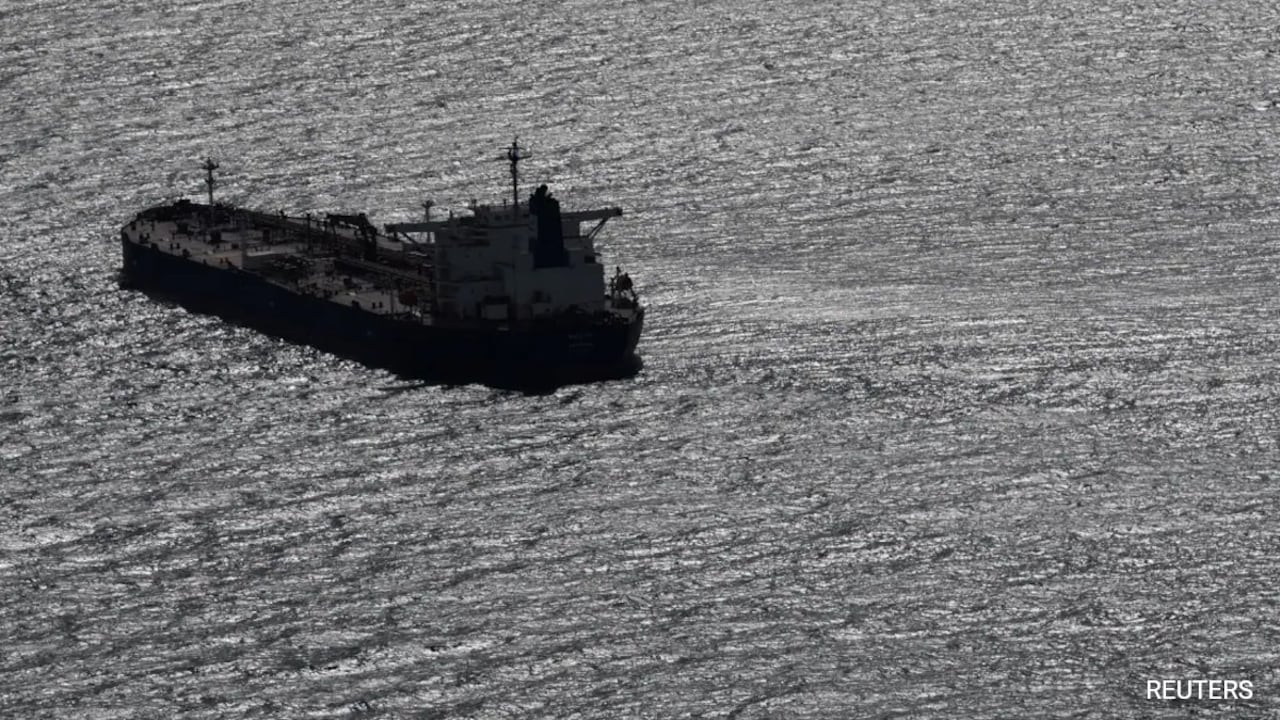
Ghost ships aren't just spooky maritime myths from old books. They're real, they're out there right now, and they pose a massive threat to our oceans that goes way beyond simple collision risks. When an abandoned vessel drifts unmanned across international waters, it becomes a ticking ecological and financial time bomb.
Most news coverage focuses on the eerie mystery of an empty deck. That completely misses the point. The real story isn't why the crew left, but what they left behind. Abandoned vessels, often called ghost ships, frequently carry thousands of tons of toxic fuel, unexploded ordnance, or hazardous cargo that slowly leaks into fragile marine ecosystems.
Why Abandoned Vessels Are Flooding International Waters
International maritime law is surprisingly messy when it comes to rogue ships. Under the United Nations Convention on the Law of the Sea (UNCLOS), a ship technically remains the responsibility of its flag state. But many operators register their vessels in countries with lax regulations, known as flags of convenience. When a shipping company goes bankrupt or faces massive fines, it's often cheaper for them to simply walk away. They turn off the Automatic Identification System (AIS) transponder and let the ship drift.
This creates a legal vacuum. If a ghost ship is floating in international waters, no single country wants to foot the multi-million dollar bill to salvage it. This happened clearly with the MV Alta, a cargo ship abandoned in 2018. It drifted for over a year across the Atlantic Ocean before finally crashing into the Irish coast in 2020. Local authorities were left scrambling to deal with the wreckage and the remaining oil, showing just how vulnerable coastal nations are to these wandering hazards.
The Toxic Pollution Ticking Under the Surface
Everyone worries about a ghost ship smashing into a cruise liner or an oil rig. Yes, that's a valid safety concern. But the slow-motion environmental disasters are much worse.
Old vessels hold huge amounts of bunker fuel. This heavy, sludge-like oil is incredibly difficult to clean up if it spills. As a abandoned vessel drifts, saltwater rusts the hull. Waves bash the structure. Eventually, the steel gives way.
- Corrosive leaks: Fuel tanks rupture, dumping oil directly into marine sanctuaries.
- Ghost fishing: Abandoned fishing vessels often have miles of nets trailing behind them. These nets keep catching fish, sharks, and turtles for decades without any human intervention.
- Asbestos and heavy metals: Older ships built before modern regulations are packed with toxic materials that dissolve into the water column as the ship breaks apart.
The threat isn't limited to recent derelicts either. Governments are currently racing against time to deal with "legacy" ghost ships from World War II. For instance, the National Oceanic and Atmospheric Administration (NOAA) tracks dozens of shipwreck hazards off the US coast that still hold millions of gallons of oil, slowly corroding after eighty years underwater.
The High Cost of Tracking Rogue Vessels
How do you find a ship that doesn't want to be found? When a crew abandons a vessel, the power dies. The lights go out. The radar transponder stops broadcasting. The ship essentially vanishes from global tracking networks.
Satellites can pick up some of these vessels, but looking at the entire ocean via high-resolution satellite imagery is like searching for a needle in a haystack. It requires massive computing power and constant monitoring. Maritime authorities rely heavily on reports from passing commercial ships. By the time a ghost ship is spotted near a busy shipping lane, it's often already a critical emergency.
Navies and coast guards face an impossible choice when they find one. Towing a massive, structurally compromised hull back to a port is incredibly dangerous. Port authorities routinely refuse to let these ships enter because they fear the vessel will sink and block their harbor channels.
How International Communities Can Fight Back
We can't keep ignoring this problem until a derelict ship causes a massive disaster near a major city. The solution requires hitting rogue shipowners where it hurts: their wallets.
Improving the enforcement of the Nairobi Wreck Removal Convention is a good start. This treaty makes shipowners financially liable for the locating, marking, and removal of hazardous wrecks. However, it only works if more nations ratify it and aggressively prosecute companies that use shell corporations to hide their ownership.
Insurance requirements must get stricter. Right now, it's too easy for a company to insure a vessel, collect a payout after an accident, and leave the physical ship to rot in the ocean. Forcing global shipping lines to pay into an international salvage fund would ensure that money is always available to capture and dismantle these floating hazards before they hit a reef.
If you live near a coast or work in the maritime industry, stay informed about local salvage laws. Support initiatives that pressure lawmakers to hold international shipping companies accountable. The oceans are interconnected, and a ship abandoned thousands of miles away today could easily become your local beach's worst nightmare tomorrow.