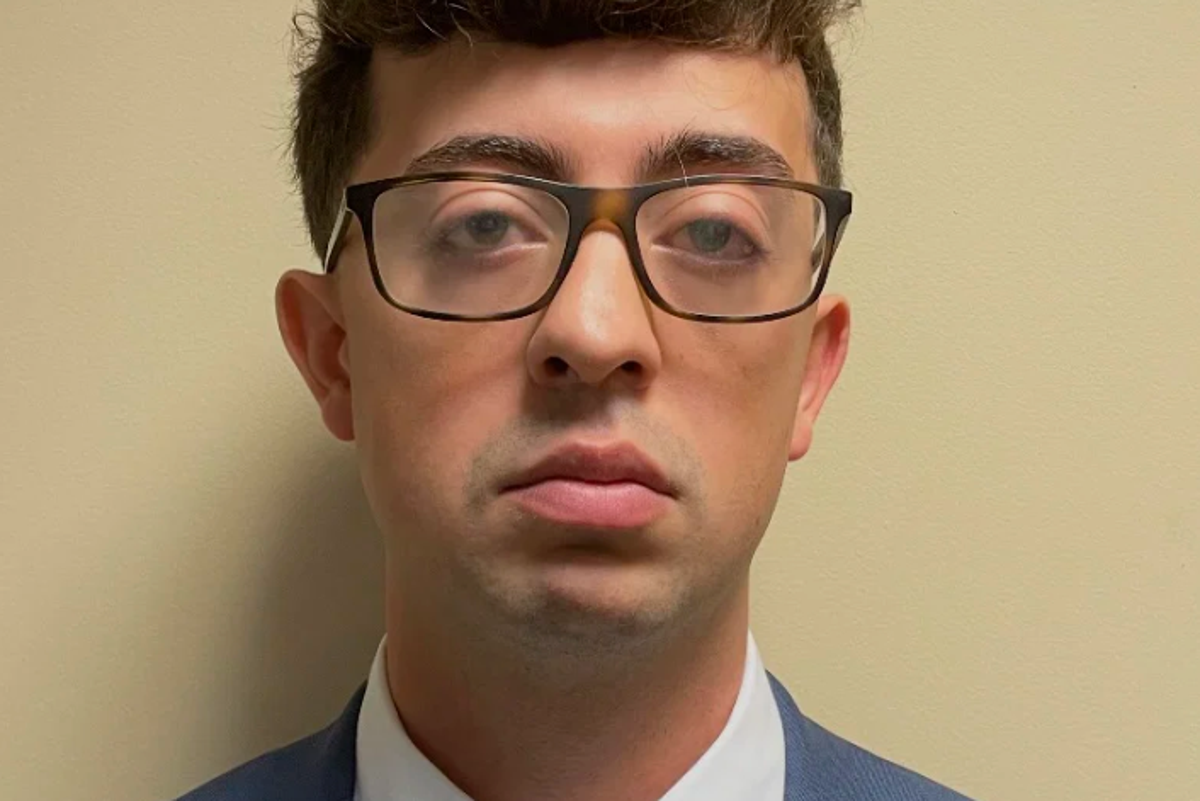
The nickname "Pablo Pledgescobar" sounds like a bad joke you’d hear at a basement party. It’s exactly the kind of arrogant, irony-poisoned moniker that gets you noticed by the police. For Agostino Abbatiello, a former Penn State accounting student with a Dean’s List resume, the name became his undoing.
Authorities claim this wasn't just a handful of students selling a few grams to friends. The Pennsylvania Attorney General’s Office describes a highly organized, multi-state drug-trafficking operation. They call it "Operation Drugs Unlimited." The scope is what makes this case genuinely unsettling. It allegedly turned fraternity initiation rituals into a supply chain for cocaine distribution.
How the Operation Actually Worked
You might wonder how a group of college students managed to move "kilos of cocaine" without raising alarms. According to investigators, the answer lies in a combination of audacity and the exploitation of fraternity culture.
Abbatiello, along with co-defendant Thomas Robinson, allegedly acted as the primary suppliers. They didn't just sell to classmates. They reportedly made regular, long-distance runs to New York and Philadelphia to secure large quantities of the drug. Once back in State College, they used off-campus fraternity houses—specifically Delta Upsilon and Sigma Chi—as their base of operations.
The most disturbing part of the allegations isn't just the distribution. It's the labor. Prosecutors allege that senior members forced fraternity pledges to cut, weigh, and package the cocaine as part of their "initiation." If you were a freshman trying to find your place in the Greek system, you might have found yourself cleaning a bathroom or, as investigators allege, prepping narcotics for campus sales. It’s a toxic mix of hazing and felony-level crime.
The Cost of Hubris
Abbatiello wasn't some shadowy street dealer. He was an accounting major who managed to build a professional-looking blog where he wrote about financial ethics and markets. It’s a strange juxtaposition. One day he’s posting about financial technology, and according to court filings, the next he’s allegedly coordinating $50,000 transactions.
His arrest didn't happen quietly. After reportedly failing to appear for a scheduled court date, he surrendered to authorities on August 18, 2026. He’s now being held without bail, facing a laundry list of felony charges, including possession with intent to deliver, conspiracy, and corrupt organization offenses. If the prosecution’s version of events holds up, he’s looking at a massive stretch in prison.
Beyond the Ringleader
This isn't just about one guy. The net cast by the Attorney General was wide. Fourteen people face charges, ranging from high-level felony counts to misdemeanors for drug possession. The list includes current and former students, and even the father of one defendant, Paul Robinson, who is accused of attempting to hide a safe filled with drugs and cash to obstruct the investigation.
The university’s reaction has been swift and severe. Delta Upsilon was placed on interim suspension, and Sigma Chi, which was already operating independently of the university, has seen its members caught in the fallout.
What This Means for Campus Culture
This case rips the lid off a version of Greek life that most people assume was a relic of the past. The idea that a pledge would be required to handle cocaine as a form of "initiation" is jarring. It highlights a dangerous evolution where the social pressures of fraternity life are weaponized to facilitate criminal enterprise.
If you’re looking at this from the outside, it’s a wake-up call about how quickly a "side hustle" can escalate into a federal case. The students involved didn't just jeopardize their degrees; they dismantled their own futures for a lifestyle that—ironically—was unsustainable.
The legal process is only beginning. Preliminary hearings will determine the strength of the evidence against Abbatiello and the others. For now, the "Pablo Pledgescobar" saga serves as a grim reminder that no amount of accounting prowess can balance the books when you're trafficking controlled substances. The consequences are real, permanent, and usually involve a concrete cell instead of a fraternity house.