The tech industry is currently gripped by a collective panic attack about weather. Turn on any industry news feed and you will see apocalyptic warnings claiming that the vast majority of global datacenters are sitting ducks for the next flood, wildfire, or extreme heatwave. The consensus narrative is simple, alarmist, and completely wrong: operators are supposedly ignoring climate risks, and unless we dump billions into hyper-local climate fortresses, the internet will blink out.
This is a lazy, surface-level diagnosis. In related developments, we also covered: The Economics of Hypersonic Velocity Breakdown of the Eighty-Three Million Dollar Industrial Bottleneck.
The mainstream narrative treats datacenters like fragile, static office buildings. It completely misses the fundamental reality of how modern infrastructure is engineered, distributed, and financed. I have spent years auditing enterprise infrastructure and watching boards throw millions of dollars at redundant, hyper-specialized physical mitigations to protect against 100-year weather events, all while their primary workloads are vulnerable to basic BGP routing blunders or human configuration errors.
We are over-indexing on physical climate doomsday scenarios while ignoring the actual architecture of systemic resilience. The risk isn't that a wildfire melts a facility; the risk is that your infrastructure budget is incinerated by bad risk modeling. Ars Technica has provided coverage on this important issue in extensive detail.
The Myth of the Vulnerable Facility
The core flaw in the "vulnerable datacenter" argument lies in a failure to understand basic site selection and structural engineering. Major operators—from hyperscalers like AWS, Microsoft, and Google to tier-3 and tier-4 colocation providers like Equinix or Digital Realty—do not throw darts at a map.
Before a single shovel hits the dirt, years of hydrological, seismic, and meteorological data are baked into the investment thesis.
- The Flood Fallacy: Activists point to broad regional flood maps and declare that every facility within a specific ZIP code is endangered. In reality, modern facilities are built on raised pads, feature localized retention ponds, and keep critical mechanical, electrical, and plumbing (MEP) infrastructure—especially backup diesel generators and fuel storage—well above the maximum projected flood levels. A surrounding neighborhood can be underwater while the facility remains a dry, operational island.
- The Heat Hysteria: Media outlets scream when ambient temperatures in tech hubs like Phoenix or Frankfurt hit record highs, predicting widespread thermal shutdowns. This ignores how industrial cooling systems actually work. Modern chillers and economizers are rated for extreme tolerances. More importantly, the industry has spent the last decade shifting toward liquid cooling and higher ambient operating temperatures. The American Society of Heating, Refrigerating and Air-Conditioning Engineers (ASHRAE) widened its allowable envelope years ago. Your servers can run perfectly fine in a hot aisle that feels like a sauna to a human.
- The Wildfire Distraction: Smoke, not fire, is the theoretical threat here. Particulate matter can clog filtration systems. But guess what? Industrial datacenters utilize multi-stage MERV and HEPA filtration arrays that can scrub air to cleanroom standards. When outdoor air quality plummets, facilities simply switch to closed-loop internal recirculation. The building seals up, runs internal air through its scrubbers, and waits it out.
Aggregation and Geography Are Not the Same Thing
When a research firm states that "60% of infrastructure is exposed to climate risk," they are deliberately conflating geographic proximity with operational vulnerability. They want you to picture a single point of failure.
They are thinking like real estate agents, not systems architects.
Cloud infrastructure does not live in a single building. It lives in availability zones and regions. If you are running an enterprise workload that goes dark because a single facility in Northern Virginia experiences a localized localized disruption, you did not suffer a climate disaster. You suffered an architectural failure.
True resilience is a software problem, not a concrete problem.
The Cost of Over-Engineering Physical Sites
Let us look at the economic reality. Imagine a scenario where an enterprise decides to harden an on-premises or private colocation footprint against an extreme, edge-case weather event. They demand custom flood walls, triple-redundant industrial cooling capacities, and military-grade air filtration.
The capital expenditure (CapEx) spikes by 35%.
What does that capital buy them? It buys them protection against a disruption that has a 0.5% chance of occurring in any given year. Meanwhile, that same capital is diverted away from software-defined resilience, multi-region failover automation, and modern cybersecurity defenses.
You have built a vault with an impenetrable concrete wall, but the back door is made of plywood because you ran out of budget for software engineering.
The downside of this contrarian view is obvious: it requires accepting a non-zero amount of localized physical risk. A facility might indeed lose utility power during a massive storm. The generators might have to run for four days straight. A localized component might fail. But trying to eliminate that physical risk entirely at the facility level is a financial trap. You must design for the certainty of failure, not the illusion of invulnerability.
Dismantling the Panic
Aren't water shortages going to shut down evaporative cooling datacenters?
The premise of this question is outdated. The industry has been aggressively moving away from open-loop evaporative cooling systems for years, driven both by regulatory pressure and operational costs.
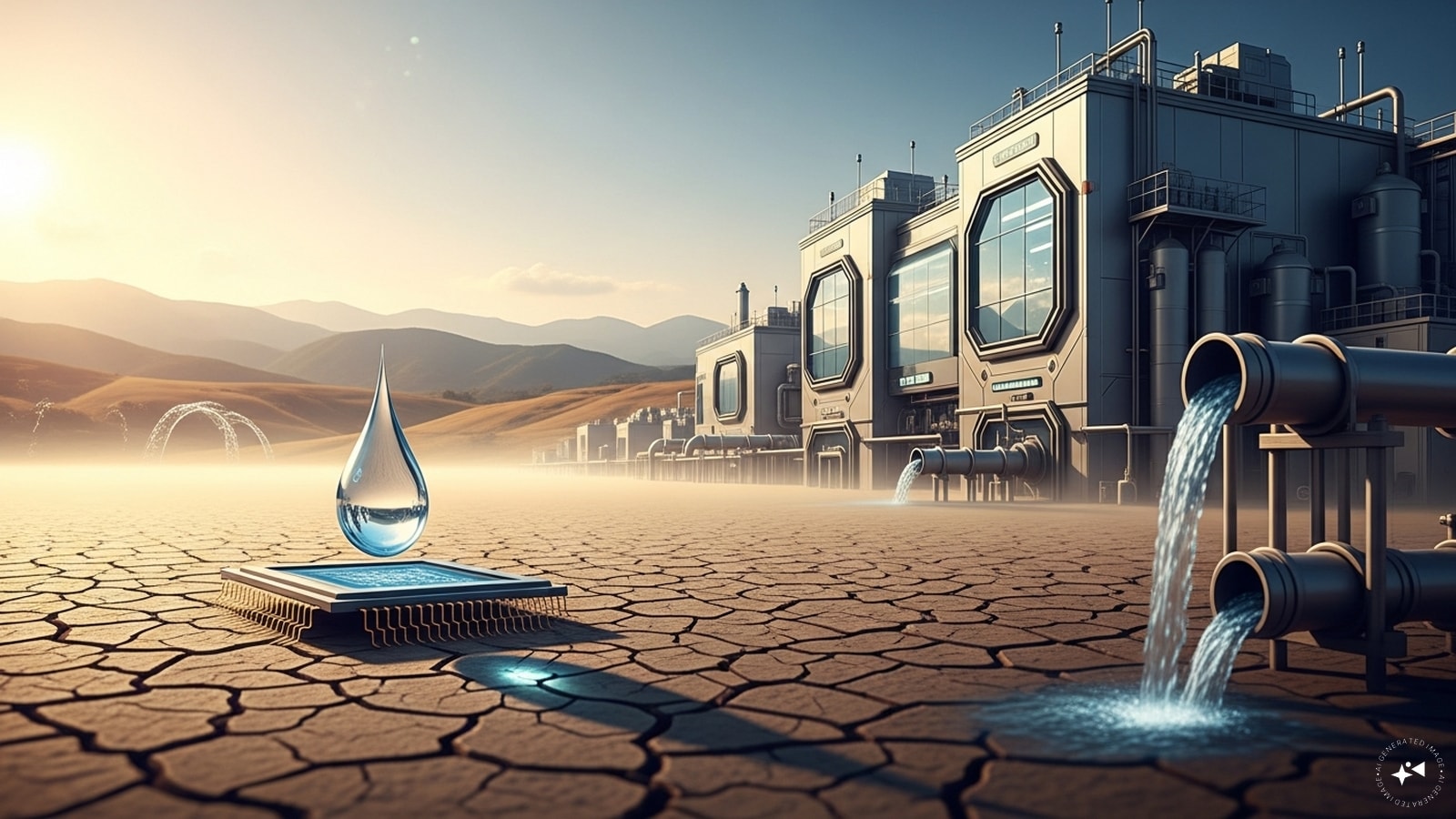
Hyperscalers are transitioning to closed-loop chilled water systems or direct-to-chip liquid cooling that uses minimal water after the initial fill. Furthermore, many facilities now utilize reclaimed or industrial gray water rather than tapping into municipal drinking supplies. The "water wars shutting down the internet" narrative makes for great headlines but poor financial forecasting.
Will rising insurance premiums make traditional datacenter hubs unviable?
Insurance premiums are rising across all commercial real estate, but datacenters are not evaluated like standard warehouses or retail strips. Underwriters look at the specific engineering mitigations in place.
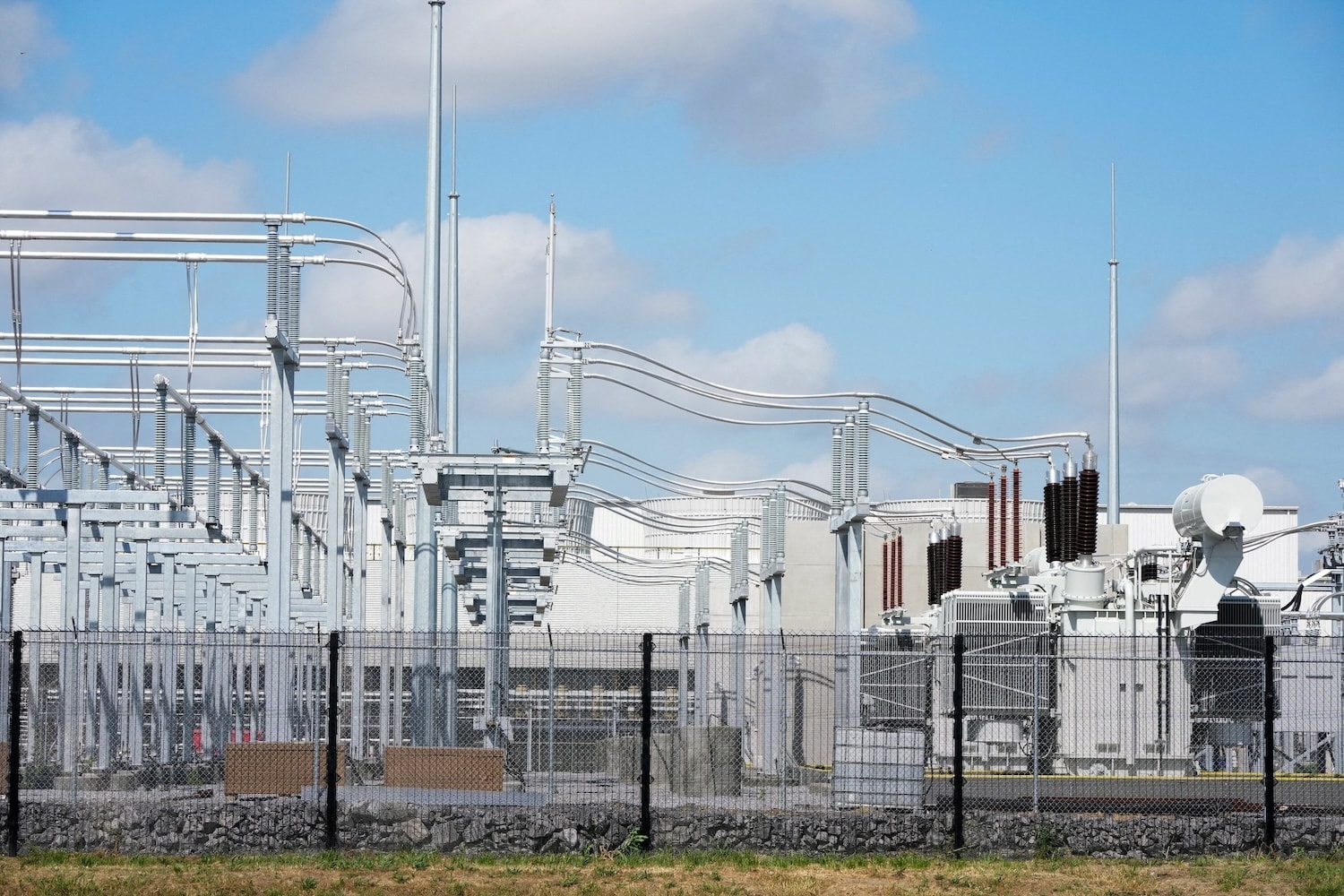
A facility with dual-utility feeds, independent substations, 48 hours of on-site fuel storage, and localized flood defenses commands entirely different risk premiums than the surrounding commercial properties. The capital concentration in these hubs exists because the underlying fiber density and power availability outweigh marginal insurance increases.
How should an infrastructure leader actually mitigate environmental risk?
Stop buying into localized physical doomsday scenarios and focus on network and logical diversity.
- Enforce Hard Multi-Region Architecture: Ensure your workloads can fail over automatically to a geographically distinct region without manual intervention. If Region A goes dark due to a power grid collapse, Region B should ingest the traffic immediately.
- Audit Your Network Transit Paths: Your facility might be an invincible concrete bunker, but if the fiber backhaul lines running along railroad tracks or under local bridges are vulnerable to a washout, you are still offline. Map the physical paths of your telecom carriers.
- Optimize the Power Mix for Reliability, Not Optics: The rush to sign virtual power purchase agreements (VPPAs) for renewable energy has led to a misunderstanding of grid stability. Focus on ensuring your local utility provider has a diverse, stable baseload generation mix, and that your on-site backup generation systems are tested under full load regularly, not just spun up for fifteen minutes once a month.
The obsession with building climate-proof fortresses is a distraction engineered by consulting firms looking to sell expensive risk-assessment frameworks. The internet is built to route around damage. Your infrastructure should be built the same way. Stop looking at the clouds and start looking at your code.